Are you tired of persistent lumbar radiculopathy and sciatic nerve pain disrupting your life?
Lumbar radiculopathy, often colloquially known as sciatica, is a debilitating condition characterized by pain, numbness, tingling, or weakness that radiates from the lower back into the leg. This discomfort arises when a nerve root in the lumbar spine is compressed or irritated, leading to a cascade of symptoms that can severely impact daily activities and overall quality of life. Millions worldwide grapple with this form of nerve root pain, seeking sustainable and effective solutions beyond conventional approaches.
While traditional medical interventions offer various options, a growing number of individuals are exploring the potential of natural treatments. These holistic methods often focus on addressing the root causes of nerve compression, reducing inflammation, and supporting the body's innate healing mechanisms. Understanding these natural pathways can unlock new avenues for relief, helping you regain comfort and mobility without relying solely on pharmaceuticals. Discover how integrative and natural strategies can offer a path to lasting relief from the persistent throbbing and radiating discomfort of sciatica.
Understanding Lumbar Radiculopathy and Sciatic Nerve Pain
Before exploring natural treatments, it's essential to grasp what lumbar radiculopathy entails, its common symptoms, and underlying causes. This understanding empowers you to choose the most effective and targeted approach for relief.
Lumbar radiculopathy is a medical term describing irritation or compression of a nerve root in the lower back. These nerve roots branch out from the spinal cord and travel down into the legs, controlling sensation and muscle function. When one of these roots is affected, the symptoms are felt along the nerve's pathway, often far from the actual compression site in the spine. The most common manifestation of lumbar radiculopathy is sciatica, specifically involving the sciatic nerve, which is the longest and widest nerve in the human body, running from the lower back down to the feet.
The pain associated with sciatica is often described as sharp, shooting, burning, or electric-like. It typically affects one side of the body, radiating from the buttock down the back of the thigh and into the calf or foot. Beyond pain, individuals may experience numbness, tingling ("pins and needles"), or muscle weakness in the affected leg. These symptoms can be exacerbated by certain movements like coughing, sneezing, prolonged sitting, or bending. The severity can range from a dull ache to excruciating pain that makes walking, standing, or even sleeping incredibly difficult.
What causes this nerve root compression? The most frequent culprits include:
- Herniated or Slipped Discs: This is the primary cause, occurring when the soft, jelly-like center of a spinal disc pushes through its outer casing and presses on a nearby nerve root.
- Spinal Stenosis: A narrowing of the spinal canal, often due to age-related degeneration, which can put pressure on the spinal cord and nerve roots.
- Degenerative Disc Disease: The natural wear and tear of spinal discs over time can lead to disc thinning, bulging, and nerve irritation.
- Spondylolisthesis: A condition where one vertebra slips forward over another, potentially pinching nerve roots.
- Piriformis Syndrome: Though not a true radiculopathy, this condition involves the piriformis muscle in the buttock compressing the sciatic nerve.
- Spinal Tumors or Infections: Less common but serious causes that can compress nerve roots.
Understanding these causes is crucial because effective treatment, whether natural or conventional, often targets the underlying issue. While some cases of sciatica resolve on their own with rest and conservative care, persistent or severe symptoms warrant investigation and intervention. Many individuals seek alternatives to medication or surgery, leading them to explore the powerful world of natural treatments.
💡 Key Takeaway
Lumbar radiculopathy, or sciatica, results from compressed nerve roots in the lower back, causing radiating pain, numbness, and weakness in the leg. Identifying the cause, such as a herniated disc or spinal stenosis, is vital for choosing effective natural treatments that focus on reducing inflammation, decompressing nerves, and supporting long-term spinal health for sustainable relief.
Why Choose Natural Treatments for Nerve Root Pain?
For many, the appeal of natural treatments lies in their holistic approach, focusing on the body's innate healing capabilities and minimizing potential side effects. These methods aim to address the root causes rather than just masking symptoms.
Reduces Inflammation Naturally
Many natural remedies, from specific foods to herbal supplements, possess potent anti-inflammatory properties. By calming systemic and localized inflammation around the nerve root, they can directly alleviate pain and pressure without the gastrointestinal side effects often associated with NSAIDs.
Supports Nerve Regeneration & Health
Certain vitamins, minerals, and plant compounds are crucial for nerve health and repair. Natural treatments can provide the necessary building blocks and protective elements to help damaged nerves heal and function optimally, fostering long-term recovery rather than just temporary relief.
Improves Spinal Health & Flexibility
Physical therapies, stretching, and targeted exercises are cornerstones of natural care. These practices strengthen core muscles, improve posture, enhance spinal flexibility, and create more space for nerve roots, directly addressing mechanical causes of compression.
Minimizes Side Effects
Unlike pharmaceutical drugs that often come with a list of potential adverse reactions, well-researched natural treatments generally have a lower risk of side effects. This makes them a more appealing option for long-term management, especially for those sensitive to conventional medications.
Addresses Root Causes Holistically
Natural approaches look beyond immediate pain relief to understand why the pain occurred in the first place. By focusing on diet, lifestyle, physical mechanics, and stress, they offer a comprehensive strategy to not only alleviate current symptoms but also prevent future flare-ups and promote overall well-being.
Enhances Overall Well-being
Many natural treatments, such as mindfulness, yoga, and dietary changes, have broader benefits beyond just nerve pain. They can improve mood, sleep quality, energy levels, and general physical health, contributing to a better quality of life even while managing chronic conditions.
Holistic Strategies for Lumbar Radiculopathy Relief
A multifaceted approach often yields the best results when tackling persistent nerve pain. Here are several natural strategies that can be integrated into a comprehensive treatment plan.
Targeted Exercises & Physical Therapy
Specific stretches and strengthening exercises are paramount. A physical therapist can guide you through movements that decompress the spine, strengthen core muscles (which support the lower back), and improve flexibility. Exercises like McKenzie exercises, gentle hamstring stretches, and nerve glides are often recommended. Regular, gentle movement can prevent stiffness and improve circulation, aiding nerve healing. For those wondering about specific supplements that can aid during physical activity or prolonged sitting, you might find this article useful: Relief for Sitting Sciatica Pain: Top Supplements for 2026.
Anti-Inflammatory Diet
What you eat profoundly impacts inflammation levels in your body. Adopting a diet rich in anti-inflammatory foods can significantly reduce nerve irritation. Focus on fresh fruits, vegetables, lean proteins, and healthy fats (like omega-3s found in fish, flaxseeds, and walnuts). Conversely, limit processed foods, refined sugars, and excessive red meat, which can promote inflammation. To dive deeper into dietary choices, consider reading about Foods That Reduce Sciatic Nerve Inflammation: A Dietary Guide.
Mind-Body Techniques
Chronic pain takes a toll not just physically, but mentally. Techniques such as mindfulness meditation, yoga, tai chi, and deep breathing exercises can help manage pain perception, reduce stress, and improve overall coping mechanisms. These practices foster a sense of calm, which can relax tense muscles and alleviate the pain-tension cycle often seen in nerve conditions.
Herbal & Nutritional Support
Certain natural compounds and supplements are renowned for their nerve-supporting and anti-inflammatory properties. Ingredients like Alpha-Lipoic Acid, Turmeric, Magnesium, and specific B vitamins can play a crucial role in reducing nerve pain, protecting nerve tissue, and promoting repair. These can be powerful additions to a holistic pain management strategy.
Ergonomic Adjustments
Your daily environment can either exacerbate or alleviate nerve pain. Ensuring your workstation, car seat, and sleeping arrangements are ergonomically sound is vital. Use proper lumbar support, maintain good posture, and adjust monitor heights to prevent unnecessary strain on your spine. Regularly changing positions and taking short breaks from sitting can also make a significant difference.
Regular Movement & Stretching
While rest is important during acute flare-ups, prolonged inactivity can worsen sciatica. Gentle, regular movement keeps the spine mobile and muscles from stiffening. Incorporate short walks, gentle stretches, and avoid sitting or standing in one position for too long. Listen to your body and find movements that provide relief rather than increasing pain.
Key Natural Ingredients for Nerve Health
When considering nutritional support for lumbar radiculopathy and sciatic nerve pain, certain natural compounds stand out for their ability to combat inflammation, support nerve function, and promote healing. These ingredients are often found in high-quality natural supplements.
Alpha-Lipoic Acid (ALA)
Role: A potent antioxidant that helps protect nerve cells from damage caused by oxidative stress. ALA is known to improve nerve conduction velocity and reduce neuropathic pain, making it highly beneficial for nerve root irritation. It also supports energy production within nerve cells.
Turmeric (Curcumin)
Role: The active compound, curcumin, is a powerful anti-inflammatory agent. It works by inhibiting various inflammatory pathways in the body, which can significantly reduce the swelling and pain associated with compressed nerve roots. Bioavailability is often enhanced when paired with piperine (black pepper extract).
Methylcobalamin (Vitamin B12)
Role: Essential for nerve health, myelin sheath formation (the protective coating around nerves), and nerve regeneration. A deficiency in B12 can exacerbate nerve pain and damage. Methylcobalamin is the active form, more readily utilized by the body than cyanocobalamin, making it superior for nerve support.
Magnesium
Role: This vital mineral plays a crucial role in muscle relaxation, nerve signal transmission, and reducing muscle spasms that can contribute to nerve compression. Magnesium can also help alleviate neuropathic pain by modulating pain receptors and reducing inflammation.
Boswellia Serrata
Role: An ancient herbal extract known for its strong anti-inflammatory properties. Boswellic acids, its active compounds, help reduce inflammation by inhibiting specific enzymes (5-LOX) involved in the inflammatory cascade, offering relief for painful nerve conditions.
Devil's Claw
Role: Traditionally used for pain and inflammation, Devil's Claw contains compounds called harpagosides, which have analgesic and anti-inflammatory effects. It can be particularly effective for lower back pain and conditions affecting joints and nerves.
White Willow Bark
Role: Contains salicin, a compound similar to aspirin, providing natural pain relief and anti-inflammatory benefits. It has been used for centuries to alleviate various forms of pain, including back pain and headaches, offering a gentler alternative to synthetic pain relievers.
Passionflower Extract
Role: Known for its calming and anxiolytic properties, passionflower can help reduce the anxiety and muscle tension often associated with chronic pain. By promoting relaxation, it can indirectly alleviate nerve compression and improve sleep quality, which is vital for healing.
Corydalis
Role: A traditional Chinese herb containing alkaloids that act as natural pain relievers. It works on different pain pathways, including those involved in neuropathic pain, offering a unique mechanism of action for managing chronic nerve discomfort.
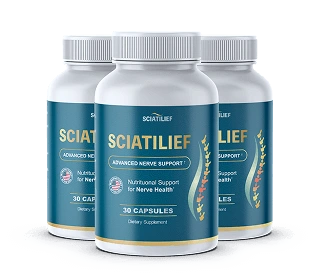
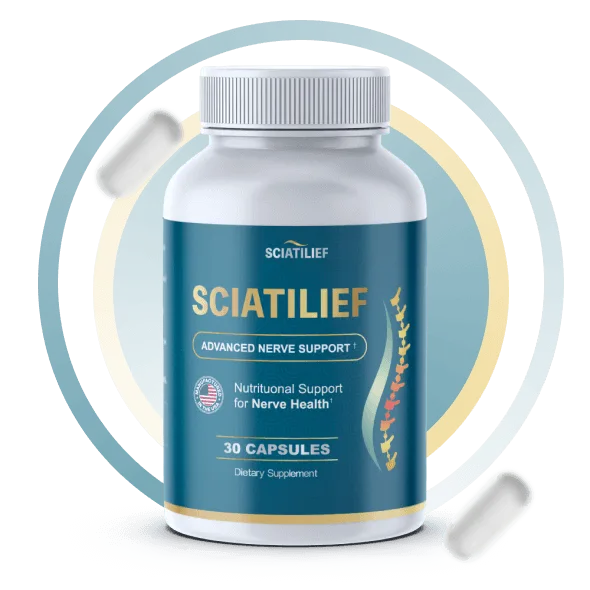
When seeking a supplement, look for one that combines these potent ingredients to offer comprehensive support for nerve health and pain relief. SciatiLief is an example of a formula designed with many of these synergistic components, aiming to provide targeted relief for lumbar radiculopathy and sciatic nerve pain. To see what others are saying about this approach, you might want to read SciatiLief Reviews 2026: Real User Experiences & Results.

Experience the Difference with SciatiLief
SciatiLief is formulated with a powerful blend of natural ingredients specifically chosen to target nerve pain, reduce inflammation, and support overall neurological health. Developed by experts in neurological health, SciatiLief offers a natural, comprehensive solution for individuals seeking relief from the discomfort of lumbar radiculopathy and sciatica.
- Targets nerve root inflammation with potent anti-inflammatory compounds.
- Promotes nerve regeneration and repair through essential B vitamins and antioxidants.
- Supports healthy circulation to affected nerve areas for improved nutrient delivery.
- Enhances pain relief naturally, helping to manage discomfort without harsh side effects.
- Made with clinically studied ingredients, ensuring efficacy and safety.




Integrating Natural Approaches into Your Life
Successfully managing lumbar radiculopathy and sciatic nerve pain naturally involves more than just trying one solution; it requires a commitment to a holistic lifestyle.
The journey to relief is often a marathon, not a sprint. Consistency is key when adopting natural treatments. Whether it's adhering to an anti-inflammatory diet, diligently performing prescribed exercises, or regularly taking a natural supplement like SciatiLief, consistent effort amplifies results. It's also vital to listen to your body. Some days, you might feel better and can do more; other days, gentle rest might be required. Pushing through severe pain can be counterproductive and potentially worsen your condition.
Beyond physical interventions, the role of mental and emotional well-being cannot be overstated. Chronic pain can lead to stress, anxiety, and even depression, which in turn can heighten pain perception. Incorporating stress-reduction techniques such as mindfulness, meditation, or even engaging in hobbies you enjoy can significantly improve your resilience to pain. Seeking support from friends, family, or support groups can also provide emotional comfort and practical advice.
Remember to partner with your healthcare provider. While this article focuses on natural treatments, it's crucial to discuss any new regimen with your doctor, especially if you have pre-existing conditions or are taking other medications. They can offer personalized advice, monitor your progress, and ensure that natural therapies complement any conventional treatments you may be undergoing. A collaborative approach between you, your doctor, and potentially a physical therapist or nutritionist, will create the most effective path to lasting relief from sciatic nerve pain.
Ultimately, embracing a natural approach to lumbar radiculopathy means empowering yourself with knowledge and making conscious choices that support your body's healing processes. By combining targeted physical care, mindful lifestyle adjustments, and powerful natural supplements, you can significantly improve your quality of life and regain control over your nerve health.
What Our Customers Are Saying
"SciatiLief changed my life! The constant throbbing in my leg is finally manageable. I can walk and sleep without that nagging pain. Truly a blessing."
"After trying everything, SciatiLief was the only natural supplement that made a noticeable difference for my sciatica. The relief is gradual but consistent. Highly recommend!"
"I was skeptical, but SciatiLief has significantly reduced my lower back and leg pain. It feels good to finally find something natural that actually works."
Frequently Asked Questions
What is lumbar radiculopathy?
+Lumbar radiculopathy is a condition where a nerve root in the lower back (lumbar spine) becomes compressed or irritated. This often leads to pain, numbness, tingling, or weakness that radiates along the nerve's path, most commonly down the leg (sciatica).
How do natural treatments help with nerve pain?
+Natural treatments typically focus on reducing inflammation, improving circulation, supporting nerve repair, and decompressing the affected nerve root. They can include anti-inflammatory diets, targeted exercises, herbal supplements, and stress reduction techniques, all working synergistically to alleviate symptoms and promote healing.
Is SciatiLief safe to use with other medications?
+While SciatiLief is made from natural ingredients, it's crucial to consult your healthcare provider before combining it with any other medications or existing health conditions. Your doctor can assess potential interactions and ensure it's suitable for your specific needs.
How long does it take to see results from natural treatments?
+The timeline for results varies greatly depending on the individual, the severity of the condition, and consistency of treatment. Some people may experience relief within a few weeks, while others might need several months for significant improvement. Patience and consistent adherence to a holistic plan are key.
What lifestyle changes can support natural nerve pain relief?
+Incorporating regular, gentle exercise (like walking or swimming), maintaining good posture, practicing ergonomic principles, managing stress through techniques like yoga or meditation, and adopting an anti-inflammatory diet rich in fruits, vegetables, and lean proteins can significantly support nerve pain relief.
Where can I purchase SciatiLief?
+SciatiLief is exclusively available through its official website to ensure authenticity and the best possible price. You can find more information and place an order by clicking on the "Order Now" buttons throughout this article.
Related Articles