Are you tired of sciatic nerve pain dictating your life?
Sciatica, characterized by pain radiating along the sciatic nerve—from your lower back down to your leg—is often exacerbated by inflammation. While various treatments exist, a powerful, often overlooked tool in managing this condition lies right in your kitchen.
Embracing a diet rich in anti-inflammatory foods can significantly help reduce nerve irritation and support overall neurological health. This guide will explore how specific foods can act as natural pain relievers and contribute to a healthier, more comfortable life free from chronic sciatic discomfort.
Understanding Sciatica and the Role of Inflammation
Before diving into dietary solutions, it's crucial to grasp what sciatica is and why inflammation plays such a central role in its manifestation and severity.
Sciatica isn't a condition itself, but rather a symptom of an underlying problem affecting the sciatic nerve, the longest and thickest nerve in the body. This nerve originates in the lower back, branches through the hips and buttocks, and extends down each leg. When this nerve becomes compressed, irritated, or inflamed, it can lead to the characteristic pain, numbness, tingling, or weakness associated with sciatica. Common causes include a herniated disc, spinal stenosis, piriformis syndrome, or even degenerative disc disease.
Inflammation is the body's natural response to injury or infection. While acute inflammation is vital for healing, chronic or excessive inflammation can be detrimental, especially to sensitive nerve tissues. In the context of sciatica, inflammation around the nerve roots can intensify pain signals, leading to persistent discomfort. Certain lifestyle factors, including diet, can either promote or suppress this inflammatory response, making food choices a powerful lever in managing your symptoms. By focusing on foods that actively reduce inflammation, you can help calm the irritated nerve and promote a healing environment within your body.
Many individuals find significant relief by adopting a more conscious approach to their nutrition. The goal is not just to mask symptoms, but to address the root cause of inflammation, allowing the body's natural healing processes to take over. This holistic approach empowers you to take control of your health beyond conventional treatments.
💡 Key Takeaway
Sciatica pain is often fueled by inflammation around the sciatic nerve. Adopting an anti-inflammatory diet can be a powerful, natural strategy to reduce nerve irritation, alleviate pain, and support long-term neurological health, complementing other treatments.
The Power of Anti-Inflammatory Foods for Nerve Health
An anti-inflammatory diet isn't just about avoiding "bad" foods; it's about actively incorporating "good" foods that provide your body with the tools it needs to fight inflammation and repair nerve damage. These foods are rich in antioxidants, essential fatty acids, vitamins, and minerals that work synergistically to promote healing.
Reduces Systemic Inflammation
Foods rich in antioxidants and Omega-3 fatty acids directly combat inflammatory pathways in the body. By neutralizing free radicals and modulating cytokine production, they help reduce overall inflammation, which can directly lessen the irritation of the sciatic nerve. This can lead to a significant decrease in pain and discomfort over time.
Supports Nerve Repair and Function
Certain nutrients, particularly B vitamins and magnesium, are crucial for nerve health and regeneration. An anti-inflammatory diet often naturally provides these, aiding in the repair of damaged nerve sheaths and improving nerve signal transmission. This support can accelerate recovery and prevent future flare-ups.
Boosts Circulation and Nutrient Delivery
Improved circulation ensures that damaged tissues and nerves receive adequate oxygen and nutrients while efficiently removing waste products. Many anti-inflammatory foods, such as those high in nitrates or healthy fats, contribute to better blood flow, which is vital for healing and maintaining sciatic nerve health.
Enhances Overall Well-being and Pain Tolerance
Beyond direct physiological effects, a healthy diet can improve mood, energy levels, and sleep quality, all of which indirectly impact pain perception and tolerance. Feeling better overall can make managing chronic conditions like sciatica much more achievable and less debilitating.
Top Anti-Inflammatory Foods for Sciatic Nerve Pain
Incorporating these nutrient-dense foods into your daily meals can make a significant difference in managing sciatic nerve inflammation. Focus on a variety to ensure a broad spectrum of benefits.
Fatty Fish (Salmon, Mackerel, Sardines)
Rich in Omega-3 fatty acids, particularly EPA and DHA, these fish are potent anti-inflammatory agents. Omega-3s help reduce the production of inflammatory molecules and can support nerve tissue repair. Aim for at least two servings per week.
Berries (Blueberries, Strawberries, Raspberries)
These vibrant fruits are packed with antioxidants, especially anthocyanins, which have powerful anti-inflammatory effects. They combat oxidative stress, protecting nerve cells from damage and reducing inflammation. Enjoy them fresh, frozen, or in smoothies.
Leafy Green Vegetables (Spinach, Kale, Swiss Chard)
Excellent sources of vitamins A, C, and K, as well as various antioxidants and magnesium. These nutrients are vital for reducing inflammation and supporting overall cellular health, including nerve function. Incorporate them into salads, stir-fries, or green juices.
Turmeric and Ginger
These spices are renowned for their medicinal properties. Turmeric contains curcumin, a compound with potent anti-inflammatory and antioxidant effects, while ginger offers gingerols, which also help reduce inflammation and pain. Use them in cooking, teas, or as supplements. For more targeted support, you might consider supplements that include these ingredients, such as those reviewed on our sciatica supplement reviews page.
Nuts and Seeds (Almonds, Walnuts, Flaxseeds, Chia Seeds)
These are rich in magnesium, a mineral crucial for nerve function and muscle relaxation, which can alleviate nerve compression. They also provide healthy fats, fiber, and antioxidants. Walnuts and flaxseeds are particularly high in Omega-3s. A handful a day can make a difference.
Olive Oil (Extra Virgin)
A cornerstone of the Mediterranean diet, extra virgin olive oil contains oleocanthal, a compound that acts similarly to NSAIDs, reducing inflammation. Use it as your primary cooking oil and in salad dressings to maximize its benefits.
Whole Grains (Oats, Brown Rice, Quinoa)
Unlike refined grains, whole grains retain their fiber, B vitamins, and magnesium. Fiber helps reduce systemic inflammation by supporting gut health, which is increasingly linked to overall inflammatory responses. B vitamins are directly involved in nerve health and repair.
Avocados
High in monounsaturated fats, fiber, magnesium, and potassium, avocados are excellent for reducing inflammation and promoting cardiovascular health, which indirectly benefits nerve health through improved circulation. They also contain carotenoids and tocopherols, powerful antioxidants.
Bone Broth
Rich in collagen, amino acids like glycine and proline, and minerals, bone broth can help repair connective tissues and reduce inflammation in the gut, which in turn can lower systemic inflammation. It's a soothing and nutrient-dense addition to an anti-inflammatory diet.
Garlic and Onions
These alliums contain sulfur compounds like allicin, which have potent anti-inflammatory and immune-boosting properties. Regular consumption can help reduce inflammation and support overall health. Incorporate them into your daily cooking.
Bell Peppers (especially Red and Yellow)
Excellent sources of Vitamin C, a powerful antioxidant that helps protect cells from damage and supports immune function. They also contain capsaicinoids, which have anti-inflammatory and pain-relieving properties, particularly in their milder forms. Eating a variety of colors ensures a broad range of phytonutrients.
Legumes (Lentils, Chickpeas, Black Beans)
Packed with fiber, plant-based protein, and essential minerals like magnesium and folate, legumes contribute to a healthy gut microbiome and help stabilize blood sugar, both of which are important for managing inflammation. Their low glycemic index can also prevent inflammatory spikes.
Foods to Limit or Avoid for Sciatic Nerve Inflammation
Just as certain foods can reduce inflammation, others can actively promote it. Minimizing or eliminating these pro-inflammatory foods is equally important for managing sciatica.
Understanding which foods to avoid is as crucial as knowing which ones to embrace when dealing with sciatic nerve pain. Certain dietary choices can exacerbate inflammation, potentially worsening your symptoms and hindering your body's natural healing processes. The primary culprits are often found in the modern Western diet, characterized by high levels of processed ingredients and unhealthy fats.
One of the biggest contributors to inflammation is refined sugars and high-fructose corn syrup. These are found in sugary drinks, candies, pastries, and many processed foods. They can lead to a rapid increase in blood sugar, triggering an inflammatory response. Similarly, refined carbohydrates like white bread, white pasta, and white rice are quickly converted to sugar in the body, leading to similar issues. Opting for whole grains helps mitigate this effect.
Another category to watch out for is unhealthy fats. Trans fats, often found in fried foods, fast food, and certain margarines, are notorious for increasing systemic inflammation. Excessive intake of saturated fats, common in red and processed meats, can also contribute to an inflammatory environment. While some saturated fat is acceptable, moderation is key. Instead, focus on healthy fats from avocados, olive oil, nuts, and seeds. For more information on improving overall nerve health, including dietary tips, see our article on how to improve nerve health naturally.
Finally, processed foods in general, which often contain a combination of refined sugars, unhealthy fats, and artificial additives, should be limited. These foods lack the essential nutrients found in whole, unprocessed foods and can contribute to a chronic inflammatory state. By reducing your intake of these items, you give your body a better chance to heal and reduce sciatic nerve irritation.
Beyond Diet: A Holistic Approach to Sciatica Relief
While diet is a powerful tool, it's most effective when integrated into a comprehensive approach to managing sciatica. A holistic strategy addresses multiple facets of your health to provide lasting relief.
Managing sciatic nerve pain effectively often requires more than just dietary adjustments. It's about creating a lifestyle that supports nerve health and minimizes inflammation from all angles. Regular, gentle exercise is paramount. Activities like walking, swimming, yoga, and specific stretching exercises can strengthen core muscles, improve flexibility, and decompress the spine, all of which can alleviate pressure on the sciatic nerve. It's important to consult with a physical therapist or healthcare provider to develop an exercise routine tailored to your specific condition and pain levels, ensuring you don't exacerbate your symptoms.
Proper posture, both while sitting and standing, also plays a critical role. Many cases of sciatica are aggravated by poor ergonomics at work or incorrect body mechanics during daily activities. Investing in an ergonomic chair, using lumbar support, and being mindful of how you lift objects can significantly reduce strain on your lower back and sciatic nerve. Additionally, stress management techniques like meditation, deep breathing exercises, and adequate sleep are essential. Chronic stress can heighten pain perception and contribute to systemic inflammation, making stress reduction a key component of relief.
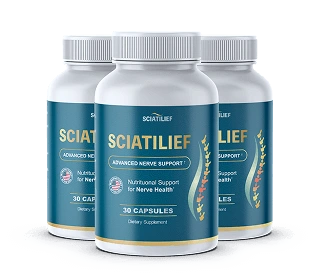
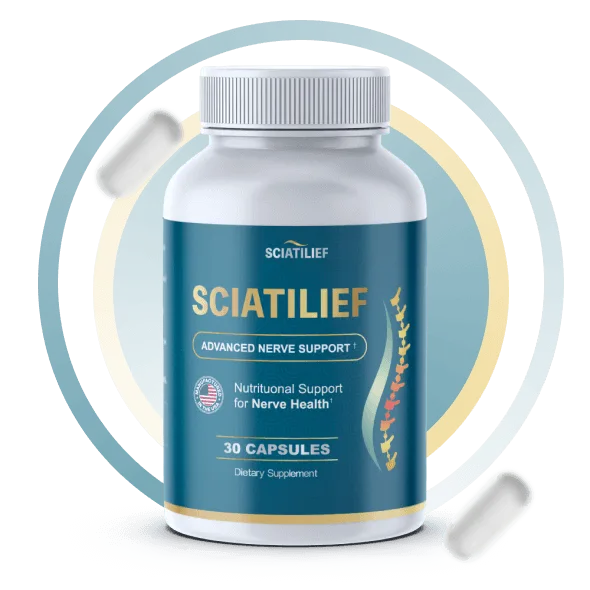
For some, dietary changes and lifestyle adjustments may not be enough, and targeted nutritional support can provide an added advantage. Supplements containing ingredients known for their nerve-supporting and anti-inflammatory properties can be incredibly beneficial. For instance, compounds like Alpha Lipoic Acid, Turmeric, Magnesium, and B vitamins have been widely studied for their positive effects on nerve pain and inflammation. Products like SciatiLief are formulated with these synergistic ingredients to offer comprehensive relief. You can explore more about Alpha Lipoic Acid and its benefits for nerve pain in our dedicated article: Alpha Lipoic Acid Nerve Pain Supplement.
Remember, the journey to sciatica relief is often multifaceted. Combining an anti-inflammatory diet with appropriate exercise, good posture, stress management, and targeted supplementation creates a powerful synergy that can lead to significant and lasting improvements in your quality of life.
Ready for Targeted Sciatic Nerve Support?
While diet is foundational, sometimes your body needs an extra boost. SciatiLief is an all-natural supplement designed to complement your anti-inflammatory diet, providing concentrated doses of key nutrients to soothe nerve inflammation and support nerve repair.
- ✓ Formulated with powerful anti-inflammatory ingredients
- ✓ Supports healthy nerve function and regeneration
- ✓ Helps reduce discomfort and tingling associated with sciatica
- ✓ Made with natural, clinically-backed ingredients
- ✓ Non-GMO, GMP certified, and made in the USA




What Our Customers Say About SciatiLief
"SciatiLief has been a game-changer! After struggling with sciatic pain for years, I started taking it alongside my anti-inflammatory diet, and the difference is incredible. Less tingling, less sharp pain. I feel more active and my mobility has improved significantly."
"I was skeptical at first, but decided to try SciatiLief after reading about its natural ingredients. Coupled with my efforts to eat healthier, my sciatic discomfort has gone from a daily struggle to an occasional minor ache. It's helped me get back to my gardening without constant pain."
"This supplement truly complements my diet. I've been focusing on anti-inflammatory foods, and SciatiLief provides that extra support for my nerve health. My mobility is better, and the radiating pain down my leg is much less frequent. Highly recommend for anyone with sciatica."
Frequently Asked Questions
What are the best foods to reduce sciatic nerve inflammation?
+The best foods include those rich in Omega-3 fatty acids (fatty fish, flaxseed), antioxidants (berries, leafy greens), magnesium (nuts, seeds), and anti-inflammatory spices like turmeric and ginger. These nutrients help to combat inflammation and support nerve health.
Can diet alone cure sciatica?
+While diet plays a crucial role in managing inflammation and supporting overall nerve health, it is rarely a standalone cure for sciatica. It should be part of a comprehensive management plan that may include exercise, physical therapy, proper posture, and potentially supplements or medication as advised by a healthcare professional.
How do anti-inflammatory foods help with nerve pain?
+Anti-inflammatory foods work by reducing the body's production of inflammatory markers, such as cytokines and prostaglandins, which can irritate and inflame the sciatic nerve. They also provide essential nutrients that support nerve repair, protect against oxidative stress, and improve circulation to the affected areas.
Are there any foods I should avoid if I have sciatica?
+Yes, it's generally recommended to limit or avoid highly processed foods, sugary drinks, refined carbohydrates, excessive red meat, and foods high in unhealthy trans and saturated fats. These can promote systemic inflammation and potentially worsen sciatic pain.
How long does it take for dietary changes to impact sciatic pain?
+The impact of dietary changes can vary among individuals. Some may notice improvements in a few weeks, while for others, it might take several months to experience significant relief. Consistency is key, and combining dietary changes with other therapeutic approaches often yields the best results.
Can supplements complement an anti-inflammatory diet for sciatica?
+Yes, certain supplements can complement an anti-inflammatory diet by providing concentrated doses of beneficial nutrients. Ingredients like Alpha Lipoic Acid, Turmeric, Magnesium, and B vitamins, found in products like SciatiLief, are specifically chosen for their nerve-supporting and anti-inflammatory properties, offering additional support for sciatic nerve health.
Related Articles to Support Your Nerve Health