Are you a desk worker constantly battling the nagging pain of sitting sciatica?
You're not alone. In today's increasingly sedentary world, prolonged sitting has become an unfortunate hallmark of many professions, leading to a rise in conditions like sciatica. This debilitating nerve pain, often radiating from your lower back down your leg, can turn a productive workday into an agonizing ordeal.
Finding effective strategies to manage and alleviate this discomfort is paramount, especially for those whose livelihoods depend on hours spent at a desk. While ergonomic adjustments and regular movement are crucial, many are now turning to targeted nutritional support. This article will explore the best supplement options for managing sitting sciatica pain in desk workers in 2026, offering insights into natural solutions that can complement your overall wellness plan.

Understanding Sciatica: More Than Just Back Pain
Sciatica is not a condition in itself, but rather a symptom of an underlying problem affecting the sciatic nerve, the longest and widest nerve in the human body. It originates in the lower back, branches through the hips and buttocks, and extends down each leg.
When this nerve becomes compressed, irritated, or inflamed, it can lead to a characteristic set of symptoms:
- Radiating Pain: Often described as a sharp, shooting, burning, or aching sensation that travels from the lower back or buttock down the back of the leg.
- Numbness or Tingling: A "pins and needles" sensation or loss of feeling along the nerve pathway.
- Muscle Weakness: Difficulty moving the affected leg or foot.
- Exacerbation with Sitting: A hallmark of "sitting sciatica," where symptoms worsen after prolonged periods in a chair.
While a herniated disc is a common cause, other factors like piriformis syndrome (where the piriformis muscle in the buttock spasms and irritates the nerve), spinal stenosis, and even obesity can lead to sciatica. Identifying the root cause is the first step toward effective management, and a healthcare professional can provide an accurate diagnosis.
💡 Key Takeaway
Sitting sciatica is characterized by pain, numbness, or weakness radiating down the leg, significantly worsened by prolonged sitting. It stems from sciatic nerve compression, often due to poor ergonomics and sedentary habits common among desk workers.
The Desk Worker's Dilemma: Why Sitting Aggravates Sciatica
For individuals who spend the majority of their day seated, the risk of developing or exacerbating sciatica is significantly higher. The human body is designed for movement, not for static postures for hours on end.
Increased Spinal Pressure
Sitting, especially with poor posture, places more pressure on the spinal discs in the lumbar region than standing. This can lead to disc bulging or herniation, which directly compresses the sciatic nerve roots.
Tight Hip Flexors and Glutes
Prolonged sitting shortens and tightens the hip flexor muscles and can weaken the gluteal muscles. This muscular imbalance can alter pelvic alignment and posture, contributing to sciatic nerve irritation, particularly if the piriformis muscle becomes tight.
Reduced Circulation
Lack of movement hinders blood flow to the spinal structures and nerves, potentially leading to inflammation and reduced nutrient delivery, further compromising nerve health.
Poor Posture Habits
Slouching, hunching, or sitting with a rounded back can exacerbate the pressure on the lower spine and sciatic nerve. Many desk workers unconsciously adopt these postures over time, worsening their condition.
Recognizing these contributing factors is the first step towards implementing effective strategies. While ergonomic solutions and regular physical activity are foundational, targeted nutritional support can play a crucial complementary role in alleviating symptoms and promoting nerve health.
Conventional Approaches to Sciatica Management
Before delving into supplementary options, it's essential to understand the established methods for managing sciatica. These often form the bedrock of a comprehensive treatment plan.
Initially, conservative treatments are almost always recommended. These include:
- Physical Therapy: A tailored program of exercises and stretches designed to strengthen core muscles, improve flexibility, and correct postural imbalances. A physical therapist can also use techniques like massage, heat/cold therapy, and ultrasound.
- Medications: Over-the-counter pain relievers (NSAIDs like ibuprofen), muscle relaxants, or in some cases, prescription medications like oral corticosteroids or neuropathic pain drugs (e.g., gabapentin) may be used to manage pain and inflammation.
- Injections: Epidural steroid injections can provide temporary relief by reducing inflammation around the affected nerve roots.
- Lifestyle Modifications: This is particularly relevant for desk workers. It involves improving ergonomics, taking frequent breaks, and engaging in regular, gentle exercise.
While these conventional treatments are vital, many individuals seek additional support through natural means, including supplements, to enhance their pain management and nerve health strategies. This is where a holistic approach becomes particularly beneficial, addressing the body's needs from multiple angles.
Ergonomic Solutions and Lifestyle Adjustments for Desk Workers
Before reaching for supplements, optimizing your work environment and daily habits is crucial. These foundational changes can significantly reduce the strain on your sciatic nerve.
Invest in an Ergonomic Chair
A good office chair should provide excellent lumbar support, allowing your spine to maintain its natural curve. It should also have adjustable height, armrests, and seat depth to ensure your feet are flat on the floor and your knees are at a 90-degree angle, slightly below your hips.
Consider a Standing Desk
Alternating between sitting and standing throughout the day can drastically reduce the pressure on your spinal discs and sciatic nerve. Many modern standing desks are easily adjustable, making it simple to switch positions every 30-60 minutes.
Practice Good Posture
Be mindful of how you sit. Avoid slouching or leaning. Keep your shoulders relaxed, your back straight against the chair, and your head aligned over your spine. Using a small pillow or rolled towel for additional lumbar support can be beneficial.
Take Frequent Movement Breaks
Even with perfect ergonomics, prolonged static sitting is detrimental. Set reminders to stand up, stretch, and walk around for 5-10 minutes every hour. Simple stretches like gentle backbends, hamstring stretches, and hip flexor stretches can make a big difference.
Optimize Your Monitor and Keyboard
Ensure your computer monitor is at eye level to prevent neck strain, which can indirectly affect spinal alignment. Your keyboard and mouse should be positioned so your elbows are at a 90-degree angle and your wrists are straight.
Stay Hydrated and Nourished
Adequate hydration is crucial for disc health, as spinal discs are largely composed of water. A nutrient-rich diet can also support overall nerve health and reduce systemic inflammation. Incorporate anti-inflammatory foods like berries, leafy greens, and omega-3 rich fish.
Implementing these adjustments creates a supportive environment for healing and prevention. Once these foundational elements are in place, considering targeted supplements can provide an extra layer of support for nerve health and pain management.
The Role of Nutritional Support in Sciatica Management
While external factors like ergonomics and movement are critical, the internal environment of your body plays an equally vital role in managing sciatica. Nerves, like all tissues, require specific nutrients to function optimally, repair themselves, and manage inflammation.
A balanced diet rich in vitamins, minerals, and antioxidants can lay the groundwork for better nerve health. However, for targeted support, especially when dealing with persistent pain or nerve irritation, dietary supplements can fill nutritional gaps and provide concentrated doses of beneficial compounds. These compounds can work through various mechanisms:
- Reducing Inflammation: Many natural ingredients possess potent anti-inflammatory properties, which can help calm the irritated sciatic nerve and surrounding tissues.
- Supporting Nerve Regeneration and Repair: Certain vitamins and compounds are crucial for myelin sheath integrity and nerve signal transmission, aiding in the repair of damaged nerves.
- Modulating Pain Signals: Some supplements can influence the body's pain pathways, helping to reduce the perception of pain.
- Muscle Relaxation: Minerals like magnesium can help relax tight muscles, such as the piriformis, which might be impinging on the sciatic nerve.
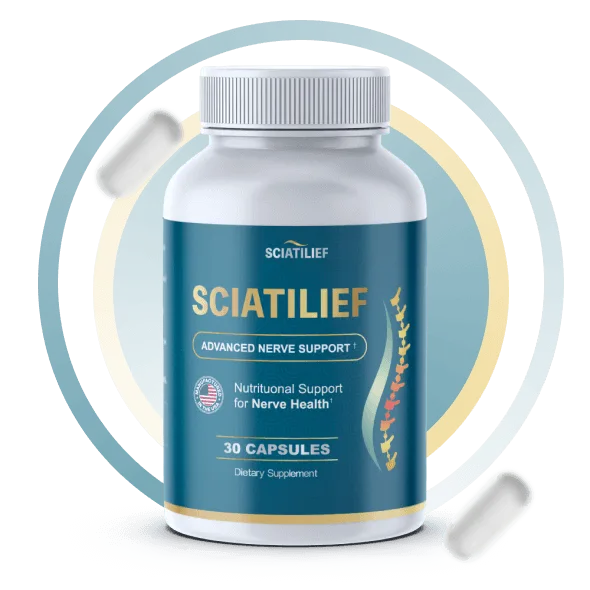
In the following sections, we will explore some of the most promising natural ingredients and supplement formulations, including a closer look at products like SciatiLief, which are designed to offer targeted relief for sciatica sufferers. You can learn more about general nerve health remedies that work to get a broader understanding of how these nutrients function.
💡 Key Takeaway
Nutritional support is crucial for sciatica management, with supplements offering targeted anti-inflammatory, nerve-repairing, and pain-modulating benefits. They complement lifestyle changes and medical treatments to foster an optimal healing environment.
Top Natural Ingredients for Sciatica Pain Relief in 2026
As research advances, certain natural compounds have emerged as front-runners in supporting nerve health and alleviating sciatica symptoms. Here are some of the most effective ingredients to look for in a supplement designed for sitting sciatica:
Palmitoylethanolamide (PEA)
PEA is a fatty acid amide naturally produced in the body. It acts on the endocannabinoid system, known for its anti-inflammatory and pain-relieving properties. PEA helps to calm overactive nerve cells and reduce neuroinflammation, making it highly effective for neuropathic pain like sciatica.
Alpha Lipoic Acid (ALA)
A powerful antioxidant, ALA is known for its ability to protect nerve cells from oxidative damage and improve nerve function. It can help reduce nerve pain, tingling, and numbness associated with sciatica by supporting nerve regeneration and reducing inflammation.
Turmeric (Curcumin)
The active compound in turmeric, curcumin, is a potent natural anti-inflammatory agent. It helps reduce pain and swelling by inhibiting inflammatory pathways in the body, offering a natural alternative to NSAIDs for managing sciatica-related inflammation.
Magnesium
This essential mineral plays a critical role in muscle and nerve function. Magnesium can help relax tight muscles, including the piriformis, which can sometimes compress the sciatic nerve. It also supports healthy nerve transmission and can reduce muscle spasms.
B Vitamins (B1, B6, B12)
The B-complex vitamins are vital for nerve health. Vitamin B1 (Thiamine) supports nerve energy. Vitamin B6 (Pyridoxine) is crucial for neurotransmitter synthesis. Vitamin B12 (Cobalamin) is essential for myelin sheath formation and nerve regeneration. A deficiency in these vitamins can exacerbate nerve pain.
Boswellia Serrata
Also known as Indian frankincense, Boswellia has powerful anti-inflammatory properties, similar to turmeric. It helps reduce inflammation in the joints and tissues surrounding the sciatic nerve, contributing to pain relief and improved mobility.
Feverfew
Traditionally used for pain and inflammation, feverfew contains parthenolides, which may help inhibit inflammatory processes and reduce nerve sensitivity. It can be a valuable addition to a comprehensive pain management strategy.
Methylsulfonylmethane (MSM)
MSM is a sulfur-containing compound known for its anti-inflammatory and pain-relieving effects. It can help reduce muscle soreness and joint pain, which are often co-occurring issues with sciatica, by supporting connective tissue health.
When choosing a supplement, look for formulations that combine several of these ingredients to leverage their synergistic effects. A well-formulated blend can provide comprehensive support for nerve health, inflammation reduction, and pain management, offering a multi-faceted approach to sitting sciatica relief.
Introducing SciatiLief: A Targeted Solution for Nerve Pain
Given the complex nature of sciatica, especially when compounded by the demands of a desk job, a targeted approach to supplementation is often beneficial. This is where products like SciatiLief come into play, offering a carefully curated blend of ingredients designed to address the root causes of nerve pain and inflammation.
SciatiLief is formulated with several of the key ingredients we've discussed, aiming to provide comprehensive relief for individuals suffering from sciatica. Its strength lies in combining scientifically backed compounds known for their efficacy in supporting nerve health and reducing discomfort. The developers of SciatiLief understand that persistent nerve pain can severely impact quality of life and productivity, particularly for those whose work involves prolonged sitting. Therefore, the focus is on a natural, non-habit-forming solution that can be integrated into a daily routine.
The philosophy behind SciatiLief is to support the body's natural healing processes and reduce the inflammatory responses that often contribute to sciatic nerve irritation. By providing essential nutrients and anti-inflammatory agents, it aims to calm the nerve, promote its repair, and ultimately alleviate the pain, numbness, and tingling that define sciatica. This approach aligns with a holistic view of health, acknowledging that internal support is just as important as external adjustments for lasting relief.
Many individuals have found success with SciatiLief as a part of their overall sciatica management plan. To understand more about how it works and what others are saying, you might want to explore SciatiLief reviews and real results directly from users. It's designed to be a gentle yet powerful ally in your fight against sitting sciatica, helping you regain comfort and focus in your workday.
SciatiLief's Key Ingredients for Nerve Support
SciatiLief harnesses the power of several well-researched natural compounds, each playing a specific role in alleviating sciatica symptoms and promoting overall nerve health. This blend is designed to work synergistically for maximum benefit.
Palmitoylethanolamide (PEA)
Role: A natural anti-inflammatory and analgesic compound that helps modulate pain signals and calm overactive nerve cells. It's particularly effective for neuropathic pain by interacting with the body's endocannabinoid system.
Alpha Lipoic Acid (ALA)
Role: A powerful antioxidant that protects nerve cells from oxidative stress and supports nerve regeneration. ALA can reduce symptoms like numbness, tingling, and burning associated with nerve damage.
Turmeric (Curcumin)
Role: Known for its potent anti-inflammatory properties, curcumin helps reduce swelling and pain by inhibiting key inflammatory pathways. It's a natural alternative for managing inflammation around the sciatic nerve.
Magnesium
Role: Essential for muscle relaxation and nerve function, magnesium helps alleviate muscle spasms and tension, including those in the piriformis muscle that can impinge on the sciatic nerve. It also supports healthy nerve signal transmission.
Vitamin B Complex (B1, B6, B12)
Role: These B vitamins are crucial for maintaining nerve health, supporting myelin sheath integrity, and promoting nerve repair. They play a vital role in energy production for nerve cells and proper neurotransmitter function, which can be critical for reducing neuropathic pain.
Boswellia Serrata
Role: An ancient herb with strong anti-inflammatory effects, Boswellia helps reduce inflammation in joint tissues and around nerves, contributing to pain relief and improved mobility without the side effects often associated with conventional anti-inflammatory drugs.
Feverfew
Role: Traditionally used for its pain-relieving and anti-inflammatory properties, Feverfew contains parthenolides that may help reduce inflammation and nerve sensitivity, offering additional support for chronic pain conditions.
Methylsulfonylmethane (MSM)
Role: A natural sulfur compound that supports healthy connective tissues, reduces inflammation, and alleviates muscle soreness. MSM can enhance the flexibility and permeability of cell membranes, improving nutrient delivery to affected areas.
By combining these ingredients, SciatiLief offers a multi-pronged approach to sciatica relief, addressing inflammation, nerve health, and pain modulation comprehensively. This targeted formulation makes it a standout option for desk workers seeking natural support.
Integrating SciatiLief into Your Daily Routine
Incorporating a supplement like SciatiLief into your daily regimen is straightforward, but it's important to do so thoughtfully, alongside other recommended strategies for managing sitting sciatica.
For optimal results, consistency is key. Taking SciatiLief as directed, typically with meals, ensures that your body receives a steady supply of its beneficial compounds. While some individuals may experience relief relatively quickly, natural supplements often require a few weeks to build up in your system and exert their full effects. Patience and consistent adherence to the recommended dosage are crucial for experiencing the maximum benefits.
Remember that SciatiLief is designed to complement, not replace, other essential sciatica management strategies. Continue to prioritize your ergonomic setup, take regular movement breaks, perform gentle stretches, and maintain good posture throughout your workday. If you're currently undergoing physical therapy or have specific exercises prescribed by a professional, continue with those as well. The goal is a synergistic approach where each element reinforces the others, leading to more comprehensive and lasting relief.
Before starting any new supplement, especially if you have underlying health conditions or are taking other medications, it's always wise to consult with your healthcare provider. They can ensure that SciatiLief is appropriate for your individual needs and does not interact with any existing treatments. For a deeper dive into various options, you can also check out other sciatica supplement reviews to see how SciatiLief compares.
By taking a proactive and integrated approach, combining effective supplements like SciatiLief with smart lifestyle choices, desk workers can significantly reduce the impact of sitting sciatica and reclaim their comfort and productivity.
Ready to Experience Targeted Sciatica Relief?
Don't let sitting sciatica dictate your workday any longer. SciatiLief offers a powerful, natural blend designed to support nerve health and reduce pain, allowing you to focus on what matters most.
- ✓ Targeted relief for nerve pain and inflammation
- ✓ Supports healthy nerve function and regeneration
- ✓ Made with clinically-backed natural ingredients
- ✓ Non-habit forming and gentle on your system
- ✓ Thousands of satisfied desk workers finding relief




What Our Customers Are Saying About SciatiLief
"As a software engineer, I spend 8+ hours a day at my desk. Sciatica was making my life miserable. After trying SciatiLief for a month, the constant burning sensation in my leg has significantly reduced. I can actually focus on my code again!"
"My desk job gave me chronic sciatica. I tried everything – ergonomic chairs, stretches, even injections. SciatiLief was the missing piece. The numbness and tingling are almost gone, and I feel so much more comfortable sitting. Highly recommend!"
"I was skeptical at first, but the natural ingredients in SciatiLief really caught my eye. My sciatica pain from sitting was debilitating. Within a few weeks, I noticed a significant improvement in my lower back and leg discomfort. It's a game-changer for desk workers!"
Frequently Asked Questions
What causes sciatica pain specifically from sitting?
+Prolonged sitting often puts sustained pressure on the sciatic nerve, especially if posture is poor or the chair lacks adequate support. This can compress the nerve, leading to inflammation and pain. Tight hip flexors and gluteal muscles, common in desk workers, can also contribute.
How can ergonomic adjustments help desk workers with sciatica?
+Ergonomic adjustments are crucial. This includes using a supportive chair with good lumbar support, ensuring your feet are flat on the floor or a footrest, keeping your monitor at eye level, and maintaining a neutral spine. A standing desk can also significantly reduce sitting time.
Are there specific exercises or stretches beneficial for sitting sciatica?
+Yes, gentle stretches like pigeon pose, knee-to-chest, and hamstring stretches can help. Strengthening core muscles and glutes can also provide better support for the spine and reduce nerve compression. Regular movement breaks are essential to prevent stiffness.
What natural ingredients should I look for in a sciatica supplement?
+Look for ingredients known for their anti-inflammatory and nerve-supportive properties. These often include PEA (Palmitoylethanolamide), Alpha Lipoic Acid, Turmeric, Magnesium, B vitamins (especially B1, B6, B12), and Boswellia Serrata.
How long does it typically take for supplements to alleviate sciatica pain?
+The timeframe for relief can vary significantly depending on the individual, the severity of the sciatica, and the specific supplement. Some individuals may notice improvements within a few weeks, while for others, it might take 1-3 months of consistent use to experience significant benefits.
Is SciatiLief suitable for long-term use by desk workers?
+SciatiLief is formulated with natural ingredients generally considered safe for consistent, long-term use. Many desk workers find it beneficial for ongoing nerve support and pain management. However, it's always recommended to consult with your healthcare provider to ensure it aligns with your overall health plan, especially for prolonged use.
Related Articles