Are you tired of unpredictable sciatica flare-ups disrupting your life?
Sciatica pain can be debilitating, turning simple daily activities into agonizing challenges. The sharp, shooting pain, numbness, and tingling that radiate from your lower back down your leg can make you feel trapped, constantly wondering when the next flare-up will strike.
Understanding what triggers these episodes is the first crucial step toward regaining control. This comprehensive guide will delve into the various causes of sciatica flare-ups, from common mechanical issues to often-overlooked lifestyle factors, and provide you with actionable strategies to prevent them, helping you achieve lasting relief and improved quality of life.

Decoding Sciatica: Understanding the Nerve and Its Pain
Sciatica is more than just a backache; it's a specific type of nerve pain stemming from irritation, compression, or inflammation of the sciatic nerve. As the longest and thickest nerve in the body, the sciatic nerve originates in the lower back, travels through the buttocks, and extends down the back of each leg, branching into smaller nerves that reach the feet. When this nerve is compromised, the resulting pain can be profound and debilitating.
The hallmark of sciatica is pain that radiates along this nerve pathway. While it can manifest as a dull ache, a sharp, burning sensation, or even an electric shock-like jolt, the common denominator is its distinctive travel from the lower back or buttock down one leg. Accompanying symptoms often include numbness, tingling, or muscle weakness in the affected leg or foot. Understanding the underlying mechanisms that lead to this nerve irritation is paramount for effective prevention and management.
It's important to distinguish sciatica from general back pain. While both can be uncomfortable, sciatica specifically involves nerve compression, leading to symptoms that extend beyond the back itself. Identifying the precise cause of sciatic nerve irritation is crucial for tailoring an effective treatment and prevention plan. Without addressing the root cause, flare-ups are likely to recur, perpetuating a cycle of pain and discomfort that significantly impacts daily life and overall well-being. This article aims to empower you with the knowledge to break that cycle.
💡 Key Takeaway
Sciatica is nerve pain radiating along the sciatic nerve, usually from the lower back down one leg. It's often caused by compression or irritation of the nerve, leading to pain, numbness, tingling, or weakness. Identifying and addressing the specific triggers is essential for effective prevention and relief.
Understanding the Different Types of Sciatica Triggers
Sciatica flare-ups are rarely random events; they are typically a direct result of certain actions, postures, or underlying conditions that place undue pressure or irritation on the sciatic nerve. By categorizing these triggers, we can better understand how to identify and mitigate them, paving the way for a more stable and pain-free existence. The causes can broadly be grouped into mechanical, lifestyle, medical, and emotional factors.
Mechanical Triggers
These are physical issues directly affecting the spine or surrounding structures that compress the sciatic nerve. The most common mechanical culprit is a herniated or bulging disc in the lumbar spine. When the soft inner material of a spinal disc protrudes, it can press directly on the nerve roots that form the sciatic nerve. Another significant mechanical trigger is spinal stenosis, a narrowing of the spinal canal, which can put pressure on the spinal cord and nerves. Piriformis syndrome, where the piriformis muscle in the buttock spasms and compresses the sciatic nerve, is also a common cause. Less frequently, conditions like spondylolisthesis (where one vertebra slips forward over another) or spinal tumors can lead to nerve compression.
Lifestyle Factors
Our daily habits and routines play a profound role in spinal health and sciatica susceptibility. A sedentary lifestyle, involving prolonged sitting, significantly increases pressure on the spinal discs and can weaken core muscles that support the back. Poor posture, whether while sitting, standing, or sleeping, can misalign the spine and lead to chronic nerve irritation. Improper lifting techniques, especially bending from the waist instead of the knees, can strain the back and cause disc injury. Obesity places additional stress on the spine, particularly the lower back, increasing the risk of disc issues. Even wearing certain types of footwear, like high heels, can alter spinal alignment and contribute to sciatica. Smoking is another surprising lifestyle factor, as it can reduce blood flow to spinal tissues, impairing disc health and healing.
Medical Conditions
While less common, certain medical conditions can either directly cause sciatica or exacerbate existing symptoms. Diabetes, for instance, can lead to nerve damage (diabetic neuropathy) throughout the body, including the sciatic nerve, making it more vulnerable to irritation and pain. Spinal infections or tumors, though rare, can also compress the sciatic nerve, necessitating prompt medical diagnosis and intervention. Conditions like ankylosing spondylitis, an inflammatory arthritis primarily affecting the spine, can also contribute to sciatica-like pain. It's important to rule out these more serious causes, especially if sciatica symptoms appear suddenly, are severe, or are accompanied by other concerning signs like unexplained weight loss or fever.
Emotional & Psychological Stress
The mind-body connection is undeniable, and stress can significantly impact the perception and intensity of pain, including sciatica. When under stress, the body releases hormones that can increase inflammation throughout the nervous system. Chronic stress also leads to muscle tension, particularly in the lower back, glutes, and hips, which can directly compress the sciatic nerve or exacerbate existing mechanical issues. Furthermore, stress can lower an individual's pain threshold, making existing discomfort feel more severe. It can also disrupt sleep patterns, which are crucial for the body's healing and pain management processes. For a deeper dive into this connection, you can read our article on how stress worsens sciatica nerve pain.
Comprehensive Strategies to Prevent Sciatica Flare-Ups
Preventing sciatica flare-ups requires a proactive and multi-faceted approach that addresses both the physical and lifestyle factors contributing to nerve irritation. By incorporating these strategies into your daily routine, you can significantly reduce the frequency and intensity of your sciatica symptoms, leading to a more comfortable and active life.
Regular Exercise and Stretching
Engaging in regular physical activity is paramount for spinal health. Low-impact exercises like walking, swimming, cycling, or yoga help strengthen the core muscles (abdomen and back) that support the spine, reducing stress on the lower back. Specific stretches targeting the hamstrings, piriformis, and glutes can improve flexibility and relieve tension that might be pressing on the sciatic nerve. Consistency is key; even short, daily sessions can make a significant difference in preventing muscle stiffness and improving circulation to spinal tissues.
Maintaining Good Posture
Poor posture is a silent culprit in many sciatica cases. Whether you're sitting, standing, or sleeping, maintaining proper spinal alignment is crucial. When sitting, ensure your feet are flat on the floor, your back is supported, and your shoulders are relaxed. Avoid prolonged periods of sitting by taking regular breaks to stand and stretch. When standing, distribute your weight evenly and avoid slouching. For sleep, a medium-firm mattress and a pillow that supports the natural curve of your neck are ideal. Sleeping on your side with a pillow between your knees can also help keep your spine aligned.
Ergonomic Workspaces and Proper Lifting
If your job involves prolonged sitting or repetitive movements, an ergonomic workstation is non-negotiable. Ensure your computer screen is at eye level, your chair provides adequate lumbar support, and your keyboard and mouse are positioned to prevent strain. When lifting heavy objects, always bend at your knees, keep your back straight, and lift with your legs, not your back. Hold the object close to your body to minimize strain. These practices minimize stress on your spinal discs and nerves, significantly reducing the risk of a flare-up.
Anti-Inflammatory Diet and Weight Management
Excess body weight, particularly around the abdomen, puts additional strain on the lower back, increasing the risk of sciatica. Maintaining a healthy weight through a balanced diet is essential. Furthermore, incorporating anti-inflammatory foods like leafy greens, berries, fatty fish (rich in omega-3s), and nuts can help reduce systemic inflammation that may contribute to nerve irritation. Limiting processed foods, sugary drinks, and excessive red meat can also have a positive impact on overall inflammatory levels in the body, supporting nerve health.
Effective Stress Management
As discussed, stress can exacerbate sciatica pain by increasing muscle tension and lowering pain thresholds. Developing effective stress management techniques is vital. Practices like mindfulness meditation, deep breathing exercises, yoga, spending time in nature, or engaging in hobbies can help reduce stress levels. Ensuring adequate, restorative sleep also plays a critical role in the body's ability to heal and manage pain. Prioritizing mental well-being is a powerful tool in your sciatica prevention arsenal.
Targeted Nutritional Support
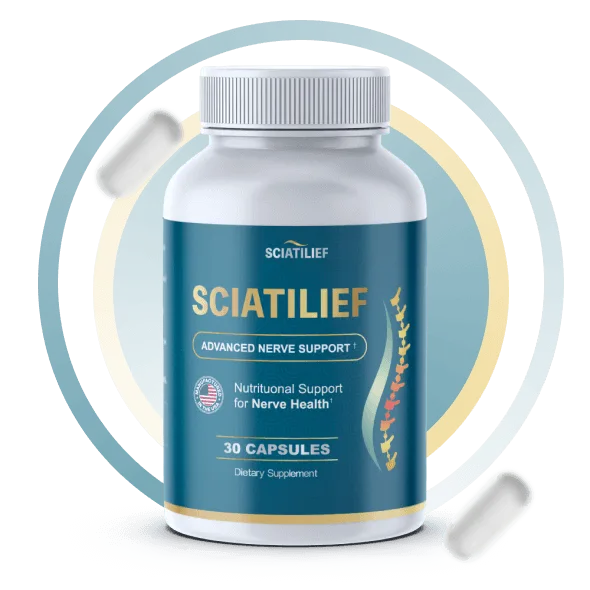
While a balanced diet is fundamental, certain nutrients can provide additional support for nerve health and inflammation management. Supplements containing ingredients like Alpha-Lipoic Acid, Acetyl-L-Carnitine, Turmeric, Magnesium, and B vitamins (B1, B6, B12) are often recommended for their neuroprotective and anti-inflammatory properties. These compounds can help repair nerve damage, reduce inflammation around the sciatic nerve, and support overall nervous system function. When considering supplements, always choose high-quality products from reputable sources and consult your physician. For those seeking targeted support, exploring options like SciatiLief can be beneficial.
The Role of Inflammation in Sciatica Flare-Ups
Inflammation is a natural bodily response to injury or irritation, but chronic or excessive inflammation can be a major contributor to sciatica pain and flare-ups. When the sciatic nerve is compressed or damaged, the body's inflammatory response kicks in, leading to swelling, redness, heat, and pain around the affected area. This swelling can further compress the nerve, creating a vicious cycle of pain and discomfort.
Understanding the inflammatory cascade is crucial for effective prevention. Factors like a poor diet rich in processed foods, chronic stress, lack of sleep, and certain medical conditions can all contribute to systemic inflammation, making the sciatic nerve more susceptible to irritation. Conversely, adopting an anti-inflammatory lifestyle can significantly reduce the likelihood and severity of flare-ups. This involves not only dietary changes but also incorporating anti-inflammatory supplements and managing stress effectively. By proactively reducing inflammation, you can create an environment where your sciatic nerve is less likely to become irritated and painful.
Specific inflammatory mediators, such as cytokines and prostaglandins, are released during an inflammatory response, sensitizing nerve endings and amplifying pain signals. Therefore, strategies that target these inflammatory pathways can be highly effective in managing sciatica. This includes consuming foods rich in antioxidants and omega-3 fatty acids, which have potent anti-inflammatory properties, and considering natural compounds known for their ability to modulate inflammation. For individuals dealing with persistent nerve pain, focusing on reducing inflammation is a critical component of a holistic management plan.
Key Natural Ingredients for Nerve Health Support
While lifestyle changes form the bedrock of sciatica prevention, certain natural ingredients can offer powerful support for nerve health and inflammation reduction. These compounds work synergistically to protect nerves, reduce pain, and promote overall neurological well-being, making them valuable additions to a holistic approach to managing sciatica.
Alpha-Lipoic Acid (ALA)
Role: A potent antioxidant, ALA is crucial for protecting nerve cells from oxidative stress and damage. It also plays a role in nerve regeneration and can improve nerve conduction velocity, which is often impaired in conditions like sciatica. ALA's ability to work in both water and fat-soluble environments makes it highly effective throughout the body. Research suggests it can significantly reduce neuropathic pain symptoms.
Acetyl-L-Carnitine (ALCAR)
Role: ALCAR is an amino acid derivative known for its neuroprotective and pain-relieving properties. It supports mitochondrial function, essential for nerve cell energy, and helps repair damaged nerve fibers. Studies indicate ALCAR can reduce nerve pain and promote nerve regeneration, particularly beneficial for individuals experiencing chronic sciatica or nerve damage.
Turmeric Extract (Curcumin)
Role: Derived from the turmeric root, curcumin is a powerful anti-inflammatory and antioxidant compound. It helps to modulate inflammatory pathways, reducing swelling and pain associated with nerve compression. Its neuroprotective effects can also help shield nerve cells from damage, making it a valuable natural agent for managing sciatica-related inflammation and pain.
Magnesium
Role: This essential mineral plays a critical role in over 300 biochemical reactions in the body, including nerve function and muscle relaxation. Magnesium helps reduce muscle spasms and tension that can compress the sciatic nerve. It also has anti-inflammatory properties and supports healthy nerve signal transmission, making it vital for alleviating nerve pain and promoting muscle relaxation.
B Vitamins (B1, B6, B12)
Role: The B vitamin complex is indispensable for nerve health. Vitamin B1 (Thiamine) is crucial for nerve impulse transmission. Vitamin B6 (Pyridoxine) aids in neurotransmitter synthesis and nerve protection. Vitamin B12 (Cobalamin) is essential for the formation of myelin, the protective sheath around nerves, and plays a key role in nerve regeneration. Deficiencies in these vitamins can lead to nerve damage and exacerbate neuropathic pain, making supplementation vital for sciatica sufferers. For more information on supportive supplements, consider reading our article on the best nerve health supplement.
GABA (Gamma-Aminobutyric Acid)
Role: GABA is a primary inhibitory neurotransmitter in the brain, meaning it helps to calm nerve activity. For sciatica, GABA can help reduce nerve hyperexcitability and muscle spasms, contributing to pain relief and relaxation. It supports a more balanced nervous system, which can be beneficial in managing the chronic pain and discomfort associated with nerve irritation.
Passionflower
Role: Known for its calming and sedative properties, Passionflower can help alleviate nerve pain indirectly by reducing anxiety and promoting relaxation. Its natural compounds interact with GABA receptors in the brain, helping to soothe an overactive nervous system, which can be particularly helpful when stress and tension contribute to sciatica flare-ups.
Corydalis
Role: This traditional Chinese herb contains compounds that have analgesic (pain-relieving) properties. It acts on dopamine receptors and other pain pathways to reduce both acute and chronic pain. Corydalis can be particularly effective for neuropathic pain, offering a natural alternative for managing the intense discomfort often associated with sciatica.
Prickly Pear
Role: Prickly Pear is rich in antioxidants and has notable anti-inflammatory properties. It can help reduce systemic inflammation, which in turn can lessen the irritation and swelling around the sciatic nerve. Its beneficial compounds support overall cellular health and can contribute to a reduction in pain perception, making it a valuable addition to a nerve support regimen.

Take Control of Your Sciatica with SciatiLief
If you're seeking a natural, comprehensive solution to support nerve health and prevent sciatica flare-ups, SciatiLief offers a meticulously crafted formula. Designed by leading neurological health researchers, SciatiLief combines the most effective natural ingredients to target the root causes of nerve pain, inflammation, and discomfort associated with sciatica.
- ✓ Supports healthy nerve function and regeneration
- ✓ Reduces inflammation and oxidative stress
- ✓ Alleviates muscle spasms and tension
- ✓ Promotes overall pain relief and comfort
- ✓ Made with 100% natural, scientifically-backed ingredients




What Our Customers Are Saying About SciatiLief
"Sciatica had me sidelined for months. I tried everything, but the flare-ups kept coming back. Since starting SciatiLief, I've noticed a dramatic reduction in pain and the frequency of my flare-ups. I can finally enjoy walks again without dreading the next jolt of pain. It's been a game-changer for my quality of life."
"I was skeptical about supplements, but Dr. Lewis's research convinced me to try SciatiLief. The blend of ingredients is exactly what my chiropractor recommended for nerve support. My chronic tingling and numbness have significantly improved, and I feel much more stable. No more constant worry about sudden pain attacks."
"After years of dealing with unpredictable sciatica, finding SciatiLief has been a blessing. It's gentle on my stomach and truly seems to calm my nerves. I've been able to get back to my gardening and even light hiking. This product, combined with my exercises, has given me back so much freedom. Highly recommend!"
For more detailed experiences and results, you can read more SciatiLief reviews 2026.
Frequently Asked Questions
What exactly is sciatica?
+Sciatica is a medical condition characterized by pain radiating along the path of the sciatic nerve, which branches from your lower back through your hips and buttocks and down each leg. It typically affects only one side of your body. The pain can range from a mild ache to a sharp, burning sensation or excruciating discomfort. It can also be accompanied by numbness, tingling, or muscle weakness in the affected leg or foot. Sciatica is not a diagnosis in itself, but rather a symptom of an underlying problem irritating the sciatic nerve.
What are the most common triggers for sciatica flare-ups?
+Sciatica flare-ups are often triggered by a combination of factors. The most common mechanical triggers include herniated or bulging discs, spinal stenosis (narrowing of the spinal canal), piriformis syndrome (spasm of the piriformis muscle compressing the nerve), and spondylolisthesis (slipping of one vertebra over another). Lifestyle factors like prolonged sitting, poor posture, improper lifting techniques, obesity, and lack of regular exercise also contribute significantly. Additionally, emotional stress, inadequate sleep, and certain medical conditions like diabetes can exacerbate symptoms, making it crucial to address a holistic range of potential triggers.
Can lifestyle changes really prevent sciatica flare-ups?
+Absolutely. Lifestyle changes are among the most effective strategies for preventing sciatica flare-ups and managing existing pain. Regular, low-impact exercise such as walking, swimming, or yoga can strengthen core muscles and improve flexibility, supporting spinal health. Maintaining good posture while sitting, standing, and sleeping, along with using ergonomic aids, reduces spinal strain. Adopting an anti-inflammatory diet rich in fruits, vegetables, and lean proteins, and managing a healthy weight, can reduce overall inflammation and pressure on the spine. Additionally, stress reduction techniques and ensuring adequate sleep are vital for nerve health and pain resilience. These holistic approaches can significantly decrease the frequency and intensity of flare-ups.
How does stress impact sciatica pain?
+Stress plays a significant, though often underestimated, role in sciatica pain and flare-ups. When the body experiences stress, it enters a "fight or flight" response, leading to muscle tension, particularly in the lower back and glutes. This chronic tension can compress the sciatic nerve, triggering or worsening pain. Stress also elevates inflammatory markers in the body and can lower an individual's pain threshold, making existing pain feel more intense. Furthermore, stress can disrupt sleep patterns and lead to unhealthy coping mechanisms, further exacerbating physical discomfort. Managing stress through relaxation techniques, mindfulness, and adequate rest is a critical component of a comprehensive sciatica prevention strategy.
When should I see a doctor for my sciatica?
+While many sciatica cases improve with conservative care, it's crucial to consult a doctor if your pain is severe, progressively worsens, or doesn't improve after a few weeks of self-care. Seek immediate medical attention if you experience sudden, severe pain in your lower back or leg, muscle weakness or numbness in the affected leg, bowel or bladder dysfunction, or if the pain follows a violent injury. These symptoms could indicate a more serious condition, such as cauda equina syndrome, which requires urgent medical intervention. A healthcare professional can accurately diagnose the cause of your sciatica and recommend the most appropriate treatment plan.
Can natural supplements help with sciatica prevention?
+Yes, certain natural supplements can play a supportive role in preventing sciatica flare-ups by addressing underlying factors like inflammation, nerve damage, and muscle tension. Ingredients such as Alpha-Lipoic Acid and Acetyl-L-Carnitine are known for their neuroprotective properties, helping to repair and support nerve function. Turmeric and Magnesium offer powerful anti-inflammatory benefits, reducing swelling and discomfort around the sciatic nerve. B vitamins (B1, B6, B12) are essential for overall nerve health and repair. While supplements are not a cure, they can be a valuable part of a holistic prevention strategy when combined with lifestyle modifications and medical advice. Always consult with your doctor before starting any new supplement regimen.
Related Articles