Are you trapped in a vicious cycle of stress and sciatic pain?
It's a common misconception that sciatica and nerve pain are purely physical ailments, isolated from our emotional state. While structural issues like herniated discs or spinal stenosis are often the root cause, the intensity and persistence of your pain can be profoundly influenced by something you might not immediately consider: stress.
The human body is an intricate network where mind and body are inextricably linked. Chronic stress doesn't just make you feel anxious; it triggers a cascade of physiological responses that can directly exacerbate nerve inflammation, muscle tension, and pain perception, creating a feedback loop that makes sciatica feel unbearable.
The Intimate Connection: How Your Mind Affects Your Nerves
Understanding the intricate relationship between stress and nerve pain is the first step toward finding lasting relief. It's not "all in your head," but your head plays a significant role in how your body experiences pain.
For centuries, the medical community largely viewed pain as a purely physical phenomenon, a direct result of tissue damage or nerve compression. However, modern neuroscience has unveiled a far more nuanced picture. Pain is not just a sensation; it's an experience profoundly shaped by our brain, emotions, and psychological state. When it comes to conditions like sciatica, where inflammation and nerve irritation are central, the impact of stress cannot be overstated.
Sciatica, characterized by pain radiating along the path of the sciatic nerve—from your lower back through your hips and buttocks and down each leg—is often caused by a herniated disc, bone spur on the spine, or narrowing of the spine (spinal stenosis) compressing part of the nerve. While these structural issues are primary, the body's response to stress can significantly amplify the symptoms and hinder recovery. Let's delve into the physiological and psychological mechanisms at play.
The human body is equipped with an ancient survival mechanism known as the "fight-or-flight" response, mediated by the sympathetic nervous system. In prehistoric times, this response was crucial for escaping predators. Today, it's activated by modern stressors like work deadlines, financial worries, or relationship issues. When this system is constantly engaged due to chronic stress, it has widespread effects on the body, many of which can directly worsen sciatica and general nerve pain.
The Physiological Cascade: Stress Hormones and Their Impact
When you experience stress, your adrenal glands release hormones such as cortisol and adrenaline. While these hormones are essential for acute responses, their prolonged elevation due to chronic stress can be detrimental. Cortisol, often called the "stress hormone," initially has anti-inflammatory properties. However, sustained high levels can lead to a phenomenon known as cortisol resistance, where cells become less responsive to its anti-inflammatory signals. This paradoxically results in an increase in systemic inflammation throughout the body.
Inflammation is a key player in nerve pain. When the sciatic nerve is already irritated or compressed, increased inflammation in the surrounding tissues can intensify pain, swelling, and discomfort. This means that even if the underlying structural issue hasn't worsened, the inflammatory environment created by stress can make your sciatica feel significantly more severe. Furthermore, prolonged inflammation can lead to nerve damage over time, potentially causing more persistent and challenging symptoms.
Muscle Tension: The Direct Link to Nerve Compression
One of the most immediate and noticeable effects of stress on the body is muscle tension. When you're stressed, your muscles naturally tense up as a protective mechanism. For individuals with sciatica, this often manifests as tightness in the lower back, hips, and gluteal muscles, particularly the piriformis muscle. The sciatic nerve runs either through or directly beneath the piriformis muscle. When this muscle becomes chronically tight and spastic due to stress, it can directly compress the sciatic nerve, leading to or exacerbating what is known as piriformis syndrome. This is a common cause of sciatica-like pain, even in the absence of a spinal issue. The constant clenching and guarding of muscles under stress can create a relentless cycle of pain and tension.
Moreover, poor posture, which can be a subconscious response to stress or pain, further contributes to muscle imbalances and increased pressure on the spine and sciatic nerve. Spending long hours hunched over a desk while stressed can lead to sustained poor spinal alignment, making you more vulnerable to sciatic episodes.
Altered Pain Perception: The Brain's Role in Amplifying Pain
Perhaps one of the most insidious ways stress worsens nerve pain is by altering how your brain processes and perceives pain signals. Chronic stress can lead to changes in the brain's pain pathways, a phenomenon known as central sensitization. This means your nervous system becomes hypersensitive, amplifying pain signals and making you feel more pain from stimuli that wouldn't normally be painful. It's like turning up the volume on your body's pain alarm system.
Neurotransmitters, the chemical messengers in your brain, are also affected by stress. Stress can deplete 'feel-good' neurotransmitters like serotonin and dopamine, which play a role in pain modulation and mood regulation. A deficiency in these chemicals can not only worsen your mood but also reduce your body's natural ability to cope with and suppress pain signals. This makes the experience of sciatica more intense and harder to manage, often leading to increased anxiety and depression, which further fuels the stress response.
For more insights into effective pain management strategies, you might find our article on Nerve Health Remedies That Work particularly helpful.
💡 Key Takeaway
Stress isn't just a mental state; it's a powerful physiological trigger that can tighten muscles, fuel inflammation, and amplify pain signals, directly worsening sciatica and nerve pain. Managing stress is not just about feeling better emotionally, but also about significantly reducing physical discomfort.
The Vicious Cycle: Stress, Pain, and the Road to Chronic Suffering
The relationship between stress and sciatica often becomes a self-perpetuating cycle. Pain causes stress, and stress exacerbates pain, creating a difficult loop to break without conscious intervention.
Stress Triggers Pain
As discussed, stress leads to muscle tension, inflammation, and heightened pain perception. This directly increases the intensity and frequency of sciatica flare-ups, making daily life more challenging and uncomfortable. The body's constant state of alert wears down its natural healing capabilities.
Pain Fuels Stress
Living with persistent or chronic pain is inherently stressful. The inability to perform daily tasks, participate in hobbies, or even get a good night's sleep can lead to frustration, anxiety, and depression. This emotional distress then feeds back into the body's stress response, further elevating cortisol levels and perpetuating the cycle.
Behavioral Changes Worsen Condition
When in pain and stressed, individuals often adopt behaviors that inadvertently worsen their condition. This can include reduced physical activity (leading to muscle weakness and stiffness), poor sleep patterns (hindering recovery), and unhealthy coping mechanisms like overeating or increased alcohol consumption, which can further fuel inflammation and suppress immune function.
Impaired Healing and Recovery
Chronic stress diverts energy and resources away from essential bodily functions like tissue repair and immune response. This means that the body's ability to heal from nerve damage or inflammation caused by sciatica is compromised, potentially prolonging recovery times and making the condition more resistant to treatment. It creates a state where the body is constantly fighting an uphill battle.
Breaking the Cycle: Practical Strategies for Stress Management and Sciatica Relief
While you can't always eliminate the sources of stress in your life, you can change how your body responds to it. Implementing effective stress management techniques is a powerful tool in your arsenal against sciatica and nerve pain.
Mindfulness and Meditation
Engaging in mindfulness practices, such as meditation or guided imagery, can train your brain to respond differently to stress and pain. Even 10-15 minutes a day can reduce cortisol levels, promote relaxation, and decrease central sensitization, helping to lower your overall pain perception.
Deep Breathing Exercises
Simple diaphragmatic breathing can activate the parasympathetic nervous system, counteracting the fight-or-flight response. Slow, deep breaths signal to your body that it's safe to relax, reducing muscle tension and promoting a sense of calm. This is an immediate tool you can use anytime, anywhere.
Gentle Movement and Exercise
While intense exercise might be counterproductive, gentle activities like walking, swimming, or yoga can significantly reduce stress and improve sciatica. Exercise releases endorphins, natural pain relievers, and helps to strengthen core muscles, improving spinal support and flexibility. Consult with a physical therapist for sciatica-safe exercises.
Prioritize Quality Sleep
Chronic pain and stress often lead to poor sleep, which in turn exacerbates both conditions. Establishing a consistent sleep schedule, creating a relaxing bedtime routine, and optimizing your sleep environment can significantly improve sleep quality, allowing your body to repair and recover more effectively.
Nutritional Support
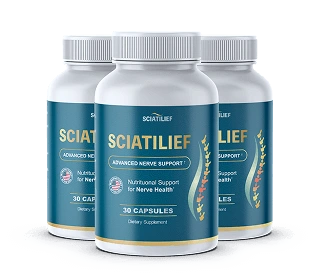
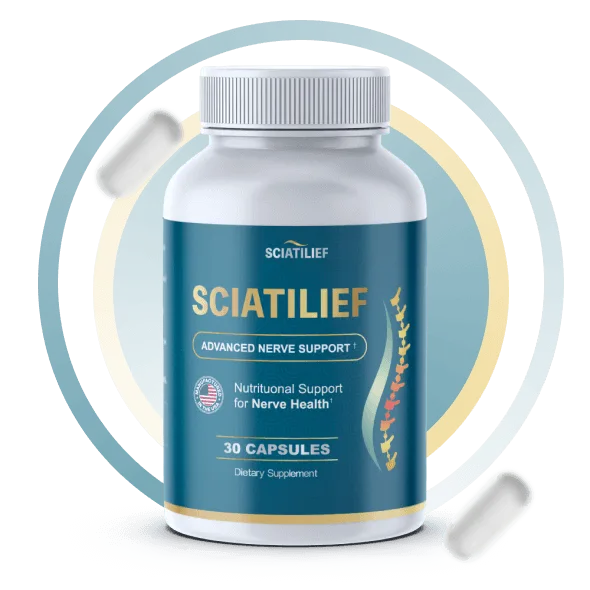
A balanced, anti-inflammatory diet can help mitigate the inflammatory effects of stress on your body. Incorporate plenty of fruits, vegetables, lean proteins, and healthy fats. Additionally, certain nutrients are crucial for nerve health and can help your body cope with stress. Consider supplements specifically formulated to support nerve function, such as SciatiLief.
Professional Guidance
Don't hesitate to seek help from healthcare professionals. A physical therapist can provide targeted exercises and manual therapy for sciatica. A psychologist or counselor can offer cognitive-behavioral therapy (CBT) or other techniques to manage stress and pain perception. Sometimes, a multi-disciplinary approach yields the best results.
Nourishing Your Nerves: Key Ingredients for Stress and Sciatica Support
Beyond lifestyle changes, targeted nutritional support can play a vital role in strengthening your body's resilience to stress and promoting optimal nerve health. Certain ingredients have been extensively studied for their ability to combat inflammation, support nerve repair, and modulate pain pathways.
Alpha Lipoic Acid (ALA)
Role: A potent antioxidant that helps protect nerve cells from damage caused by oxidative stress and inflammation. It's known for its ability to improve nerve function and reduce neuropathic pain, making it invaluable for sciatica sufferers.
300-600mg dailyAcetyl-L-Carnitine (ALC)
Role: Supports nerve regeneration and repair, particularly beneficial for damaged nerve fibers. ALC also plays a role in energy production within cells and has been shown to reduce nerve pain and improve nerve signal transmission.
500-1500mg dailyTurmeric (Curcumin)
Role: A powerful natural anti-inflammatory compound. Curcumin, the active ingredient in turmeric, can significantly reduce systemic inflammation, which is often exacerbated by stress and contributes to nerve pain. It helps calm the inflammatory response around the sciatic nerve.
500-1000mg standardized extract dailyBenfotiamine (Lipid-soluble B1)
Role: A fat-soluble form of Vitamin B1, Benfotiamine is more bioavailable than traditional thiamine and can effectively cross cell membranes to protect nerve cells. It helps reduce nerve pain and support nerve health, particularly useful in conditions where nerves are compromised by inflammation or metabolic stress.
150-300mg dailyMagnesium
Role: An essential mineral involved in over 300 biochemical reactions, including muscle relaxation and nerve function. Magnesium can help reduce muscle spasms and tension that often contribute to sciatic pain, and it also plays a role in stress reduction and sleep quality.
200-400mg dailyPalmitoylethanolamide (PEA)
Role: A naturally occurring fatty acid amide that acts as an anti-inflammatory and pain-modulating agent. PEA works by interacting with receptors involved in pain and inflammation, helping to reduce nerve excitability and calm the nervous system, offering a unique approach to nerve pain relief.
300-1200mg dailyB Vitamins (B6, B12, Folate)
Role: Crucial for overall nerve health, myelin sheath maintenance, and neurotransmitter production. These vitamins help repair nerve damage, improve nerve signal transmission, and support the body's ability to cope with stress, offering comprehensive support for the nervous system.
Varies by specific B vitaminThese ingredients, when combined thoughtfully, can provide comprehensive support for nerve health and help mitigate the aggravating effects of stress on sciatica. SciatiLief is formulated with a synergistic blend of these and other beneficial compounds, designed to address the multifaceted nature of nerve pain and inflammation. To learn more about how these compounds work together, you can review details on SciatiLief reviews from those who have experienced its benefits.
Beyond Supplements: A Holistic View of Sciatica Management
While supplements like SciatiLief can provide targeted nutritional support, true and lasting relief from sciatica and nerve pain requires a comprehensive, holistic approach that addresses all contributing factors, including stress.
Think of your body as an ecosystem. When one part is out of balance, it affects the whole. Stress is a major disruptor, and its impact on your nervous system can't be ignored. By actively managing stress, you're not just improving your mental well-being; you're directly contributing to the physical healing and resilience of your sciatic nerve.
Incorporating regular, gentle physical activity is paramount. This doesn't mean high-impact sports, which can aggravate sciatica, but rather activities that promote flexibility, strengthen core muscles, and improve circulation. Walking, swimming, cycling, and specific stretches recommended by a physical therapist are excellent choices. These activities help release muscle tension, improve spinal alignment, and stimulate the release of natural pain-relieving endorphins.
Posture awareness is another critical, yet often overlooked, aspect. Slouching, hunching, or sitting for prolonged periods in an awkward position can put undue pressure on your lower back and sciatic nerve. Be mindful of your posture throughout the day, whether sitting, standing, or lifting. Ergonomic adjustments at work and home can make a significant difference. Taking regular breaks to stretch and move is also essential, especially if your job involves prolonged sitting.
Furthermore, consider the quality of your sleep. Sleep is when your body undergoes its most significant repair and recovery processes. Chronic pain often disrupts sleep, and poor sleep can intensify pain. Creating a conducive sleep environment, sticking to a consistent sleep schedule, and avoiding stimulants before bed can dramatically improve your sleep quality and, consequently, your pain management. Practices like a warm bath before bed, reading, or gentle stretching can signal to your body that it's time to rest.
Finally, do not underestimate the power of your support system. Talking to friends, family, or a support group can reduce feelings of isolation and provide emotional comfort. If stress and pain are leading to feelings of anxiety or depression, seeking professional counseling or therapy can provide you with coping strategies and tools to navigate these challenges effectively. Techniques like Cognitive Behavioral Therapy (CBT) have proven effective in helping individuals reframe their relationship with pain and stress.
Remember, your journey to relief is unique. It may involve a combination of medical treatments, physical therapy, lifestyle adjustments, and targeted nutritional support. By addressing stress as a key component, you empower yourself to take a more active and effective role in managing your sciatica and nerve pain. For those dealing specifically with piriformis syndrome, understanding specific supportive measures can be found in our detailed guide on Piriformis Syndrome Supplement Support.

Ready for Relief? Take Control of Your Sciatica & Nerve Pain Today!
Don't let stress and persistent nerve pain dictate your life any longer. SciatiLief offers a natural, scientifically-backed approach to support your nervous system and reduce inflammation, helping you break free from the cycle of discomfort.
- ✓ Supports healthy nerve function
- ✓ Reduces inflammation and oxidative stress
- ✓ Alleviates muscle tension and spasms
- ✓ Promotes overall neurological health
- ✓ Made with premium, natural ingredients




Hear From Our Satisfied Customers
"I was skeptical, but SciatiLief truly made a difference in my daily pain. The constant ache in my leg from sciatica was driving me crazy, and I noticed stress always made it worse. After a few weeks, I felt a significant reduction in discomfort, and I'm able to manage my stress better knowing I have this support."
"My job is incredibly stressful, and my sciatica had become unbearable. I started taking SciatiLief along with some stress-reduction techniques, and the improvement is remarkable. The sharp pains are less frequent, and the overall nerve discomfort has lessened. It's given me my life back."
"I've tried so many things for my chronic nerve pain, and SciatiLief is the only supplement that has truly made an impact. I used to feel every bit of stress directly in my lower back and leg. Now, with SciatiLief, I feel more resilient, and the pain is much more manageable. Highly recommend!"
Frequently Asked Questions
How does stress directly impact the sciatic nerve?
+Stress triggers muscle tension, particularly in the lower back and glutes (like the piriformis muscle), which can directly compress or irritate the sciatic nerve. It also increases systemic inflammation and alters pain perception, making existing sciatica worse.
Can chronic stress lead to the development of sciatica?
+While stress itself isn't a direct cause of a herniated disc or spinal stenosis, chronic stress can contribute to conditions that lead to sciatica. It promotes muscle tension, poor posture, and inflammation, all of which can predispose individuals to sciatic nerve compression or aggravate existing conditions.
What are immediate stress-relief techniques for sciatica sufferers?
+Immediate relief can come from deep breathing exercises, gentle stretching (like child's pose or piriformis stretch), mindfulness meditation, and short walks if pain allows. Applying heat or cold packs can also help manage acute muscle tension.
How does diet play a role in managing stress and sciatica?
+A diet rich in anti-inflammatory foods (fruits, vegetables, omega-3s) can help reduce systemic inflammation aggravated by stress, which in turn can lessen nerve pain. Avoiding processed foods, excessive sugar, and caffeine can also stabilize mood and reduce the body's stress response.
Are there specific supplements that can help with stress-related sciatica?
+Certain supplements, like magnesium for muscle relaxation, B vitamins for nerve health, and anti-inflammatory compounds like turmeric or Alpha Lipoic Acid, can support the body's ability to cope with stress and mitigate nerve pain. SciatiLief is formulated with such ingredients to offer comprehensive nerve support.
When should I seek professional medical help for stress-induced sciatica?
+If your sciatica pain is severe, persistent, worsening, or accompanied by numbness, weakness, or loss of bowel/bladder control, seek immediate medical attention. A healthcare professional can diagnose the underlying cause and recommend appropriate treatment, which may include physical therapy, medication, or other interventions.
Related Articles