Are You Tired of Debilitating Nerve Pain from a Herniated Disc?
A herniated disc can transform daily life into a constant battle against pain, numbness, and tingling, often radiating as debilitating sciatica. The relentless pressure on your nerves can limit mobility, disrupt sleep, and impact your overall well-being, leaving many searching for effective, sustainable relief beyond conventional methods.
While traditional treatments have their place, a growing number of individuals are discovering the profound benefits of natural approaches and targeted nutritional support to soothe irritated nerves, reduce inflammation, and foster long-term spinal health. This comprehensive guide will delve into the science behind these strategies, empowering you to take a proactive role in managing your disc pain and reclaiming your quality of life.
Understanding the Root of Your Pain: The Herniated Disc and Sciatica
Before diving into solutions, it's essential to grasp what's happening within your spine when a disc herniates and how it leads to nerve pain like sciatica.
Your spine is a complex structure of bones (vertebrae) separated by soft, rubbery cushions called intervertebral discs. Each disc acts as a shock absorber and allows for spinal flexibility. They consist of a tough outer layer (annulus fibrosus) and a jelly-like inner core (nucleus pulposus). A herniated disc occurs when the soft inner material pushes through a tear in the outer layer, often due to age-related degeneration, trauma, or improper lifting techniques.
When this displaced disc material protrudes, it can directly compress nearby spinal nerves. If the compression affects the sciatic nerve – the longest nerve in your body, running from your lower back, through your hips and buttocks, and down each leg – it results in a condition known as sciatica. This isn't a diagnosis itself but rather a symptom, characterized by radiating pain, numbness, tingling, or weakness that travels along the path of the sciatic nerve. The severity of symptoms can range from a dull ache to an excruciating, burning sensation that significantly impairs daily activities.
Understanding the mechanical and inflammatory aspects of a herniated disc is the first step toward effective management. The goal of natural approaches is not only to alleviate the immediate symptoms but also to support the body's intrinsic healing mechanisms, reduce inflammation, and prevent future occurrences by strengthening the surrounding structures and improving nerve resilience.
💡 Key Takeaway
A herniated disc compresses spinal nerves, often leading to sciatica characterized by radiating pain, numbness, and tingling. Natural approaches focus on reducing inflammation, supporting nerve health, and strengthening the spine to alleviate symptoms and promote long-term recovery.
The Holistic Approach: Beyond Conventional Treatments for Disc Pain
While medical interventions like pain medications, injections, or even surgery are available for severe cases, many individuals find significant relief and long-term benefits by adopting a holistic strategy. This approach emphasizes the interconnectedness of body systems and leverages the body's natural healing capabilities.
A holistic strategy for herniated disc pain and sciatica involves a multi-faceted plan that addresses inflammation, nerve health, structural support, and overall well-being. It recognizes that pain is often a symptom of underlying imbalances and aims to correct these through various natural modalities. This includes targeted nutrition, specific lifestyle adjustments, stress reduction techniques, and the judicious use of natural supplements that support nerve function and reduce inflammation.
The beauty of a holistic approach lies in its ability to not just mask symptoms but to actively contribute to the healing process. By nourishing the body at a cellular level, improving physical mechanics, and managing mental stress, we create an environment where the spine and nerves can recover and thrive. This often leads to more sustainable relief and an improved quality of life compared to strategies that only focus on symptom suppression.
Pillars of Natural Nerve & Disc Support: Lifestyle & Diet
Effective management of herniated disc pain and sciatica starts with foundational lifestyle and dietary changes that promote healing and reduce inflammation. These aren't quick fixes but essential long-term strategies.
1. Anti-Inflammatory Diet: Fueling Your Body for Healing
Inflammation is a major contributor to disc pain and nerve irritation. Adopting an anti-inflammatory diet can significantly reduce systemic inflammation, thereby lessening the pressure and pain experienced by compressed nerves. Focus on:
- Omega-3 Fatty Acids: Found in fatty fish (salmon, mackerel), flaxseeds, chia seeds, and walnuts, these are powerful anti-inflammatory agents.
- Fruits and Vegetables: Rich in antioxidants and phytochemicals, they combat oxidative stress and inflammation. Aim for a wide variety of colors.
- Lean Proteins: Essential for tissue repair. Choose poultry, fish, legumes, and nuts.
- Whole Grains: Provide fiber and sustained energy.
Conversely, it's crucial to limit pro-inflammatory foods such as processed snacks, sugary drinks, refined carbohydrates, excessive red meat, and unhealthy fats (trans fats, hydrogenated oils). These foods can exacerbate inflammation and hinder your body's healing process.
2. Mindful Movement & Exercise: Strengthening Your Core, Protecting Your Spine
While rest is important during acute flare-ups, prolonged inactivity can worsen disc pain. Regular, gentle exercise is critical for strengthening the muscles that support your spine, improving flexibility, and promoting circulation to the discs and nerves. Key components include:
- Core Strengthening: Exercises like planks, bird-dog, and gentle abdominal engagement help stabilize the lumbar spine, reducing stress on the discs.
- Stretching and Flexibility: Gentle stretches for the hamstrings, hip flexors, and piriformis can alleviate tension that often contributes to sciatic pain. Yoga and Pilates, when modified appropriately, can be highly beneficial.
- Low-Impact Aerobics: Walking, swimming, or cycling can improve overall fitness without putting excessive strain on the spine.
Always consult with a physical therapist or healthcare professional to ensure exercises are appropriate for your specific condition and to avoid exacerbating your injury. Proper form is paramount to prevent further damage.
3. Posture and Ergonomics: The Unseen Healers
How you sit, stand, and move throughout your day profoundly impacts your spinal health. Poor posture can place undue stress on your discs and nerves, leading to increased pain and slowing recovery. Consider:
- Sitting Posture: Use ergonomic chairs, maintain a neutral spine, keep feet flat on the floor, and take frequent breaks to stand and stretch.
- Standing Posture: Distribute weight evenly, keep your shoulders back and relaxed, and avoid prolonged standing in one position.
- Lifting Techniques: Always lift with your legs, keeping your back straight and the object close to your body. Avoid twisting motions while lifting.
- Sleeping Position: Sleep on your side with a pillow between your knees or on your back with a pillow under your knees to maintain spinal alignment.
Making conscious efforts to improve your posture and optimize your workspace can significantly reduce daily strain on your spine and support the healing of a herniated disc.
4. Stress Management: Calming the Nervous System
Chronic stress can heighten pain perception, increase muscle tension, and contribute to systemic inflammation, all of which can worsen disc pain and sciatica. Implementing stress-reduction techniques is an invaluable part of a holistic recovery plan:
- Mindfulness and Meditation: These practices can help retrain your brain's response to pain, reducing its intensity and emotional impact.
- Deep Breathing Exercises: Promote relaxation, reduce muscle tension, and improve oxygen flow to tissues.
- Sufficient Sleep: Quality sleep is essential for tissue repair and pain management. Aim for 7-9 hours per night.
- Engaging in Hobbies: Distraction and enjoyable activities can shift focus away from pain and improve mood.
By actively managing stress, you can create a more conducive environment for healing and reduce the overall burden of chronic pain on your body.
Essential Vitamins and Minerals for Nerve Health and Recovery
Beyond diet and lifestyle, specific vitamins and minerals play a critical role in nerve function, repair, and inflammation reduction. Supplementing these nutrients can offer targeted support for those dealing with herniated disc pain and sciatica.
B Vitamins (B1, B6, B12)
The B-complex vitamins are indispensable for neurological health. Vitamin B1 (Thiamine) aids in nerve impulse transmission. Vitamin B6 (Pyridoxine) is crucial for neurotransmitter synthesis and myelin sheath formation, which protects nerve fibers. Vitamin B12 (Cobalamin) is vital for nerve regeneration and maintaining the health of the myelin sheath. Deficiencies in these vitamins, particularly B12, are strongly linked to various forms of neuropathy and nerve pain. Adequate intake supports nerve repair and reduces symptoms like tingling and numbness.
Magnesium
Often called "nature's relaxant," magnesium is a mineral involved in over 300 biochemical reactions in the body, including nerve function and muscle relaxation. It helps regulate nerve signal transmission, prevents over-excitation of nerves, and can reduce muscle spasms often associated with disc pain. Magnesium also possesses anti-inflammatory properties, which can further alleviate nerve irritation. Many individuals are deficient in this crucial mineral, making supplementation a valuable strategy for nerve support.
Vitamin D
Beyond its well-known role in bone health, Vitamin D is increasingly recognized for its impact on nerve health and pain modulation. Receptors for Vitamin D are found throughout the central and peripheral nervous systems. Studies suggest that adequate Vitamin D levels can reduce chronic pain, including neuropathic pain, and support nerve regeneration. Its anti-inflammatory and immune-modulating effects are also beneficial in reducing the inflammatory component of disc pain and sciatica.
Alpha-Lipoic Acid (ALA)
A powerful antioxidant, Alpha-Lipoic Acid is unique because it is both water and fat-soluble, allowing it to work in virtually every cell of the body. It plays a critical role in protecting nerves from oxidative damage, which is often heightened during inflammation and injury. ALA can improve nerve conduction velocity and reduce neuropathic symptoms like burning pain, numbness, and tingling. It has been widely studied for its benefits in various nerve conditions, making it a key player in nerve support. For more detailed information on specific supplements, you can read our article on herniated-disc-nerve-support-vitamins.html.
Calcium
While often associated with bone strength, calcium also plays a vital role in nerve impulse transmission and muscle contraction. Maintaining a proper balance of calcium and magnesium is important for optimal nerve and muscle function. Calcium helps nerves send signals, and its presence is necessary for muscle cells to respond. However, excessive calcium without adequate magnesium can sometimes lead to muscle cramping or spasms, so careful consideration of the ratio is important, often best achieved through a balanced diet or specific formulations.
Antioxidants (Vitamin C, E)
Vitamins C and E are potent antioxidants that protect nerve cells from damage caused by free radicals, which are generated in abundance during inflammatory processes. Vitamin C is also crucial for collagen synthesis, supporting the structural integrity of connective tissues, including those in and around the discs. Vitamin E helps stabilize cell membranes, including those of nerve cells, protecting them from oxidative stress. Together, these vitamins contribute to a healthier cellular environment, which is conducive to nerve repair and reduced inflammation.
Herbal & Natural Compounds for Enhanced Disc & Nerve Support
Beyond essential vitamins and minerals, several botanical extracts and natural compounds have been traditionally used and scientifically recognized for their potent anti-inflammatory, analgesic, and neuroprotective properties, offering a powerful complementary approach to managing disc pain and sciatica.
Turmeric (Curcumin)
Derived from the turmeric plant, curcumin is a superstar in natural anti-inflammatory agents. Its potent anti-inflammatory effects are comparable to some NSAIDs, but without the associated side effects. Curcumin works by inhibiting multiple inflammatory pathways in the body, effectively reducing swelling and pain around compressed nerves. It also acts as an antioxidant, protecting nerve cells from damage. Bioavailability is key with curcumin, so look for formulations that enhance its absorption, such as those with piperine (black pepper extract).
Boswellia Serrata
Also known as Indian frankincense, Boswellia serrata is an ancient herbal remedy revered for its anti-inflammatory properties. The active compounds, boswellic acids, specifically target inflammatory enzymes, helping to reduce pain and swelling in conditions affecting joints and connective tissues, including the spine. It can significantly improve physical function and reduce discomfort associated with disc issues and nerve irritation, offering a natural alternative for pain management.
MSM (Methylsulfonylmethane)
MSM is a naturally occurring sulfur compound found in plants, animals, and humans. It's widely used for its anti-inflammatory and pain-reducing effects, particularly in joint and muscle pain. MSM helps reduce inflammation by inhibiting the release of inflammatory mediators and can also improve the flexibility of connective tissues. For individuals with herniated disc pain, MSM can contribute to pain relief and support the health of cartilage and other spinal structures, making it a valuable addition to a nerve support regimen.
GABA (Gamma-Aminobutyric Acid)
GABA is a primary inhibitory neurotransmitter in the central nervous system, meaning it helps to calm nerve activity. For individuals experiencing heightened nerve sensitivity and pain from a herniated disc, GABA can help to reduce nerve excitability and promote a sense of relaxation. While its ability to cross the blood-brain barrier is debated, some forms and precursors can have systemic calming effects, potentially reducing the intensity of nerve-related pain and improving sleep quality, which is crucial for healing.
L-Theanine
An amino acid found primarily in green tea, L-Theanine is known for its ability to promote relaxation without drowsiness. It works by increasing alpha brain wave activity, which is associated with a calm, alert state, and by influencing neurotransmitters like GABA. For those dealing with the chronic stress and anxiety often accompanying persistent disc pain, L-Theanine can offer a gentle way to manage stress, improve focus, and potentially reduce the perception of pain. For a broader overview of natural remedies, consider reading natural-nerve-health-relief-remedies.html.
SciatiLief: A Targeted Natural Solution for Herniated Disc Nerve Support
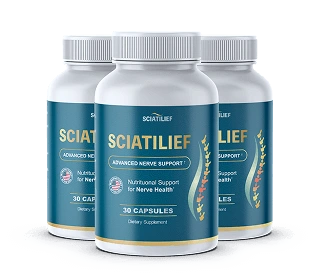
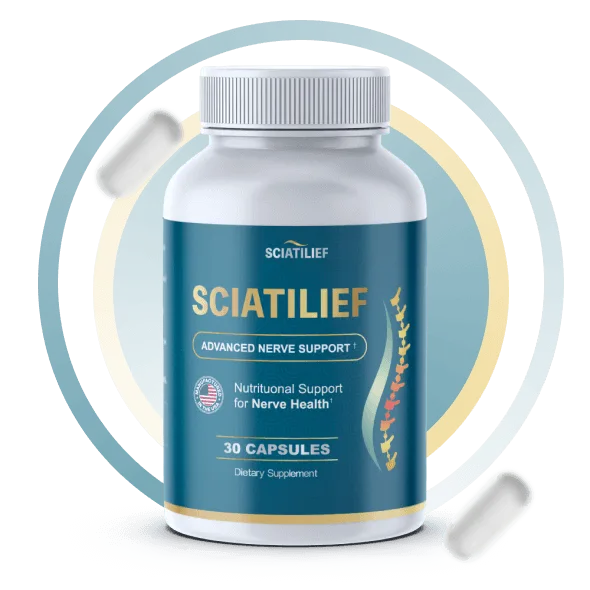
In the pursuit of natural relief, finding a comprehensive supplement that combines these beneficial ingredients can be a game-changer. SciatiLief is formulated to offer targeted support for nerve health and to alleviate the discomfort associated with herniated discs and sciatica.
SciatiLief brings together a synergistic blend of vitamins, minerals, and herbal extracts specifically chosen for their proven ability to reduce inflammation, protect nerve tissue, and support overall neurological function. It's designed to complement your holistic approach by providing concentrated doses of these vital nutrients, working to calm irritated nerves and promote a healthy inflammatory response.
By focusing on ingredients that address the underlying mechanisms of nerve pain – inflammation, oxidative stress, and nutrient deficiencies – SciatiLief aims to provide comprehensive relief, allowing you to experience reduced discomfort and improved mobility. It represents a carefully crafted natural option for those seeking to actively manage their herniated disc symptoms and enhance their nerve health. This blend of ingredients works holistically to support your body's innate healing capacity. To explore more about how to improve nerve health naturally, visit how-to-improve-nerve-health-naturally.html.
Key Ingredients in SciatiLief:
Vitamins B1, B6, B12
Role: Essential for nerve regeneration, myelin sheath maintenance, and reducing neuropathic pain symptoms. They support healthy nerve signal transmission.
Magnesium
Role: Helps relax muscles, regulate nerve function, and has anti-inflammatory properties that can soothe nerve irritation and reduce spasms.
Vitamin D
Role: Supports immune function, bone health, and plays a role in nerve regeneration and pain modulation, helping to reduce chronic pain perception.
Alpha-Lipoic Acid (ALA)
Role: A powerful antioxidant that protects nerves from oxidative damage, improves nerve conduction, and reduces neuropathic symptoms like burning and tingling.
Turmeric (Curcumin)
Role: A potent natural anti-inflammatory and antioxidant, effectively reducing swelling and pain around compressed nerves.
Boswellia Serrata
Role: Contains boswellic acids that target inflammatory enzymes, helping to reduce pain and inflammation in spinal tissues and joints.
MSM (Methylsulfonylmethane)
Role: Reduces inflammation and pain, supports the health of connective tissues, and can improve flexibility in affected areas.
GABA & L-Theanine
Role: Neurotransmitters and amino acids that help calm overactive nerves, reduce anxiety, and improve sleep quality, which is vital for pain management and healing.
Other Complementary Therapies for Comprehensive Sciatica Relief
While diet, lifestyle, and targeted supplements form a strong foundation, integrating other complementary therapies can provide multi-modal relief and accelerate recovery from herniated disc pain and sciatica.
Physical Therapy and Rehabilitation
A cornerstone of non-surgical management, physical therapy offers personalized exercise programs designed to strengthen core muscles, improve spinal flexibility, and correct postural imbalances. A skilled physical therapist can teach you proper body mechanics, stretches to decompress nerves, and exercises to stabilize your spine, preventing future injury. This active approach empowers you to take control of your recovery and build resilience.
Chiropractic Care
Chiropractic adjustments aim to restore proper alignment to the spine, which can alleviate pressure on compressed nerves. By gently realigning vertebrae, chiropractors can improve spinal mobility and reduce nerve irritation. This therapy is often sought for its immediate pain relief benefits and its focus on restoring the body's natural structure and function.
Acupuncture
An ancient Chinese medicine technique, acupuncture involves inserting thin needles into specific points on the body. It is believed to stimulate the body's natural pain-relieving chemicals (endorphins) and influence nerve pathways, reducing pain and inflammation. Many individuals report significant relief from sciatica and chronic back pain through regular acupuncture sessions.
Massage Therapy
Therapeutic massage can help relax tense muscles in the back, buttocks, and legs that often tighten in response to disc pain and sciatica. By reducing muscle spasms and improving circulation, massage can alleviate pressure on the sciatic nerve, enhance tissue healing, and promote overall relaxation, contributing to pain reduction.
Mind-Body Practices (Yoga, Pilates, Tai Chi)
These practices combine physical postures, breathing techniques, and meditation to improve flexibility, strength, balance, and mental well-being. Modified yoga or Pilates can strengthen the core and improve spinal alignment without putting undue stress on the discs. Tai Chi, with its slow, flowing movements, can enhance balance and reduce stress, both crucial for managing chronic pain.
When to Seek Medical Attention: Recognizing Red Flags
While natural approaches are highly effective for many, it's crucial to know when medical intervention is necessary. Certain symptoms warrant immediate medical evaluation to prevent potential long-term complications.
Always consult your doctor if you experience:
- Sudden or severe weakness in your leg or foot.
- Bowel or bladder dysfunction (difficulty controlling urination or bowel movements), which could indicate a serious condition called cauda equina syndrome.
- Numbness or weakness that is rapidly progressing.
- Pain that worsens significantly despite rest and conservative measures.
- Pain following a severe injury, such as a fall or car accident.
- Fever, chills, or unexplained weight loss accompanying back pain, which could signal an underlying infection or other serious condition.
These "red flag" symptoms indicate a potential medical emergency and should not be ignored. Your doctor can accurately diagnose the issue and recommend the most appropriate course of treatment, which may include advanced imaging, medications, or surgical consultation.
Experience the Difference with SciatiLief: Your Natural Partner for Nerve Support
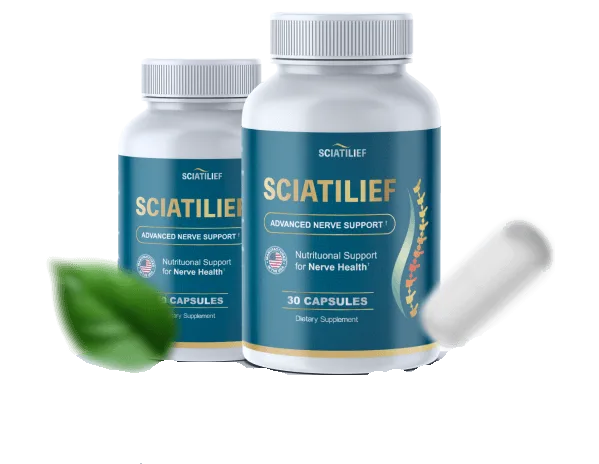
Don't let herniated disc pain and sciatica dictate your life any longer. SciatiLief offers a meticulously crafted blend of nature's most powerful ingredients, designed to deliver targeted nerve support and inflammation relief. By choosing SciatiLief, you're embracing a natural path to comfort and mobility, complementing your holistic health journey.
- ✓ Advanced Nerve Support Formula
- ✓ Reduces Inflammation & Pain
- ✓ Promotes Nerve Regeneration & Health
- ✓ 100% Natural & GMP Certified
- ✓ Backed by a 60-Day Money-Back Guarantee




Hear From Those Who Found Relief
"For months, my herniated disc made every step agony. I was skeptical about natural remedies, but SciatiLief truly made a difference. The radiating pain in my leg has significantly lessened, and I can finally enjoy walks again. It's been a lifesaver."
"I've tried everything for my sciatica, from physical therapy to injections. SciatiLief was recommended by a friend, and I'm so glad I gave it a shot. My nerve pain is much more manageable, and I feel a noticeable reduction in the constant tingling. Highly recommend!"
"Living with a herniated disc meant sacrificing so much. Since incorporating SciatiLief into my daily routine, along with my stretching, I've experienced less inflammation and better sleep. The natural ingredients really seem to be working in harmony to support my nerves."
Frequently Asked Questions
What is a herniated disc and how does it cause sciatica?
+A herniated disc occurs when the soft, gel-like center of a spinal disc pushes through a tear in its tougher outer layer, often compressing nearby nerves. When this compression affects the sciatic nerve, which runs from the lower back down each leg, it results in sciatica. Symptoms typically include radiating pain, numbness, tingling, or weakness in the leg and foot, often intensified by certain movements.
Can diet and lifestyle changes truly help with disc pain?
+Absolutely. Diet and lifestyle play a crucial role in managing disc pain and promoting spinal health. An anti-inflammatory diet rich in omega-3s, fruits, and vegetables can reduce systemic inflammation that exacerbates pain. Regular, gentle exercise strengthens core muscles, improves flexibility, and supports spinal alignment. Maintaining a healthy weight reduces pressure on discs, and stress management techniques can lower pain perception. These integrated approaches can significantly alleviate symptoms and support long-term recovery.
Which vitamins are most important for nerve health and recovery?
+Several vitamins are critical for optimal nerve health and can aid in recovery from nerve compression. B vitamins, particularly B1 (thiamine), B6 (pyridoxine), and B12 (cobalamin), are vital for nerve regeneration, myelin sheath maintenance, and neurotransmitter function. Magnesium helps with nerve signal transmission and muscle relaxation, while Vitamin D is crucial for bone health and has anti-inflammatory properties that can support nerve tissue. Antioxidants like Alpha-Lipoic Acid also protect nerves from oxidative damage.
How do natural supplements like SciatiLief support nerve function?
+Natural supplements like SciatiLief are formulated to provide targeted nutritional support for nerve health and pain management. They typically combine key vitamins, minerals, and herbal extracts known for their anti-inflammatory, neuroprotective, and pain-modulating properties. For instance, ingredients like Turmeric, Boswellia, and MSM work to reduce inflammation around compressed nerves, while B vitamins and Alpha-Lipoic Acid support nerve repair and function. This synergistic blend aims to calm nerve irritation and promote overall nerve well-being.
Is SciatiLief safe to take with other medications?
+While SciatiLief is formulated with natural ingredients, it's crucial to consult your physician or a qualified healthcare professional before starting any new supplement, especially if you are currently taking other medications or have underlying health conditions. Some natural ingredients can interact with prescription drugs or have contraindications. Your doctor can provide personalized advice based on your specific health profile and medication regimen to ensure safety and avoid potential interactions.
What are some other natural therapies for herniated disc pain?
+Beyond vitamins and supplements, several natural therapies can complement a holistic approach to herniated disc pain. These include physical therapy, which provides targeted exercises and stretches to strengthen the back and improve flexibility; chiropractic care for spinal alignment; acupuncture for pain relief and nerve stimulation; massage therapy to relax tense muscles; and mind-body practices like yoga or meditation to reduce stress and improve pain coping mechanisms. Combining these methods can offer comprehensive relief.
Related Articles