Feeling the Chill? Is Winter Making Your Sciatica Agony Even Worse?
As the days grow shorter and the temperatures drop, many individuals living with sciatica or chronic nerve pain notice a significant increase in their discomfort. The crisp winter air, while beautiful, often brings with it a host of challenges for those managing neurological conditions, leading to questions about the direct link between cold weather and exacerbated pain.
If you find yourself dreading the winter months due to intensified sciatic nerve pain, you're not alone. This comprehensive guide will delve into the scientific explanations behind why cold weather can worsen sciatica, provide practical winter tips for managing your symptoms, and introduce you to proactive strategies and effective support to help you navigate the colder season with greater comfort and mobility.

The Cold Truth: Why Sciatica Flares Up in Winter
Understanding the physiological mechanisms behind increased sciatica pain in cold weather is the first step towards effective management. It's not just a feeling; there are tangible reasons why your body reacts differently to lower temperatures.
The sciatic nerve, the longest and thickest nerve in the human body, runs from the lower back through the hips and buttocks and down each leg. When this nerve becomes compressed, irritated, or inflamed, it results in sciatica – a condition characterized by pain, numbness, tingling, or weakness in the affected limb. During winter, several factors conspire to make this condition particularly troublesome.
One primary culprit is the effect of cold on our muscles and connective tissues. When exposed to cold, muscles tend to contract and stiffen. This involuntary tightening, particularly in the lower back, glutes, and hamstrings, can increase pressure on the sciatic nerve. Imagine your muscles as a protective cushion around the nerve; in cold weather, this cushion can become rigid, squeezing the nerve and intensifying pain. This muscular tension can also lead to spasms, which are acutely painful and further irritate the nerve pathway.
Another significant factor is the change in barometric pressure. While the exact link is still being researched, many individuals with chronic pain, including sciatica, report increased discomfort when atmospheric pressure drops, which often occurs before or during cold fronts. This change in pressure may cause tissues around joints and nerves to expand slightly, leading to increased pressure on already sensitive nerves.
Furthermore, cold weather can lead to reduced blood circulation to extremities. Blood flow helps deliver oxygen and nutrients to tissues and removes waste products. When circulation is compromised due to vasoconstriction (narrowing of blood vessels in response to cold), nerves and surrounding tissues may not receive adequate supply, potentially exacerbating inflammation and pain signals. This reduced circulation can also slow down the healing process for any existing nerve damage or irritation.
Lastly, lifestyle changes inherently linked to winter play a role. People tend to be less physically active, spend more time indoors, and may adopt more sedentary habits. This lack of movement can lead to muscle weakness, stiffness, and poor posture, all of which contribute to sciatic nerve irritation. Moreover, the risk of slips and falls on icy surfaces increases, which can result in sudden movements or injuries that trigger a sciatica flare-up.
💡 Key Takeaway
Cold weather exacerbates sciatica primarily by causing muscle stiffness and spasms, increasing pressure on the sciatic nerve, affecting blood circulation, and potentially influencing pain perception through barometric pressure changes. Reduced physical activity in winter also contributes to worsening symptoms.
Common Winter Triggers for Sciatica Flare-Ups
Beyond the direct physiological responses to cold, several common winter activities and environmental factors can specifically provoke or worsen sciatica. Being aware of these triggers can help you take preventative measures.
Muscle Stiffness & Spasms
Cold temperatures cause muscles to contract, reducing flexibility and increasing tension around the sciatic nerve. This can lead to painful spasms, especially in the glutes and lower back, directly compressing the nerve.
Changes in Barometric Pressure
Fluctuations in atmospheric pressure, common during cold fronts, can cause tissues to expand or contract, potentially increasing pressure on nerves and joints, leading to heightened pain sensitivity.
Reduced Blood Circulation
The body constricts blood vessels in cold to conserve heat, which can decrease blood flow to the sciatic nerve. This lack of oxygen and nutrients can worsen inflammation and nerve function, amplifying pain.
Decreased Physical Activity
Sedentary lifestyles during winter lead to muscle deconditioning and stiffness. Lack of movement can reduce spinal flexibility and core strength, making the sciatic nerve more vulnerable to compression and irritation.
Heavy Lifting & Shoveling
Activities like shoveling snow involve repetitive bending, twisting, and lifting, which can place immense strain on the lower back and directly trigger or exacerbate sciatica, especially without proper form or warm-up.
Inadequate Footwear & Falls
Slippery surfaces and inappropriate footwear can lead to falls or awkward movements, causing sudden jolts or injuries to the spine and pelvis that can directly irritate the sciatic nerve.
Essential Winter Tips for Sciatica Relief
Managing sciatica in winter requires a proactive approach that combines warmth, movement, and smart lifestyle choices. Incorporating these tips into your daily routine can make a significant difference in your comfort levels.
The cornerstone of winter sciatica management is **keeping warm**. This sounds simple, but its impact is profound. Dress in layers, using thermal underwear, insulated pants, and a warm jacket. Pay particular attention to keeping your lower back and gluteal muscles warm. A warm hat, gloves, and thick socks are also vital to maintain overall body temperature and improve circulation to extremities. Consider using heated car seats, electric blankets, or portable heating pads when stationary for extended periods.
Stay active, but smartly. While the temptation to hibernate is strong, prolonged inactivity can worsen stiffness and pain. Opt for indoor exercises like walking on a treadmill, swimming in a heated pool, or gentle yoga and Pilates. Regular, low-impact movement helps maintain muscle flexibility, strengthens core support, and improves blood flow to the nerves. Even short, frequent walks around the house can be beneficial. For specific exercises, you might find our article on sciatic nerve pain exercises helpful.
Maintain good posture. Whether you're sitting at a desk, driving, or standing, proper posture minimizes strain on your spine and sciatic nerve. Use ergonomic chairs, lumbar support cushions, and adjust your workstation to promote a neutral spine. Avoid prolonged sitting; take frequent breaks to stand up and stretch. If your sciatica is often triggered by sitting, you may benefit from reading about sciatica caused by sitting too long.
Hydration and nutrition are key. Staying well-hydrated is crucial for joint health and muscle function. Dehydration can contribute to muscle cramps and stiffness. A diet rich in anti-inflammatory foods (like fruits, vegetables, lean proteins, and omega-3 fatty acids) can help reduce systemic inflammation that might exacerbate nerve pain. Consider supplements that support nerve health, which we'll discuss further.
Practice safe lifting and movement. If you must engage in activities like shoveling snow, do so with extreme caution. Warm up thoroughly beforehand, use proper lifting techniques (bend your knees, keep your back straight, lift with your legs), and take frequent breaks. Consider hiring help for heavy tasks or using a snow blower to minimize physical strain. Always wear appropriate, non-slip footwear to prevent falls on icy surfaces.
The Role of Supplements in Winter Sciatica Management
While lifestyle adjustments are foundational, certain nutritional supplements can provide targeted support for nerve health and inflammation, offering an additional layer of defense against winter sciatica flare-ups. These supplements work by addressing the underlying mechanisms of nerve pain and promoting overall neurological well-being.
Nerve Protection & Regeneration
Some supplements contain compounds that act as powerful antioxidants, protecting delicate nerve cells from damage caused by oxidative stress. Others provide essential nutrients that support the repair and regeneration of nerve fibers, crucial for long-term relief.
Inflammation Reduction
Chronic inflammation is a major contributor to sciatic nerve pain. Key natural ingredients can help to modulate the body's inflammatory response, reducing swelling and irritation around the nerve, thereby alleviating discomfort.
Improved Blood Flow
Certain supplements can support healthy circulation, ensuring that the sciatic nerve and surrounding tissues receive adequate oxygen and nutrients, which is especially important when cold temperatures tend to restrict blood vessels.
Enhanced Nerve Signaling
Vitamins and compounds vital for neurological function can improve the efficiency of nerve signal transmission. This can help reduce neuropathic pain symptoms like tingling, numbness, and burning sensations by promoting healthier nerve communication.
Muscle Relaxation & Spasm Relief
Ingredients like magnesium play a crucial role in muscle relaxation. By ensuring muscles can properly relax, these supplements can help reduce the tension and spasms that often compress the sciatic nerve in cold conditions.
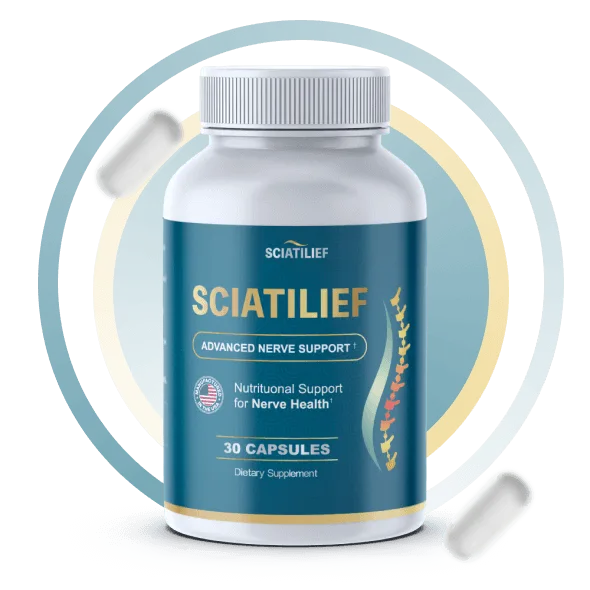
Introducing SciatiLief: A Natural Approach to Nerve Pain Support
While managing winter sciatica requires a multi-faceted approach, incorporating a targeted supplement like SciatiLief can offer comprehensive support for nerve health and comfort, especially when the cold makes symptoms more challenging.
SciatiLief is an advanced, all-natural dietary supplement formulated to address the root causes of sciatica and nerve pain. It brings together a powerful blend of vitamins, minerals, and herbal extracts, each chosen for its clinically supported role in promoting neurological health, reducing inflammation, and protecting nerve cells. Designed to be a daily support system, SciatiLief aims to help you navigate not just the winter months, but all seasons with greater ease and less discomfort.
Unlike temporary pain relievers that only mask symptoms, SciatiLief focuses on nourishing and supporting the sciatic nerve and surrounding tissues, working to improve nerve function and reduce irritation over time. This holistic approach makes it a valuable addition to your winter wellness regimen, helping your body build resilience against the environmental factors that can exacerbate nerve pain.
Key Ingredients in SciatiLief for Nerve Support
SciatiLief's effectiveness stems from its carefully selected blend of ingredients. Here's a look at some of the core components and how they contribute to nerve health and pain relief, particularly relevant for cold weather challenges.
Alpha Lipoic Acid (ALA)
Role: A potent antioxidant that can penetrate both fat and water-soluble tissues, protecting nerve cells from oxidative damage. It's crucial for energy production within nerve cells and has been shown to improve nerve function and reduce neuropathic pain. For more on this, see our article on Alpha Lipoic Acid & Nerve Pain.
Acetyl-L-Carnitine (ALCAR)
Role: An amino acid that supports nerve regeneration and repair. ALCAR helps improve mitochondrial function in nerve cells, providing the energy needed for healthy nerve transmission and protecting against nerve damage, making it invaluable for chronic nerve pain.
Turmeric (Curcumin)
Role: A powerful natural anti-inflammatory compound. Curcumin, the active ingredient in turmeric, helps reduce systemic inflammation that contributes to nerve irritation and pain. Its antioxidant properties also support overall cellular health.
Benfotiamine (Vitamin B1)
Role: A fat-soluble form of Vitamin B1, Benfotiamine is more bioavailable than traditional thiamine. It helps prevent nerve damage caused by high blood sugar levels and supports nerve cell metabolism, significantly reducing neuropathic pain and improving nerve function.
Methylcobalamin (Vitamin B12)
Role: The active form of Vitamin B12, essential for nerve health, myelin sheath formation (the protective covering of nerves), and nerve regeneration. B12 deficiency can lead to significant nerve damage and pain, making supplementation crucial.
Pyridoxine HCl (Vitamin B6)
Role: Vital for neurotransmitter synthesis and overall nerve function. B6 plays a role in reducing inflammation and pain signals, contributing to the healthy functioning of the peripheral nervous system.
Magnesium
Role: An essential mineral involved in over 300 bodily functions, including muscle relaxation and nerve transmission. Magnesium helps prevent muscle cramps and spasms, which can alleviate pressure on the sciatic nerve, and supports healthy nerve signaling.
Feverfew Extract
Role: Traditionally used for its anti-inflammatory and pain-relieving properties. Feverfew helps to calm nerve irritation and reduce the sensation of pain, offering natural relief for various discomforts.
Beyond Supplements: Holistic Winter Wellness for Sciatica
While SciatiLief offers targeted support, a holistic approach combining various strategies is most effective for managing sciatica during winter. Integrating these practices into your daily life can significantly improve your quality of life.
Heat Therapy: This is your best friend in cold weather. Use warm baths, hot showers, heating pads, or even warm compresses on your lower back and glutes. Heat helps increase blood flow, relax tense muscles, and soothe irritated nerves. Contrast therapy, alternating warm and cool compresses, can also stimulate circulation and reduce inflammation.
Mind-Body Techniques: Chronic pain can take a toll on mental health, and stress can exacerbate pain perception. Incorporate stress-reduction techniques like meditation, deep breathing exercises, or gentle mindfulness into your routine. These practices can help manage your body's pain response and promote a sense of calm.
Adequate Sleep: Quality sleep is crucial for the body's healing processes and pain management. Ensure your sleeping environment is warm and comfortable. Use a supportive mattress and pillows that maintain proper spinal alignment. Aim for 7-9 hours of uninterrupted sleep each night.
Stay Hydrated: Drinking plenty of water is important for overall health, including the health of your spinal discs and connective tissues. Dehydration can lead to muscle cramps and stiffness, which can worsen sciatica. Herbal teas can also contribute to hydration while providing warmth.
Professional Guidance: Don't hesitate to consult with healthcare professionals. A physical therapist can provide personalized exercise routines and posture correction. A chiropractor may help with spinal alignment. Your doctor can assess your condition, rule out other issues, and discuss pain management options, including medication if necessary. Regular check-ups are especially important if your pain is severe, persistent, or accompanied by weakness or numbness.
By combining the targeted support of a supplement like SciatiLief with these comprehensive winter wellness strategies, you can create a robust defense against the challenges that cold weather poses to your sciatic nerve health. Embrace a proactive mindset, listen to your body, and take consistent steps towards comfort and mobility, regardless of the season.
Find Your Relief This Winter with SciatiLief
Don't let the cold dictate your comfort. SciatiLief offers a targeted blend of natural ingredients designed to support nerve health and ease discomfort, empowering you to enjoy the winter months without constant pain.
- ✓ Supports Healthy Nerve Function
- ✓ Reduces Inflammation & Discomfort
- ✓ Promotes Nerve Regeneration
- ✓ Packed with Potent Antioxidants
- ✓ Made with All-Natural, Clinically Backed Ingredients




What Our Customers Say About SciatiLief
"Winter used to be my worst nightmare for sciatica. SciatiLief has been a game-changer. I feel less stiffness and the sharp pains are much more manageable. I can actually enjoy walks again!"
"I was skeptical, but the cold weather really made my nerve pain unbearable. After a month on SciatiLief, I noticed a significant difference. My legs feel less tingly and I have more energy. Highly recommend!"
"This supplement has truly helped me manage my sciatica through the colder months. I used to dread stepping outside, but now I feel much more comfortable. It's become a staple in my daily routine."
Frequently Asked Questions
Why does my sciatica seem to get worse in cold weather?
+Cold weather can exacerbate sciatica symptoms through several mechanisms. Lower temperatures can cause muscles to tense and spasm, increasing pressure on the sciatic nerve. Additionally, changes in barometric pressure, reduced blood flow to the affected area, and decreased physical activity during winter months can all contribute to heightened nerve pain and discomfort. The cold can also increase the viscosity of synovial fluid in joints, making movement more difficult and potentially irritating the nerve.
What are immediate steps I can take to relieve winter sciatica pain?
+For immediate relief, focus on warmth and gentle movement. Apply heat packs to the lower back or gluteal area to relax tense muscles. Dress in layers to keep your core body temperature stable. Engage in light stretching or walking to improve blood circulation and reduce stiffness. Over-the-counter pain relievers (like NSAIDs, if suitable for you) can also help manage acute pain. Avoid prolonged sitting or standing in cold environments.
Are there specific exercises recommended for sciatica relief during winter?
+Yes, gentle, consistent exercise is crucial. Focus on low-impact activities that improve flexibility and strengthen core muscles without straining the back. Examples include walking indoors on a treadmill, swimming in a heated pool, yoga, or Pilates. Specific stretches like knee-to-chest, piriformis stretch, and seated spinal twists can also be beneficial. Always warm up thoroughly before exercising and cool down afterward. For more detailed guidance, consider exploring our article on sciatic nerve pain exercises.
How does SciatiLief help with cold-related nerve pain?
+SciatiLief is formulated with a blend of natural ingredients known for their nerve-supporting and anti-inflammatory properties. Ingredients like Alpha Lipoic Acid and Acetyl-L-Carnitine help protect nerve cells and promote nerve regeneration, while powerful antioxidants like Turmeric address inflammation. Benfotiamine (a fat-soluble B1) and other B vitamins support overall nerve function and reduce neuropathic pain. By nourishing the nerves and reducing inflammation, SciatiLief can help mitigate the heightened sensitivity and discomfort often experienced in colder temperatures, offering comprehensive support for nerve health.
Is SciatiLief safe to take with other medications or supplements?
+SciatiLief is made with natural ingredients, but it's always essential to consult with your healthcare provider before starting any new supplement, especially if you are taking other medications or have pre-existing medical conditions. While generally well-tolerated, some ingredients may interact with certain drugs or have contraindications. Your doctor can provide personalized advice based on your health profile and current treatment plan.
How long does it typically take to experience results with SciatiLief?
+Individual results can vary depending on the severity and duration of sciatica, as well as individual body responses. Many users report noticeable improvements in discomfort and nerve sensitivity within a few weeks of consistent use. For optimal and long-lasting benefits, it is generally recommended to take SciatiLief consistently for at least 60-90 days. Remember, SciatiLief works to support nerve health over time, so consistency is key.
Related Articles