Are you seeking quick and effective relief from debilitating sciatic nerve pain?
Sciatica, characterized by pain radiating along the sciatic nerve pathway, can be an incredibly disruptive and painful condition. It often begins in the lower back and travels down through the buttock and leg, sometimes even into the foot. For many, the discomfort can range from a mild ache to a sharp, burning sensation or excruciating pain, making everyday activities a challenge.
The good news is that for the majority of individuals, sciatic nerve pain can be effectively managed and significantly reduced through non-surgical methods, with specific exercises playing a pivotal role. This comprehensive guide will walk you through targeted movements and gentle stretches designed to provide immediate relief by decompressing the nerve and easing muscle tension, alongside strategies for long-term prevention and comfort.

Understanding Sciatica: What It Is and Why It Hurts
Before diving into relief strategies, it's essential to grasp the basics of sciatica. This condition isn't a diagnosis in itself but rather a symptom of an underlying problem affecting the sciatic nerve.
The **sciatic nerve** is the longest and thickest nerve in the human body, originating from nerve roots in the lower back (L4 to S3), running through the buttocks, and extending down the back of each leg, eventually branching into smaller nerves that reach the feet. When this nerve becomes compressed, irritated, or inflamed, it leads to the characteristic symptoms of sciatica.
Common Causes of Sciatica and Nerve Pain
Several factors can lead to sciatica, but the most common culprits include:
- Herniated or Slipped Disc: This is the most frequent cause, where the soft inner material of a spinal disc pushes out through a tear in its tough exterior, pressing on a nerve root.
- Spinal Stenosis: A narrowing of the spinal canal, often due to aging, which can put pressure on the spinal cord and nerve roots.
- Piriformis Syndrome: The piriformis muscle, located deep in the buttock, can sometimes spasm or tighten, compressing the sciatic nerve that runs either through or beneath it. For more detailed information, consider reading our article on Piriformis Syndrome Supplement Support.
- Spondylolisthesis: A condition where one vertebra slips forward over another, leading to nerve compression.
- Degenerative Disc Disease: The natural wear and tear of spinal discs can cause them to thin and lose their cushioning ability, potentially leading to nerve irritation.
- Injury or Trauma: Direct injury to the lower back or pelvis can also lead to sciatica.
Recognizing the Symptoms
Sciatic pain typically affects only one side of the body, though in rare cases, both legs can be affected. Symptoms can include:
- **Constant pain** in one side of the buttock or leg.
- Pain that is **worse when sitting**.
- **Burning or tingling** down the leg.
- **Weakness, numbness, or difficulty moving** the leg or foot.
- A **sharp pain** that makes it difficult to stand up or walk.
- Pain that radiates down the leg and potentially into the foot, often following a specific nerve pathway.
Understanding these causes and symptoms is the first step towards effective management. The next step involves strategic, targeted movements that can provide relief.
💡 Key Takeaway
Sciatica is nerve pain originating from the lower back, often caused by disc issues or muscle compression. While symptoms can be severe, targeted exercises are a primary, non-surgical approach to decompress the sciatic nerve and alleviate pain effectively.
The Power of Movement: Why Exercises are Crucial for Sciatic Relief
It might seem counterintuitive to move when you're in pain, but for sciatica, **rest can often make things worse**. Prolonged inactivity can lead to muscle stiffness, weakness, and decreased flexibility, which can further aggravate the sciatic nerve. Conversely, specific exercises can be incredibly therapeutic.
Engaging in the right kind of physical activity offers multiple benefits for sciatic nerve pain:
- Nerve Decompression: Stretches can help create space around the nerve roots in the spine, reducing direct pressure on the sciatic nerve.
- Improved Flexibility: Tight muscles in the lower back, buttocks, and hamstrings can pull on the pelvis and spine, increasing nerve compression. Stretching these areas improves flexibility and reduces tension.
- Strengthened Core and Back Muscles: A strong core and supportive back muscles provide stability to the spine, reducing the likelihood of future nerve irritation.
- Enhanced Blood Flow: Movement promotes circulation, which can help deliver essential nutrients to damaged tissues and aid in the healing process.
- Reduced Inflammation: Gentle movement can help reduce the inflammatory response around the irritated nerve.
- Pain Modulation: Exercise can stimulate the release of endorphins, natural painkillers, and improve overall mood, which is vital when dealing with chronic pain.
The key is to perform exercises gently and consistently, always listening to your body. Never push into pain. If an exercise causes increased pain, stop immediately and consult a healthcare professional.
Immediate Relief Exercises for Sciatic Nerve Pain
These exercises are designed to gently stretch tight muscles, decompress the spine, and alleviate pressure on the sciatic nerve, offering prompt relief. Perform them slowly and with controlled movements.
Knee-to-Chest Stretch (Single Leg)
This stretch gently flexes the lower spine and stretches the gluteal muscles, which can relieve pressure on the sciatic nerve. Lie on your back with both knees bent, feet flat on the floor. Gently pull one knee towards your chest, holding it with both hands. Hold for 20-30 seconds, then release. Repeat 2-3 times per leg. Ensure your lower back remains flat on the floor.
Piriformis Stretch (Supine or Seated)
The piriformis muscle can compress the sciatic nerve. A supine piriformis stretch involves lying on your back, bending both knees, and placing the ankle of the affected leg over the opposite knee (figure-four position). Gently pull the unaffected knee towards your chest until you feel a stretch in the buttock of the affected leg. Hold 20-30 seconds, 2-3 times per side. For a seated version, sit on a chair, place the ankle of the affected leg on the opposite knee, and lean forward slightly, keeping your back straight.
Seated Spinal Twist
This gentle twist can help mobilize the spine and release tension in the lower back. Sit on the floor with your legs extended. Bend your right knee and place your right foot flat on the floor outside your left knee. Place your left elbow on your right knee and gently twist your torso to the right, looking over your right shoulder. Hold for 20-30 seconds, then switch sides. Remember to breathe deeply and avoid forceful twisting.
Pelvic Tilts
Pelvic tilts strengthen core muscles and improve lower back mobility without putting excessive strain on the spine. Lie on your back with knees bent and feet flat on the floor, hip-width apart. Flatten your lower back against the floor by tightening your abdominal muscles and gently tilting your pelvis upwards. Hold for 5-10 seconds, then release. Repeat 10-15 times. This helps to gently decompress the lumbar spine.
Modified Cobra Stretch (Prone Extension)
This gentle back extension can help centralize pain for some types of disc-related sciatica. Lie on your stomach, propped up on your elbows, keeping your hips on the floor. If comfortable, you can gently press up onto your hands, lifting your chest further, but only go as far as feels comfortable and pain-free. Hold for 15-30 seconds. This helps to gently reverse the spinal flexion that often exacerbates disc problems.
Cat-Cow Stretch
A fantastic warm-up and mobility exercise for the entire spine. Start on your hands and knees, with hands directly under shoulders and knees under hips. As you inhale, drop your belly towards the floor, lift your head and tailbone (Cow pose). As you exhale, round your spine towards the ceiling, tuck your chin and tailbone (Cat pose). Flow gently between these two positions for 10-15 repetitions, synchronizing with your breath.
Nerve Glides (Sciatic Nerve Floss)
Nerve glides are specific movements designed to gently move the sciatic nerve through its pathway, reducing adhesions and improving its mobility. Sit upright on a chair, feet flat. Extend one leg straight, flexing your foot so your toes point up. Gently tilt your head back. Then, lower your foot to the floor and tuck your chin to your chest. Alternate between these two positions slowly and smoothly, 10-15 times per leg. Do not push into pain, only floss to the point of gentle sensation.
Strengthening Exercises for Long-Term Sciatica Prevention
While stretching provides immediate relief, strengthening your core and gluteal muscles is crucial for preventing future sciatic flare-ups. These exercises stabilize your spine and provide better support for your lower back.
- **Bird-Dog:** Start on hands and knees. Extend your right arm forward and your left leg straight back, keeping your core engaged and hips level. Hold for a few seconds, then return to the start. Alternate sides for 10-15 repetitions per side. This strengthens the core and lower back.
- **Bridge:** Lie on your back with knees bent, feet flat, hip-width apart. Engage your glutes and lift your hips off the floor until your body forms a straight line from shoulders to knees. Hold for 5-10 seconds, then slowly lower. Repeat 10-15 times. Excellent for glute and core strength.
- **Clamshells:** Lie on your side with knees bent, one leg stacked on top of the other. Keep your feet together and open your top knee like a clamshell, engaging your glute muscles. Slowly lower. Repeat 10-15 times per side. Targets hip abductors and glutes, crucial for pelvic stability.
- **Wall Sits (Gentle):** Lean your back against a wall, then slide down until your knees are bent at about a 45-degree angle (not 90 degrees initially if painful). Hold for 15-30 seconds. This builds quadriceps and glute strength without spinal loading.
Consistency in both stretching and strengthening is paramount. Integrate these exercises into your daily or weekly routine for the best long-term outcomes.
Complementary Strategies for Sciatic Nerve Pain Management
Beyond exercises, several lifestyle adjustments and complementary therapies can significantly contribute to managing sciatic nerve pain and preventing its recurrence.
Maintain Proper Posture
Poor posture, especially prolonged sitting or standing, can exacerbate sciatic pain. Ensure your workstation is ergonomic, with your feet flat on the floor, knees at a 90-degree angle, and lower back supported. When standing, distribute your weight evenly and avoid slouching.
Heat and Cold Therapy
Applying ice packs to the affected area (lower back or buttock) for 15-20 minutes several times a day can help reduce inflammation during acute flare-ups. After a few days, switch to heat therapy (heating pad or warm bath) to relax tight muscles and improve blood flow.
Stay Active and Avoid Prolonged Sitting
Even with pain, it's important to keep moving. Take short walks, stand up, and stretch every 30 minutes if you have a sedentary job. Avoiding prolonged static positions can prevent stiffness and nerve compression.
Manage Your Weight
Excess body weight, particularly around the abdomen, can put additional strain on your lower back and spine, increasing the risk and severity of sciatica. Maintaining a healthy weight through diet and exercise can significantly reduce this pressure.
Mindfulness and Stress Reduction
Chronic pain can be stressful, and stress itself can heighten pain perception and muscle tension. Practices like meditation, deep breathing exercises, and yoga can help manage stress, relax muscles, and improve your coping mechanisms for pain.
Sleep Posture
Sleep on your side with a pillow between your knees, or on your back with a pillow under your knees, to maintain proper spinal alignment. Avoid sleeping on your stomach, as this can put strain on your lower back.
When to Seek Professional Medical Help
While exercises and lifestyle adjustments are effective for many, it's crucial to know when to consult a healthcare professional. Seek immediate medical attention if you experience:
- **Sudden, severe pain** in your lower back or leg.
- **Numbness or muscle weakness** in the affected leg.
- **Loss of bowel or bladder control** (this is a rare but serious symptom known as cauda equina syndrome).
- Pain that **worsens or does not improve** after a few weeks of self-care and exercises.
- Sciatica that develops after a **violent injury**, such as a traffic accident.
A doctor can provide an accurate diagnosis, rule out more serious conditions, and recommend appropriate treatments, which may include physical therapy, medication, injections, or in rare cases, surgery.
The Role of Targeted Nutritional Support in Nerve Health
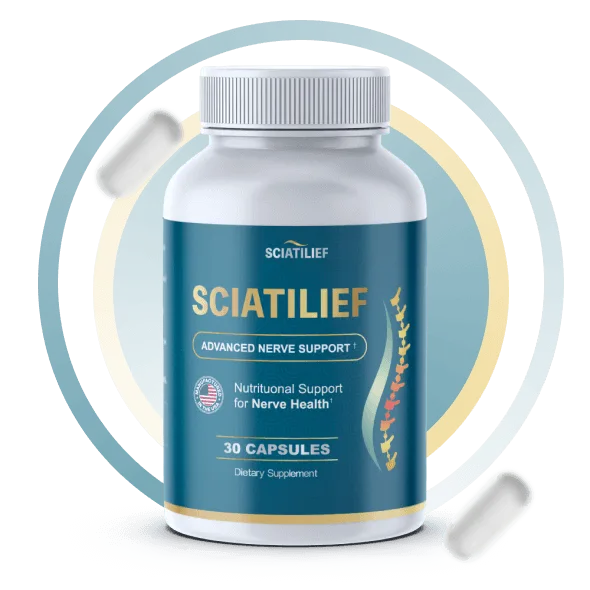
While exercises are foundational for immediate and long-term relief from sciatic nerve pain, supporting your body's natural healing processes with targeted nutrition can significantly enhance your recovery. Certain vitamins, minerals, and botanical extracts are known for their ability to promote nerve health, reduce inflammation, and alleviate neuropathic discomfort. This is where a specialized supplement like SciatiLief can play a crucial role as part of a comprehensive management plan.
SciatiLief is formulated with a blend of ingredients specifically chosen to address the underlying factors contributing to nerve pain and inflammation. For instance, ingredients like Alpha Lipoic Acid are renowned for their antioxidant properties and ability to reduce nerve pain, as discussed in our article, Alpha Lipoic Acid for Nerve Pain Supplement Support. Similarly, other components work synergistically to support nerve regeneration, improve nerve signal transmission, and combat oxidative stress.
By providing your body with essential nutrients, you can help fortify your nervous system, reduce the severity of symptoms, and potentially accelerate your journey back to comfort and mobility. Many individuals have found that combining therapeutic exercises with a high-quality nerve support supplement offers a more holistic and effective approach to managing sciatica. You can read more about user experiences and product effectiveness in our Sciatica Supplement Reviews.
Key Natural Ingredients in SciatiLief
SciatiLief incorporates a blend of scientifically-backed natural ingredients, each selected for its unique ability to support nerve health, reduce inflammation, and alleviate discomfort associated with sciatica and nerve pain. These ingredients work synergistically to provide comprehensive relief.
Acetyl-L-Carnitine (ALC)
Role: A powerful amino acid derivative that plays a crucial role in nerve regeneration and repair. It helps improve nerve conduction velocity and reduces neuropathic pain by protecting nerve cells from damage and promoting their healthy function. ALC also possesses antioxidant properties.
Alpha Lipoic Acid (ALA)
Role: A potent antioxidant that can penetrate both water and fat-soluble tissues, offering protection against oxidative stress for nerve cells. ALA is particularly effective in reducing nerve pain, numbness, and burning sensations often associated with nerve damage and sciatica. It helps improve blood flow to nerves.
Turmeric (Curcumin)
Role: Contains curcuminoids, powerful compounds known for their anti-inflammatory and antioxidant effects. Turmeric can significantly reduce inflammation around the sciatic nerve, thereby alleviating pain and swelling. It's a widely researched natural pain reliever.
Magnesium
Role: An essential mineral involved in over 300 biochemical reactions in the body, including muscle and nerve function. Magnesium helps relax muscles, prevent spasms, and supports healthy nerve signal transmission, which can be beneficial in reducing sciatic pain caused by muscle tension.
B Vitamins (B1, B6, B12)
Role: Crucial for maintaining the health and integrity of the nervous system. Vitamin B1 (Thiamine) aids nerve impulse transmission, B6 (Pyridoxine) supports neurotransmitter production, and B12 (Cobalamin) is vital for myelin sheath formation, protecting nerve fibers. Deficiencies can exacerbate nerve pain.
Ginger Root
Role: A well-known natural anti-inflammatory agent. Ginger contains bioactive compounds like gingerol that can help reduce systemic inflammation and pain, providing relief for irritated nerves and surrounding tissues.
Boswellia Serrata
Role: An ancient herbal extract with potent anti-inflammatory properties, primarily due to boswellic acids. It helps to inhibit inflammatory pathways in the body, which can significantly reduce swelling and pain associated with conditions like sciatica.
White Willow Bark
Role: Contains salicin, a compound similar to aspirin, which provides natural pain relief and anti-inflammatory effects. It can help alleviate acute and chronic pain associated with nerve irritation and muscular discomfort.
Feverfew
Role: Traditionally used for migraine relief, feverfew also exhibits anti-inflammatory properties that may help reduce nerve pain and discomfort. Its active compounds, parthenolides, contribute to its pain-relieving effects.
Passionflower Extract
Role: Known for its calming and sedative properties. Passionflower can help reduce anxiety and promote relaxation, which is beneficial for individuals experiencing chronic pain, as stress can often worsen nerve pain symptoms.
Valerian Root
Role: A natural muscle relaxant and sleep aid. Valerian root can help alleviate muscle spasms and tension in the lower back and legs that often contribute to sciatic nerve compression, promoting better rest and recovery.
Skullcap Extract
Role: Traditionally used as a nervine tonic, skullcap helps calm the nervous system and reduce nervous tension. It can be particularly useful in managing the discomfort and irritability associated with chronic nerve pain.
California Poppy
Role: Possesses mild analgesic and sedative properties. California poppy can help ease pain and promote relaxation, contributing to overall comfort and improved sleep quality for individuals dealing with persistent nerve pain.

Find Comprehensive Relief and Support for Your Sciatic Nerve Pain
While exercises provide crucial immediate relief, SciatiLief offers a complementary, natural approach to support overall nerve health, reduce inflammation, and enhance your recovery. Don't let sciatic pain control your life any longer. Combine the power of targeted exercises with SciatiLief's advanced formula for a holistic path to lasting comfort.
- Natural Ingredients for Nerve Health
- Reduces Inflammation & Discomfort
- Supports Healthy Nerve Function
- Non-Habit Forming Formula
- 60-Day Money-Back Guarantee




What Our Users Say
"After years of suffering, these exercises along with SciatiLief have been a game-changer. My pain is finally manageable and I feel like myself again!"
"I was skeptical, but the combination of these stretches and SciatiLief brought me immense relief. My mobility has drastically improved. Highly recommend!"
"My doctor suggested physical therapy, but I found these exercises online. Adding SciatiLief truly accelerated my recovery and reduced my reliance on pain meds."
Frequently Asked Questions
How quickly can these exercises provide relief?
+While individual results vary, many people experience some degree of relief almost immediately after performing gentle stretches. Consistent practice, however, is key for sustained and significant improvement. For acute flare-ups, combining exercises with rest and other therapies often yields the fastest results.
Are these exercises safe for everyone with sciatica?
+Most of the exercises described are generally safe for individuals experiencing mild to moderate sciatica. However, it is crucial to consult your doctor or a physical therapist before starting any new exercise regimen, especially if you have severe pain, underlying medical conditions, or a diagnosis of specific spinal issues. Stop immediately if any exercise increases your pain.
Should I continue exercises if I feel more pain?
+No. While some mild discomfort during stretching can be normal, exercises should never significantly increase your sciatic pain. If you experience sharp, shooting, or radiating pain during an exercise, stop immediately. This could indicate that the exercise is exacerbating your condition or being performed incorrectly. Consult a healthcare professional.
How often should I perform these sciatic nerve pain exercises?
+For immediate relief and long-term benefits, aim to perform these gentle stretches 1-2 times daily, especially when symptoms flare up or after prolonged sitting. For strengthening exercises, 3-4 times per week is often sufficient, allowing muscles time to recover. Consistency is more important than intensity.
Can SciatiLief replace these exercises?
+SciatiLief is a dietary supplement designed to support nerve health and reduce inflammation, complementing physical exercises and other treatments. It is not a replacement for therapeutic exercises, which are crucial for improving flexibility, strength, and nerve decompression. For optimal results, a multi-faceted approach combining exercises, lifestyle changes, and targeted supplementation like SciatiLief is often recommended.
What other lifestyle changes can complement these exercises?
+Alongside exercises, maintaining good posture, avoiding prolonged sitting, using ergonomic furniture, applying heat or cold packs, staying hydrated, managing stress, and maintaining a healthy weight can significantly complement your efforts to manage and prevent sciatic nerve pain. A holistic approach is always best.
Related Articles