Are you struggling to differentiate between spinal stenosis and sciatica symptoms?
Navigating chronic back and leg pain can be confusing, especially when symptoms overlap. Two of the most common culprits, spinal stenosis and sciatica, often present similar discomfort, making accurate self-diagnosis difficult. Understanding the fundamental differences is crucial for effective treatment and long-term relief.
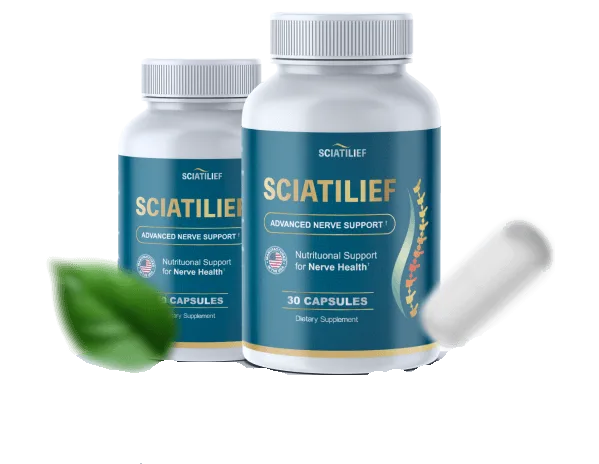
This in-depth guide, authored by Dr. Karen Lewis, a leading Neurological Health Researcher, will demystify these conditions, clarify their distinct characteristics, and explore a range of natural treatment options, including the role of advanced nerve support supplements like SciatiLief in managing discomfort.
Understanding the Basics: What Are Sciatica and Spinal Stenosis?
Before diving into the nuances, let's establish a clear understanding of each condition. Both involve nerve compression in the spine but differ significantly in their underlying causes and common symptom patterns.
Sciatica is not a diagnosis itself, but rather a term used to describe symptoms caused by the compression or irritation of the sciatic nerve. This nerve, the longest and widest in the human body, originates in the lower back, runs through the buttocks, and down each leg. When it's pinched or inflamed, it can cause a range of debilitating symptoms. The most common cause of sciatica is a herniated or bulging disc in the lumbar spine, which presses directly on the nerve root. Other less common causes include piriformis syndrome, spinal stenosis (which we'll discuss next), spondylolisthesis, or even tumors.
The hallmark of sciatica is pain that radiates from the lower back, through the buttock, and down the back of one leg. This pain can vary widely, from a mild ache to a sharp, burning sensation or excruciating discomfort. It might be accompanied by numbness, tingling, or muscle weakness in the affected leg or foot. Symptoms are often aggravated by prolonged sitting, coughing, sneezing, or sudden movements. While it typically affects only one side of the body, severe cases can sometimes present bilaterally.
Spinal Stenosis, on the other hand, is a condition characterized by the narrowing of the spinal canal, the bony tunnel through which the spinal cord and nerve roots pass. This narrowing can put pressure on the spinal cord and/or the nerves, leading to pain, numbness, tingling, or weakness. It can occur anywhere along the spine, but it's most common in the lumbar (lower back) and cervical (neck) regions.
The primary cause of spinal stenosis is often age-related degenerative changes in the spine, such as osteoarthritis. As we age, the discs can lose fluid and shrink, facet joints can enlarge, and bone spurs (osteophytes) can form. Ligaments within the spine can also thicken. All these changes can reduce the space available for the nerves. Unlike sciatica, which often has a sudden onset due to disc herniation, spinal stenosis typically develops gradually over time, with symptoms slowly worsening.
Lumbar spinal stenosis often leads to a condition known as neurogenic claudication, where individuals experience leg pain, cramping, or weakness, particularly when standing or walking. These symptoms are typically relieved by sitting down or leaning forward, which temporarily widens the spinal canal. This pattern of relief is a key differentiator from vascular claudication, which is caused by circulatory issues. While sciatica usually affects one leg, spinal stenosis can cause symptoms in both legs, though often asymmetrically.
💡 Key Takeaway
While both sciatica and spinal stenosis involve nerve compression and similar symptoms, sciatica is a symptom of nerve irritation (often from a herniated disc), whereas spinal stenosis is a structural narrowing of the spinal canal. Understanding these distinct origins is the first step towards effective, targeted relief.
Distinguishing Symptoms: Sciatica vs. Spinal Stenosis
Although their symptoms can overlap, paying close attention to specific characteristics can help you and your doctor differentiate between sciatica and spinal stenosis.
A crucial distinction lies in how activity affects the pain. For individuals with sciatica, pain often intensifies with prolonged sitting, bending, twisting, or movements that put pressure on the lower back, like coughing or sneezing. Relief might be found by lying down or changing positions. The pain typically follows a clear path down the back of the leg and is usually unilateral (affecting one side). It can feel like a sharp, shooting pain, electric shock, or a constant burning sensation. Muscle weakness or numbness often corresponds to the specific nerve root affected.
In contrast, spinal stenosis pain (neurogenic claudication) is classically aggravated by standing upright or walking, and significantly relieved by sitting, bending forward (like leaning over a shopping cart), or lying down. This "shopping cart sign" is a classic indicator. The pain, numbness, or tingling can affect both legs, though often one side more than the other. It tends to be a more diffuse ache, cramping, or heaviness in the legs, rather than a sharp, radiating pain. Balance issues and weakness in the legs are also common with spinal stenosis due to broader nerve compression. While sciatica pain can feel sudden and intense, spinal stenosis pain usually has a more gradual onset and progressive worsening over time.
Diagnostic Approaches: Confirming the Condition
Accurate diagnosis is paramount for effective treatment. A thorough medical history and physical examination are the initial steps. Your doctor will assess your reflexes, muscle strength, and sensation, and observe how certain movements affect your pain.
- Physical Examination: Specific tests, such as the Straight Leg Raise test for sciatica, can help identify nerve root irritation.
- Imaging Tests:
- X-rays can show bone spurs, disc space narrowing, and alignment issues, which are common in spinal stenosis.
- MRI (Magnetic Resonance Imaging) is the gold standard for visualizing soft tissues like discs, ligaments, and nerves, making it excellent for identifying herniated discs (sciatica) and spinal canal narrowing (spinal stenosis).
- CT (Computed Tomography) scans are useful for detailed bone imaging, especially for patients who cannot undergo an MRI.
- Nerve Studies: Electromyography (EMG) and Nerve Conduction Studies (NCS) can help determine if nerves are being damaged or compressed and can differentiate between nerve root compression and other conditions like peripheral neuropathy.
It's important to remember that imaging findings don't always correlate with symptoms. Many people have disc bulges or some degree of stenosis on MRI without experiencing any pain. Therefore, diagnosis relies on a combination of clinical symptoms and imaging results.
Why Consider Natural Treatments for Sciatica and Spinal Stenosis?
For many individuals, natural and conservative approaches offer a path to significant relief with fewer risks and side effects compared to invasive procedures or long-term medication use. These methods focus on addressing the root causes and supporting the body's natural healing processes.
Minimizing Side Effects
Unlike pharmaceutical pain relievers or anti-inflammatory drugs that can carry risks of gastrointestinal issues, liver damage, or dependency, natural treatments often have a gentler profile. They work with your body, promoting healing without harsh chemical interventions.
Addressing Root Causes
Natural therapies don't just mask symptoms; they aim to correct underlying imbalances. This includes reducing inflammation, improving spinal mechanics, strengthening supporting muscles, and enhancing nerve function, offering more sustainable relief.
Holistic Well-being
Many natural treatments, such as exercise, diet, and stress reduction, contribute to overall health beyond just pain relief. They can improve mood, energy levels, sleep quality, and reduce the risk of other chronic diseases, fostering a comprehensive sense of wellness.
Empowering Self-Management
Natural approaches often involve active participation from the individual, such as following an exercise program or making dietary changes. This empowers patients to take control of their health and develop long-term strategies for pain prevention and management.
Complementary to Conventional Care
Natural treatments can be safely integrated with conventional medical care, often enhancing outcomes. They can reduce the need for higher doses of medication or delay the progression to more invasive interventions, working in synergy with your doctor's recommendations.
Pillars of Natural Treatment for Nerve Pain
A multifaceted approach is often the most effective for managing nerve pain from both sciatica and spinal stenosis. Here are key natural strategies to consider.
1. Physical Therapy and Targeted Exercise
One of the most crucial components of natural treatment is physical therapy. A skilled physical therapist can design a personalized exercise program to:
- Strengthen core muscles: A strong core provides better support for the spine, reducing pressure on nerves.
- Improve flexibility: Stretching tight hamstrings, hip flexors, and piriformis muscles can relieve tension on the sciatic nerve.
- Enhance posture: Correcting postural imbalances can optimize spinal alignment and create more space for nerve roots.
- Decompress the spine: Specific exercises and stretches can help gently decompress the spinal column, which is particularly beneficial for spinal stenosis.
2. Lifestyle Modifications
Simple changes in daily habits can significantly impact nerve pain.
- Ergonomics: Ensure your workspace is ergonomically sound, with proper chair support and monitor height, especially if you sit for long periods.
- Posture: Be mindful of your posture throughout the day, whether sitting, standing, or lifting. Use proper lifting techniques (lift with your legs, not your back).
- Weight Management: Excess body weight, particularly around the abdomen, can increase stress on the lumbar spine, worsening both sciatica and spinal stenosis symptoms. Maintaining a healthy weight can provide substantial relief.
- Sleep Position: Adjusting your sleep position can alleviate pressure on the sciatic nerve. For tips, you might find this article helpful: How to Relieve Sciatic Nerve Pain While Sleeping.
3. Anti-Inflammatory Diet and Nutrition
What you eat can profoundly affect inflammation levels in your body, which directly impacts nerve pain.
- Embrace anti-inflammatory foods: Include plenty of fruits, vegetables, lean proteins, and healthy fats (like omega-3s found in fatty fish, flaxseeds, and walnuts).
- Avoid pro-inflammatory foods: Limit processed foods, refined sugars, excessive red meat, and unhealthy trans fats.
- Hydration: Staying well-hydrated is crucial for disc health and overall bodily function.
4. Heat and Cold Therapy
Alternating between heat and cold can provide temporary relief for nerve pain.
- Cold packs: Apply ice packs for 15-20 minutes several times a day to reduce inflammation and numb the area, especially during acute flare-ups.
- Heat packs: Use heat (warm bath, heating pad) to relax tense muscles and improve blood flow, often more beneficial for chronic, dull aches.
5. Mind-Body Techniques and Stress Reduction
Chronic pain can be exacerbated by stress and anxiety. Techniques that promote relaxation can help manage pain perception:
- Yoga and Pilates: Gentle forms can improve flexibility, strength, and body awareness.
- Meditation and Deep Breathing: These practices can reduce stress hormones and enhance the body's natural pain-modulating systems.
- Acupuncture: This traditional Chinese medicine technique has shown promise in reducing chronic back and nerve pain for many individuals.
Key Natural Ingredients for Comprehensive Nerve Support
When seeking natural relief for nerve pain conditions like sciatica and spinal stenosis, certain ingredients stand out for their clinically studied benefits in reducing inflammation, supporting nerve regeneration, and alleviating discomfort.
Alpha-Lipoic Acid (ALA)
A powerful antioxidant that helps protect nerves from oxidative damage and inflammation. ALA can improve nerve function and reduce neuropathic pain, making it a cornerstone in nerve health support. It also helps regenerate other antioxidants in the body.
Turmeric (Curcumin)
Known for its potent anti-inflammatory properties, curcumin, the active compound in turmeric, can significantly reduce inflammation and pain. It works by inhibiting inflammatory pathways in the body, offering a natural alternative to NSAIDs for pain management.
Benfotiamine (Vitamin B1)
A fat-soluble derivative of thiamine (Vitamin B1), Benfotiamine has superior bioavailability and can more effectively penetrate nerve cells. It's crucial for nerve function and can help alleviate neuropathic pain by preventing the accumulation of harmful byproducts of sugar metabolism that can damage nerves.
Acetyl-L-Carnitine (ALC)
This amino acid derivative plays a vital role in energy production within nerve cells and has neuroprotective effects. ALC can help repair damaged nerves, improve nerve signaling, and reduce nerve pain by supporting mitochondrial function and promoting nerve regeneration.
Magnesium
An essential mineral involved in over 300 biochemical reactions in the body, including nerve transmission and muscle relaxation. Magnesium can help reduce muscle spasms, calm overactive nerves, and alleviate nerve pain. It's often deficient in individuals with chronic pain conditions.
Methylcobalamin (Vitamin B12)
The active form of Vitamin B12, methylcobalamin is vital for nerve health, myelin sheath formation (the protective covering around nerves), and nerve regeneration. Supplementation can be particularly helpful for individuals with B12 deficiency or nerve damage, improving nerve function and reducing pain.
Boswellia Serrata
Also known as Indian frankincense, Boswellia is an ancient herbal remedy revered for its powerful anti-inflammatory properties. Its active compounds, boswellic acids, help reduce inflammation and pain by inhibiting key enzymes involved in inflammatory processes, without the side effects of conventional drugs.
Folic Acid (Vitamin B9)
Crucial for nerve health and repair, folic acid works synergistically with Vitamin B12 to support proper nerve function and reduce homocysteine levels, which can be detrimental to nerve tissue. Adequate folate is essential for maintaining a healthy nervous system.
These ingredients are often combined in targeted nerve support supplements to provide comprehensive relief. For a deeper dive into how supplements can aid nerve compression, read our article on Nerve Compression Relief Supplements.
SciatiLief: A Natural Approach to Nerve Pain Management
In the realm of natural solutions, SciatiLief stands out as a carefully formulated supplement designed to provide comprehensive support for individuals experiencing nerve pain, whether from sciatica, spinal stenosis, or other causes of nerve compression. It combines several of the potent natural ingredients discussed above into an easy-to-take daily regimen.
SciatiLief is crafted with a focus on ingredients known for their abilities to:
- Reduce Inflammation: Key components like Turmeric and Boswellia work to calm the inflammatory response that often aggravates nerve pain. By mitigating inflammation, SciatiLief helps to create a more favorable environment for nerve healing and reduces swelling that can compress nerves.
- Support Nerve Regeneration and Function: Ingredients such as Alpha-Lipoic Acid, Acetyl-L-Carnitine, Benfotiamine, and Methylcobalamin are crucial for maintaining healthy nerve structure and function. They assist in nerve repair processes, improve nerve signal transmission, and protect nerve cells from damage. This support is vital for both sciatica, where specific nerve roots are irritated, and spinal stenosis, where broader nerve compression occurs.
- Alleviate Discomfort: By addressing both inflammation and nerve health, SciatiLief aims to directly reduce the sensation of pain, tingling, and numbness experienced by sufferers. The synergistic blend of ingredients works to provide a sustained sense of relief.
The commitment to natural, high-quality ingredients means SciatiLief offers a gentler alternative or complement to conventional treatments, with a reduced risk of side effects. It represents a proactive step towards managing chronic nerve pain and improving quality of life, aligning perfectly with a holistic approach to health. For more details on the safety profile of such supplements, you can refer to our article on SciatiLief Side Effects and Safety.
Experience Targeted Relief with SciatiLief
Don't let nerve pain dictate your life. SciatiLief offers a powerful, all-natural solution designed to target the root causes of discomfort and support optimal nerve health. Formulated with clinically studied ingredients, it's your step towards a pain-free future.
- ✓ Advanced Nerve Support Formula
- ✓ Reduces Inflammation and Discomfort
- ✓ Promotes Nerve Regeneration and Health
- ✓ 100% Natural, Non-GMO Ingredients
- ✓ Backed by a 60-Day Money-Back Guarantee




What Our Customers Are Saying
"I've been dealing with sciatica for years, and nothing seemed to truly help until SciatiLief. The constant burning pain in my leg has significantly reduced, and I can finally enjoy walks again. It's been a game-changer for my quality of life."
"My spinal stenosis made simple tasks unbearable, especially standing or walking. After a few weeks on SciatiLief, I noticed a huge difference in my leg discomfort and numbness. It's not a miracle cure, but it's given me back a lot of mobility and comfort."
"I was skeptical about supplements, but SciatiLief was recommended by a friend. My nerve pain, which I suspected was sciatica, has become much more manageable. I feel less stiff and the tingling in my foot is almost gone. Highly recommend!"
Frequently Asked Questions
What are the primary differences between spinal stenosis and sciatica?
+Sciatica refers to symptoms caused by compression of the sciatic nerve, typically presenting as pain radiating down one leg. Spinal stenosis is the narrowing of the spinal canal, which can compress the spinal cord or nerve roots, leading to pain, numbness, or weakness in legs, often exacerbated by standing and relieved by sitting.
Can natural treatments truly help with chronic nerve pain from these conditions?
+Yes, natural treatments can be highly effective for managing chronic nerve pain. Approaches like targeted exercises, physical therapy, anti-inflammatory diets, acupuncture, and specific nutritional supplements can help reduce inflammation, improve nerve function, and alleviate discomfort without the side effects often associated with conventional medications.
When should I see a doctor for my back and leg pain?
+You should consult a doctor if your pain is severe, persistent, worsens over time, or is accompanied by symptoms like sudden weakness, loss of bowel or bladder control, or numbness in the saddle area. Early diagnosis is key to effective management, regardless of whether the cause is sciatica or spinal stenosis.
Is SciatiLief suitable for both spinal stenosis and sciatica?
+SciatiLief is formulated to support overall nerve health and reduce inflammation, making it potentially beneficial for nerve pain symptoms associated with both sciatica and spinal stenosis. Its natural ingredients are selected for their neuroprotective and anti-inflammatory properties. However, it's always recommended to consult your healthcare provider to ensure it's appropriate for your specific condition.
How long does it take to see results from natural treatments or supplements?
+The timeline for seeing results can vary greatly depending on the individual, the severity of the condition, and the specific natural treatments used. While some may experience relief within a few weeks, others might require several months of consistent application of natural therapies and supplements. Patience and consistency are crucial.
Are there any side effects to natural nerve support supplements like SciatiLief?
+Natural supplements like SciatiLief are generally well-tolerated, especially when taken as directed. They are formulated with natural ingredients to minimize adverse effects. However, individual sensitivities can occur. It's important to review the ingredient list for any potential allergens and consult with your physician before starting any new supplement, particularly if you have existing medical conditions or are taking other medications.
Related Articles