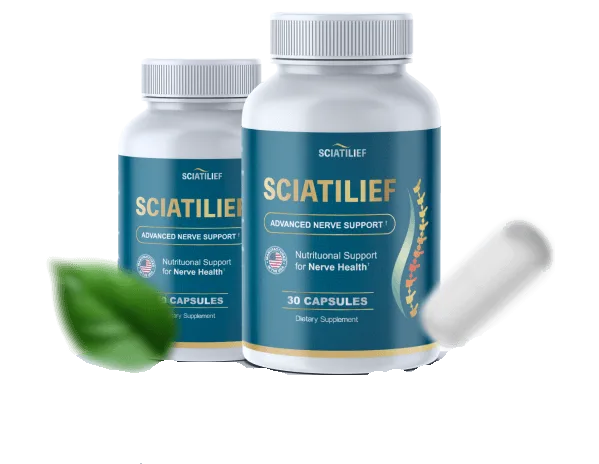
Are you tired of debilitating sciatic nerve pain dictating your daily life?
Sciatic nerve pain, often characterized by a searing discomfort that radiates from your lower back down your leg, can be an incredibly disruptive and challenging condition. It can turn simple tasks into monumental efforts, impacting your mobility, sleep, and overall quality of life. Understanding how to effectively manage this pain at home is crucial for finding relief and reclaiming your comfort.
While various treatments exist, two of the most accessible and often effective home remedies are ice and heat therapy. These simple applications, when used correctly, can significantly reduce pain, inflammation, and muscle tension associated with sciatica. This comprehensive guide, informed by neurological health research, will walk you through the science, benefits, and proper application of both ice and heat, empowering you to make informed decisions about your home treatment strategy.
Understanding Sciatica: More Than Just Back Pain
Before diving into specific treatments, it's essential to grasp what sciatica truly is and why it causes such distinct discomfort.
Sciatica is not a condition in itself, but rather a symptom of an underlying problem affecting the sciatic nerve. This nerve, the longest and widest single nerve in the human body, originates in the lower back, runs through the buttocks, and branches down each leg. When something compresses or irritates this nerve, it results in the characteristic pain, numbness, tingling, or weakness associated with sciatica.
The most common causes include a herniated disc (a slipped disc that presses on the nerve), bone spurs (overgrowths of bone on the vertebrae), or spinal stenosis (narrowing of the spinal canal). Less common causes can include tumors, infections, or conditions like piriformis syndrome, where the piriformis muscle in the buttock spasms and compresses the nerve. Regardless of the cause, the symptoms typically manifest as a radiating pain that can range from a mild ache to a sharp, burning sensation or excruciating discomfort, often worsened by prolonged sitting, standing, or coughing. Understanding the source of your pain is the first step towards effective management, and while ice and heat can provide symptomatic relief, addressing the root cause is paramount.
💡 Key Takeaway
Sciatica is nerve pain caused by compression or irritation of the sciatic nerve, often from a herniated disc or bone spur. It manifests as radiating pain, numbness, or tingling down the leg, and while challenging, it is often manageable with conservative home treatments.
The Power of Cold: Benefits of Ice Therapy for Sciatica
When sciatic pain strikes, especially acutely, ice therapy is often the first line of defense recommended by healthcare professionals. But how exactly does cold application help?
Reduces Inflammation and Swelling
One of the primary benefits of ice is its ability to reduce inflammation. When the sciatic nerve is compressed or irritated, inflammation is a natural response that contributes significantly to pain. Cold therapy causes vasoconstriction, meaning it narrows blood vessels, thereby decreasing blood flow to the affected area. This reduction in blood flow helps to minimize swelling and the inflammatory cascade around the nerve.
Numbing Effect for Pain Relief
Ice acts as a local anesthetic. The cold temperature slows down nerve conduction velocity, essentially numbing the nerve endings in the treated area. This provides immediate, though temporary, pain relief. For individuals experiencing intense, sharp sciatic pain, this numbing effect can be invaluable in breaking the pain cycle and allowing for greater comfort.
Decreases Muscle Spasm
Sciatic nerve irritation can often lead to protective muscle spasms in the lower back, buttocks, and leg. These spasms can further aggravate the nerve and intensify pain. Applying ice can help to relax these spasming muscles by reducing their excitability, offering relief from the tight, painful cramping that often accompanies sciatica.
Slows Metabolic Activity
Cold therapy slows down the metabolic rate of cells in the treated area. This can be beneficial in acute injury settings as it reduces the demand for oxygen and nutrients, potentially limiting secondary tissue damage. While sciatica isn't typically an acute injury in the traditional sense, this effect can still contribute to overall tissue recovery and reduce irritation around the nerve.
When to use ice: Ice therapy is most effective for acute sciatica, especially within the first 24 to 72 hours of a flare-up or when the pain is accompanied by signs of inflammation, such as redness, swelling, or tenderness. It's also beneficial after activities that might have aggravated the nerve, helping to preemptively reduce inflammation.
Mastering Ice Application: Tips for Sciatic Relief
To maximize the benefits of ice therapy and avoid potential harm, proper application is key.
Types of Ice Packs: You have several options for applying cold to the affected area. A simple bag of frozen peas or corn conforms well to the body. Gel packs, available at pharmacies, remain flexible when frozen. You can also make your own by mixing rubbing alcohol and water in a freezer bag. Whichever you choose, ensure it's not too cold to cause frostbite.
The "Cold, Burning, Aching, Numb" Sensation: When applying ice, you'll typically experience a progression of sensations: first cold, then a burning sensation, followed by an ache, and finally numbness. This is a normal physiological response, and numbness indicates the therapeutic effect is taking hold. However, if any sensation becomes too painful or if your skin turns an alarming color (e.g., bright red or purple), remove the ice immediately.
How to Apply: Wrap your chosen ice pack in a thin towel or cloth to create a barrier between the ice and your skin. Never apply ice directly to the skin, as this can cause frostbite or skin damage. Apply the ice pack to the area of most intense pain – often the lower back, buttock, or along the upper thigh. You may need to experiment to find the exact spot that provides the most relief.
Duration and Frequency: Apply ice for 15-20 minutes at a time. This duration is generally sufficient to achieve the therapeutic effects without over-cooling the tissue. After 20 minutes, remove the ice and allow your skin to return to its normal temperature, which usually takes about 60-90 minutes. You can repeat ice applications every 2-3 hours as needed throughout the day, especially during acute flare-ups.
Important Considerations: Avoid applying ice to areas with poor circulation or nerve damage, as this could be detrimental. Always be mindful of your skin's reaction, especially if you have sensitive skin or conditions like Raynaud's phenomenon. If cold therapy exacerbates your pain or causes new symptoms, discontinue use and consult a healthcare professional.
The Comfort of Warmth: Benefits of Heat Therapy for Sciatica
While ice is excellent for inflammation, heat therapy offers a different, yet equally valuable, set of benefits for managing sciatic nerve pain.
Promotes Blood Flow and Healing
Unlike ice, heat causes vasodilation, which means it widens blood vessels. This increased blood flow brings more oxygen and nutrients to the affected tissues, aiding in the natural healing process. Enhanced circulation also helps to flush away metabolic waste products that can accumulate in sore muscles, contributing to relief and recovery.
Relaxes Tight Muscles
One of the most immediate benefits of heat therapy is its ability to relax tense and spasming muscles. When muscles in the lower back, glutes, or hamstrings are tight, they can sometimes put additional pressure on the sciatic nerve or restrict movement, leading to increased pain. Heat penetrates these muscles, making them more pliable and easing their tension, providing significant comfort.
Soothes Aches and Stiffness
Chronic sciatic pain often comes with persistent aches and stiffness, particularly after periods of inactivity. Heat therapy can effectively soothe these sensations, making the affected area feel less rigid and more comfortable. The warmth provides a comforting sensation that can reduce the perception of pain and promote relaxation.
Improves Tissue Elasticity
By increasing blood flow and relaxing muscles, heat therapy can also improve the elasticity of connective tissues. This can be particularly helpful before gentle stretching exercises, as it makes muscles and ligaments more flexible and less prone to injury. Improved elasticity can also enhance range of motion, which is often limited by sciatic pain.
When to use heat: Heat therapy is generally best for chronic sciatica, after the initial inflammatory phase (typically 72 hours post-onset) has passed. It's also excellent for muscle relaxation, soothing stiffness, and preparing muscles for gentle stretching or physical activity. Many people find heat comforting in the morning to ease overnight stiffness.
Ice vs. Heat: When to Use Which, and the Art of Alternating Therapy
Deciding between ice and heat can be confusing, but understanding the specific benefits of each can guide your choice. Often, the most effective approach involves using both.
The General Rule of Thumb:
- Ice for Acute Pain and Inflammation: Think of "I.C.E." for Injury, Compression, Elevation. For sciatica, if your pain is new, sharp, burning, or accompanied by visible swelling or tenderness, start with ice. This applies to flare-ups of chronic sciatica as well. Ice aims to reduce nerve irritation by dampening inflammation.
- Heat for Chronic Pain, Muscle Stiffness, and Relaxation: If your pain has been ongoing for more than 72 hours, is dull and aching, or if you feel muscle tightness and stiffness, heat is likely your better option. Heat promotes muscle relaxation and blood flow, which can soothe chronic discomfort and prepare your body for movement or stretching.
The Power of Alternating Therapy: Many individuals find the greatest relief by alternating between ice and heat. This approach leverages the distinct benefits of both. For example, you might start with ice to reduce inflammation and numb the area, and then later apply heat to relax muscles and improve circulation. A common method is to apply ice for 15-20 minutes, wait an hour or two, and then apply heat for 15-20 minutes. This cycle can be repeated throughout the day, always allowing the skin to return to normal temperature between applications.
This alternating approach can be particularly beneficial for conditions like piriformis syndrome, which mimics sciatica. While a tight piriformis muscle can compress the sciatic nerve, leading to pain, both inflammation (addressed by ice) and muscle tightness (addressed by heat) are factors. For more in-depth information on managing this specific condition, you might find our article on Piriformis Syndrome: Supplement Support and Management helpful.
Remember, the goal is to find what works best for *your* body and *your* specific type of pain. Pay attention to how your symptoms respond to each therapy. If one makes the pain worse, stop immediately.
💡 Key Takeaway
Use ice for acute, inflammatory pain (first 72 hours or flare-ups) to reduce swelling and numb the area. Use heat for chronic, aching pain and muscle stiffness to promote blood flow and relaxation. Alternating both therapies can provide comprehensive relief by addressing different aspects of sciatic discomfort.
Beyond Temperature: Comprehensive Home Treatments for Sciatica
While ice and heat are powerful tools, a holistic approach to managing sciatic nerve pain involves several other home-based strategies.
Gentle Stretching and Exercise: Regular, gentle stretches specifically designed for sciatica can significantly improve flexibility, strengthen core muscles, and alleviate pressure on the sciatic nerve. Exercises like knee-to-chest stretches, piriformis stretches, and pelvic tilts can be very beneficial. Always perform these slowly and stop if you feel increased pain. Low-impact activities like walking or swimming can also help maintain mobility and muscle strength without aggravating the nerve. For guidance on how your sleeping position can impact sciatic pain, consider reading our article on How to Relieve Sciatic Nerve Pain While Sleeping.
Maintain Good Posture: Poor posture, especially when sitting for long periods, can exacerbate sciatic pain. Ensure your workstation is ergonomic, use a lumbar support pillow, and take regular breaks to stand and stretch. When lifting, always lift with your legs, not your back, to protect your spine.
Ergonomic Support: Invest in a good quality mattress and pillows that support spinal alignment. A chair with proper lumbar support can make a significant difference for those who sit for extended periods. Even simple adjustments, like placing a rolled towel behind your lower back, can provide temporary relief.
Stress Management: Stress can heighten pain perception and lead to increased muscle tension, potentially worsening sciatic symptoms. Techniques like deep breathing, meditation, yoga, or spending time in nature can help manage stress and promote overall well-being, indirectly contributing to pain relief.
Nutritional Support and Supplements: A healthy diet rich in anti-inflammatory foods can support overall nerve health. Additionally, certain natural supplements have shown promise in supporting nerve function and reducing discomfort associated with sciatica. Ingredients like Palmitoylethanolamide (PEA), Alpha Lipoic Acid, and Magnesium are often studied for their neuroprotective and anti-inflammatory properties, offering a complementary approach to traditional therapies.
These strategies, when combined with appropriate ice and heat therapy, form a robust home treatment plan for managing sciatic nerve pain. Consistency is key, and listening to your body's signals will help you tailor your approach for optimal relief.
Complementary Support: How SciatiLief Can Help
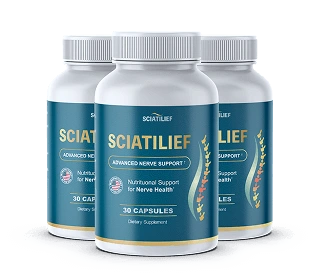
While external therapies like ice and heat address acute symptoms and muscle tension, supporting nerve health from within can provide comprehensive, long-term relief. This is where targeted nutritional supplements like SciatiLief come into play, offering a synergistic approach to managing sciatic nerve pain.
Palmitoylethanolamide (PEA)
PEA is a naturally occurring fatty acid amide that has been extensively studied for its anti-inflammatory and analgesic properties. It works by modulating pain pathways and reducing neuroinflammation, offering significant relief from neuropathic pain, including sciatica. PEA helps to calm overactive nerve signals and protect nerve cells from damage, providing a foundational element for nerve comfort.
Alpha Lipoic Acid (ALA)
A powerful antioxidant, Alpha Lipoic Acid is known for its ability to neutralize free radicals, which can damage nerve cells and contribute to inflammation. ALA also plays a crucial role in nerve regeneration and improving nerve conduction. Its neuroprotective effects make it a key ingredient in supporting the health and function of the sciatic nerve, potentially reducing tingling, numbness, and burning sensations.
Magnesium
Magnesium is an essential mineral involved in over 300 biochemical reactions in the body, including nerve function and muscle relaxation. It helps to regulate neurotransmitters, which send messages throughout the brain and body. For sciatica, magnesium can help reduce muscle spasms and tension that often accompany nerve pain, and it plays a role in reducing nerve excitability, contributing to overall pain relief. It's often referred to as nature's tranquilizer for its calming effect on the nervous system.
Turmeric (Curcumin)
Derived from the turmeric plant, curcumin is a potent anti-inflammatory compound. Its ability to inhibit inflammatory pathways in the body makes it highly effective in reducing pain and swelling associated with nerve irritation. By calming the inflammatory response, curcumin can help alleviate the pressure and discomfort on the sciatic nerve, supporting a healthier environment for nerve recovery.
Boswellia Serrata
Also known as Indian frankincense, Boswellia serrata has a long history of use in traditional medicine for its powerful anti-inflammatory properties. It works by inhibiting specific enzymes that promote inflammation, similar to how some NSAIDs function but often with fewer side effects. This makes it an excellent natural ingredient for reducing the inflammation that contributes to sciatic pain and discomfort.
Vitamin B Complex
B vitamins, particularly B1 (Thiamine), B6 (Pyridoxine), and B12 (Cobalamin), are vital for nerve health and function. They play critical roles in nerve signal transmission, myelin sheath formation (the protective covering around nerves), and nerve repair. Deficiencies in these vitamins can sometimes exacerbate nerve pain, making their supplementation crucial for supporting the overall integrity and function of the sciatic nerve.
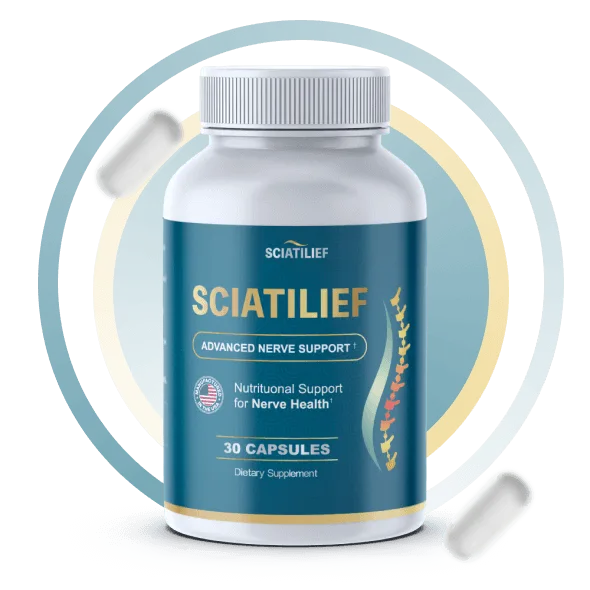
SciatiLief combines these powerful, research-backed ingredients into one convenient formula, designed to work synergistically to support nerve health, reduce inflammation, and alleviate sciatic nerve pain. By providing essential nutrients that target the root causes of nerve discomfort, SciatiLief offers a proactive way to enhance your home treatment plan and support lasting relief. For a deeper dive into the science behind these ingredients and their clinical evidence, you can visit our dedicated page on SciatiLief Ingredients, Science & Clinical Evidence.
Experience Comprehensive Sciatica Relief with SciatiLief
Don't let sciatic nerve pain control your life any longer. SciatiLief offers a targeted, natural approach to complement your home treatment plan, providing relief from inflammation, nerve discomfort, and muscle tension.
- ✓ Advanced Nerve Support Formula
- ✓ Reduces Inflammation & Pain
- ✓ Promotes Healthy Nerve Function
- ✓ All-Natural, Clinically Studied Ingredients
- ✓ Made in USA, GMP Certified




What Our Customers Say About SciatiLief
"SciatiLief has been a game-changer for my chronic sciatic pain. After years of struggling, combining this with my ice/heat routine has made a huge difference. I feel more mobile and less reliant on other pain relievers. Highly recommend!"
"I was skeptical at first, but SciatiLief truly works. My nerve pain used to keep me up at night, but now I'm sleeping much better. It's a natural solution that actually delivers. Paired with my physical therapy, it's been fantastic."
"The constant burning sensation in my leg was unbearable. After a few weeks on SciatiLief, I noticed a significant reduction in discomfort. It's not a miracle cure, but it makes daily life so much more manageable. I'm very impressed with the ingredients."
Frequently Asked Questions
What is sciatica, and what causes it?
+Sciatica refers to pain that radiates along the path of the sciatic nerve, which branches from your lower back through your hips and buttocks and down each leg. It typically affects only one side of your body. Common causes include a herniated disc, bone spur on the spine, or narrowing of the spine (spinal stenosis), which compress part of the nerve. This compression leads to inflammation, pain, and often some numbness in the affected leg.
When should I use ice for sciatic nerve pain?
+Ice therapy is generally recommended for acute sciatic nerve pain, especially within the first 24-72 hours of onset, or during flare-ups. Cold helps to reduce inflammation, numb the painful area, and constrict blood vessels, which can decrease swelling around the irritated nerve. Apply ice packs for 15-20 minutes at a time, with at least an hour between applications, ensuring a cloth barrier between the ice and your skin.
When should I use heat for sciatic nerve pain?
+Heat therapy is typically more beneficial for chronic sciatic nerve pain or after the initial acute inflammatory phase has passed (usually after 72 hours). Heat promotes blood flow, relaxes tight muscles (like the piriformis muscle which can sometimes compress the sciatic nerve), and can soothe aching areas. Use warm compresses, heating pads, or warm baths for 15-20 minutes, being careful not to fall asleep with a heating pad.
Can I alternate between ice and heat for sciatica?
+Yes, alternating ice and heat can be a very effective strategy for managing sciatic nerve pain. Many individuals find relief by starting with ice to reduce inflammation, then switching to heat to relax muscles and increase blood flow. A common approach is to apply ice for 15-20 minutes, then wait an hour or two, and then apply heat for 15-20 minutes. This cycle can be repeated throughout the day, always listening to your body's response.
Are there other home treatments for sciatic pain besides ice and heat?
+Absolutely. Beyond ice and heat, other effective home treatments include gentle stretching exercises specifically designed for sciatica, maintaining good posture, regular low-impact physical activity (like walking or swimming), avoiding prolonged sitting, and using ergonomic support for your back. Certain natural supplements, such as SciatiLief, which contain ingredients like PEA, Magnesium, and Alpha Lipoic Acid, can also support nerve health and reduce discomfort.
How does SciatiLief fit into a home treatment plan for sciatica?
+SciatiLief is designed to complement physical therapies like ice and heat by addressing the underlying nerve health and inflammation from within. Its natural ingredients, such as PEA (Palmitoylethanolamide), Alpha Lipoic Acid, and Magnesium, are clinically studied for their neuroprotective and anti-inflammatory properties, aiming to reduce nerve pain and support nerve function. It can be integrated as part of a comprehensive daily regimen to help manage chronic sciatic discomfort and promote overall nerve well-being.
Related Articles