Is Your Weight Contributing to Your Sciatica Pain?
In an era where obesity rates continue to climb globally, its profound impact on various aspects of health, including musculoskeletal conditions, is becoming increasingly clear. Sciatica, a debilitating nerve pain affecting millions, is one such condition deeply intertwined with body weight. Many individuals struggling with persistent sciatica may not fully realize the significant role their weight plays in exacerbating their symptoms and hindering their recovery.
This article, authored by Dr. Karen Lewis and reviewed by Dr. Peter Collins, M.D., delves deep into the intricate relationship between obesity, weight gain, and sciatica. We will explore how excess weight places both mechanical stress on your spine and contributes to systemic inflammation, creating a vicious cycle of pain and reduced activity. Understanding these mechanisms is the first step towards breaking free from chronic sciatica and reclaiming your quality of life.

The Biomechanical Burden: How Weight Physically Impacts Your Spine
Your spine is an engineering marvel, designed to support your body's weight and facilitate movement. However, it has its limits. When you carry excess weight, particularly around your abdomen, the biomechanics of your entire spinal column are profoundly altered, leading to increased stress and potential damage.
The most immediate and obvious impact of obesity on sciatica is the **increased mechanical load** placed upon the lumbar spine, specifically the lower back. Every extra pound you carry translates into additional pressure on your spinal discs, vertebrae, and the surrounding ligaments and muscles. This constant, elevated pressure can accelerate the degeneration of intervertebral discs, making them more prone to herniation or bulging. A **herniated disc** is a common cause of sciatica, as the displaced disc material can directly compress or irritate the sciatic nerve roots exiting the spinal column.
Furthermore, excess abdominal fat shifts your center of gravity forward. To compensate for this, your body often adopts an altered posture, typically an **exaggerated lumbar lordosis**, where the lower back curves excessively inward. This unnatural curvature further compresses the posterior elements of the spine and can narrow the **spinal canal** and **foraminal openings**, through which the sciatic nerve roots pass. This narrowing, known as **spinal stenosis**, is another significant contributor to sciatic pain, and it is frequently exacerbated by obesity.
Beyond the direct pressure, weight gain also contributes to **muscle imbalances** and weakness. The core muscles, crucial for spinal stability and support, can become weakened and inefficient under the strain of excess weight. This diminished support forces other structures, like the ligaments and discs, to bear more of the load, increasing their susceptibility to injury and inflammation. The gluteal muscles, which are vital for hip stability and protecting the sciatic nerve, can also become weak or dysfunctional, further contributing to the problem. The cumulative effect is a spine that is less stable, more compressed, and highly vulnerable to the conditions that trigger sciatica.
💡 Key Takeaway
Excess body weight, especially abdominal fat, significantly increases mechanical stress on the lower spine. This leads to disc degeneration, spinal compression, altered posture, and muscle imbalances, all of which are major contributors to the development and worsening of sciatica.
The Inflammatory Link: Beyond Mechanical Stress
While the mechanical forces of excess weight are undeniable, the impact of obesity on sciatica extends far beyond mere physical pressure. Emerging research highlights the critical role of systemic inflammation, driven by adipose tissue, in exacerbating nerve pain and hindering recovery.
Adipose tissue, commonly known as body fat, is not merely an inert storage depot for energy. It is a highly **metabolically active endocrine organ** that secretes a variety of hormones and signaling molecules, collectively known as adipokines. In individuals with obesity, adipose tissue, particularly visceral fat (fat surrounding internal organs), becomes dysfunctional and releases an abundance of **pro-inflammatory cytokines**, such as TNF-alpha, IL-6, and CRP. These inflammatory mediators circulate throughout the body, creating a state of chronic, low-grade **systemic inflammation**.
This widespread inflammation can have a direct and detrimental effect on nerve tissue. When the sciatic nerve is already irritated or compressed due to mechanical factors, the presence of these inflammatory cytokines can amplify the pain signals, increase nerve sensitivity, and impede the nerve's ability to heal. Inflammation can also lead to **nerve demyelination** or damage to the protective sheath around nerve fibers, making them more vulnerable and dysfunctional. This means that even mild compression of the sciatic nerve can result in severe pain when the body is in a constant state of inflammation.
Moreover, chronic inflammation can impair blood flow to nerve tissues, depriving them of essential oxygen and nutrients necessary for repair and function. This **ischemia** can further contribute to nerve damage and persistent pain. The combination of mechanical compression and a pro-inflammatory internal environment creates a perfect storm for severe and prolonged sciatica symptoms, making it harder for the body to naturally resolve the condition. Understanding this inflammatory component is crucial for developing comprehensive treatment strategies that go beyond just physical interventions.
Understanding Sciatica: A Quick Overview
Before delving deeper into the obesity-sciatica link, it's helpful to briefly review what sciatica is and its common causes.
Sciatica isn't a diagnosis in itself, but rather a symptom of an underlying problem affecting the sciatic nerve. The **sciatic nerve** is the longest and thickest nerve in the human body, originating from nerve roots in the lower back (L4 to S3), passing through the buttocks, and extending down the back of each leg, branching into smaller nerves that reach the feet. When this nerve or its roots become compressed, irritated, or inflamed, it results in sciatica.
Common symptoms include **radiating pain** that typically travels from the lower back through the buttock and down one leg. This pain can range from a mild ache to a sharp, burning sensation or excruciating discomfort. Other symptoms may include **numbness, tingling, muscle weakness**, or difficulty moving the affected leg or foot. The intensity and location of symptoms depend on where the nerve is compressed.
The most frequent causes of sciatica include:
- **Herniated or bulging disc:** This is the most common cause, where the soft inner material of a spinal disc pushes out and presses on a nerve root.
- **Spinal stenosis:** Narrowing of the spinal canal, often due to age-related degeneration, bone spurs, or thickened ligaments, which compresses the nerve.
- **Piriformis syndrome:** The piriformis muscle, located deep in the buttock, can spasm and compress the sciatic nerve that runs nearby or even through it.
- **Spondylolisthesis:** A condition where one vertebra slips forward over another.
- **Trauma or injury:** Direct injury to the spine or sciatic nerve.
The Vicious Cycle: Weight, Pain, and Inactivity
The relationship between obesity and sciatica often becomes a self-perpetuating cycle, where each factor reinforces the other, making relief more elusive.
Pain Leads to Reduced Activity
When sciatica pain strikes, the natural inclination is to avoid movements that aggravate it. This often leads to a significant reduction in physical activity. Even simple tasks like walking, standing, or bending can become unbearable, forcing individuals into a more sedentary lifestyle. This reduction in activity is a direct consequence of the debilitating pain.
Sedentary Lifestyle Fuels Weight Gain
A decrease in physical activity naturally leads to fewer calories burned. If dietary habits remain unchanged, or even worsen due to emotional eating in response to pain and frustration, weight gain becomes almost inevitable. This additional weight then further exacerbates the mechanical stress on the spine and intensifies systemic inflammation, making the sciatica worse.
Muscle Deconditioning and Weakness
Prolonged inactivity also results in the deconditioning and weakening of core muscles, glutes, and leg muscles. These muscles are vital for supporting the spine and maintaining proper posture. As they weaken, the spine loses crucial support, increasing its vulnerability to injury and nerve compression. This creates a less stable environment, making it harder to engage in activity even if the pain momentarily subsides.
Worsening Pain and Functional Impairment
The combination of increased weight, heightened inflammation, and muscle weakness means that the sciatica symptoms often become more severe and persistent. This worsening pain further limits mobility, trapping individuals in a cycle that is incredibly difficult to break without targeted intervention. Breaking this cycle requires a multi-faceted approach that addresses both pain and weight management simultaneously.
Diagnosis and Assessment: Identifying the Role of Weight
A thorough medical evaluation is paramount for anyone experiencing sciatica, especially when obesity is a contributing factor. A comprehensive diagnosis ensures that the underlying causes are correctly identified and that an appropriate treatment plan can be formulated.
Your doctor will typically begin with a detailed **medical history**, asking about your symptoms, their duration, severity, and any factors that worsen or alleviate them. They will also inquire about your lifestyle, including diet, exercise habits, and weight history. A **physical examination** will assess your reflexes, muscle strength, and sensory perception in your legs and feet. Specific maneuvers, such as the straight leg raise test, can help pinpoint the location of nerve irritation.
Beyond clinical assessment, **imaging studies** are often necessary. X-rays can reveal structural changes in the spine, such as bone spurs or alignment issues, but are less effective for visualizing soft tissues. **MRI (Magnetic Resonance Imaging)** is the gold standard for diagnosing sciatica, as it provides detailed images of spinal discs, nerve roots, and surrounding tissues, allowing for the identification of herniated discs, spinal stenosis, and other nerve compression causes. For individuals with obesity, the quality of MRI images can sometimes be challenging due to body habitus, but advanced imaging techniques often overcome this.
In the context of weight, your doctor will likely assess your **Body Mass Index (BMI)** and **waist circumference**. While BMI is a broad indicator, waist circumference can provide a more accurate measure of visceral fat, which, as discussed, is a significant source of pro-inflammatory cytokines. Understanding these metrics helps frame the discussion around weight management as a crucial component of your sciatica treatment. It’s important to remember that the goal isn't just about a number on the scale, but about reducing the physical and inflammatory burden on your sciatic nerve.
💡 Key Takeaway
Accurate diagnosis of sciatica involves medical history, physical examination, and often MRI. For individuals with obesity, assessing BMI and waist circumference helps understand how excess weight contributes to both mechanical stress and systemic inflammation, guiding a comprehensive treatment approach.
Strategies for Weight Management to Alleviate Sciatica
Successfully managing sciatica when obesity is a factor requires a dedicated, multi-pronged approach to weight loss. This isn't just about aesthetics; it's about reducing the fundamental pressures and inflammatory responses that contribute to your pain.
Dietary Changes for Inflammation & Weight
Adopting an **anti-inflammatory diet** is crucial. Focus on whole, unprocessed foods like fruits, vegetables, lean proteins, and healthy fats. Reduce intake of refined sugars, processed carbohydrates, and unhealthy fats, which fuel inflammation. A Mediterranean-style diet, rich in antioxidants and omega-3 fatty acids, can be particularly beneficial. Portion control and mindful eating are also key components to sustainable weight loss.
Safe & Effective Exercise
Starting an exercise regimen can be challenging with sciatica and excess weight, but it's vital. Begin with **low-impact activities** such as swimming, water aerobics, stationary cycling, or gentle walking. These minimize stress on the spine while promoting calorie expenditure and muscle strengthening. **Core strengthening exercises**, guided by a physical therapist, are essential for spinal stability. Always consult a professional to ensure exercises are safe and appropriate for your condition.
Physical Therapy & Movement
**Physical therapy** plays a critical role. A therapist can design a personalized program to improve flexibility, strengthen core and gluteal muscles, and correct postural imbalances. They can also teach you proper body mechanics for daily activities, helping to prevent re-injury and reduce nerve compression. This guided approach is especially important for individuals who are overweight, as improper movements can worsen symptoms.
Mind-Body Techniques & Stress Reduction
Chronic pain and the challenges of weight loss can take a toll on mental health. Incorporating **mind-body techniques** like yoga, meditation, or deep breathing can help manage pain perception and reduce stress-induced inflammation. Stress can exacerbate pain, so finding healthy coping mechanisms is essential for both your physical and mental well-being during your journey to relief.
The Role of Supplementation in Supporting Nerve Health and Weight Management
While diet and exercise form the cornerstone of weight management and sciatica relief, certain nutritional supplements can play a supportive role by targeting nerve health, reducing inflammation, and aiding the body's natural healing processes.
Many individuals find benefit in supplements that provide specific nutrients known to support nerve function and combat inflammation. For example, **Alpha Lipoic Acid** is a powerful antioxidant that has been extensively studied for its neuroprotective properties and its ability to improve nerve conduction and reduce neuropathic pain. It can be particularly beneficial in cases where nerve damage or irritation is a primary component of sciatica, helping to reduce the oxidative stress that can damage nerve cells. To learn more about this vital compound, you can explore our detailed article on Alpha Lipoic Acid and Nerve Pain Relief.
Other key ingredients often found in nerve support formulas include B vitamins (especially B1, B6, and B12), which are crucial for nerve health and myelin sheath integrity; Magnesium, known for its muscle-relaxing and nerve-calming properties; and anti-inflammatory botanicals like Turmeric (Curcumin) and Ginger. These ingredients work synergistically to create an environment conducive to nerve healing and pain reduction.
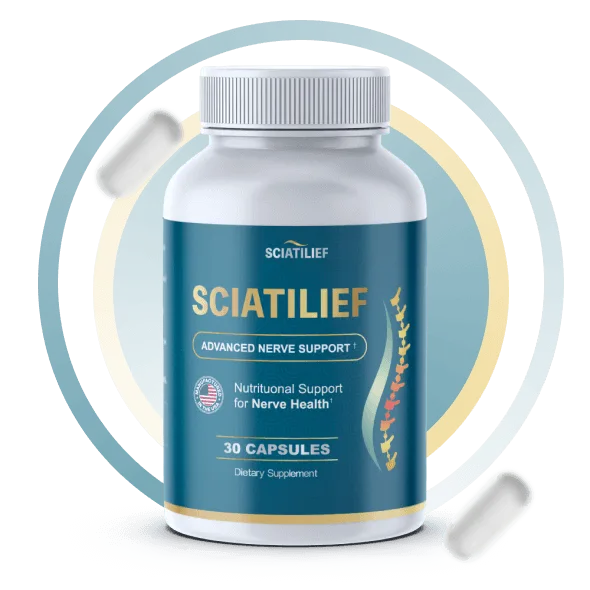
SciatiLief is one such natural supplement formulated with a blend of ingredients specifically chosen for their roles in supporting nerve health and reducing inflammatory responses associated with sciatica. It is designed to complement your efforts in weight management by providing targeted nutritional support, potentially making it easier to manage pain and engage in the physical activity necessary for weight loss. By helping to soothe irritated nerves and reduce inflammation, SciatiLief can be a valuable addition to your comprehensive strategy, working alongside your dietary and exercise changes to provide more complete relief.
Key Ingredients in SciatiLief for Nerve Support and Pain Relief
Alpha Lipoic Acid (ALA)
Role: A potent antioxidant that helps protect nerve cells from oxidative damage, improves nerve function, and has been shown to reduce neuropathic pain by supporting nerve regeneration and reducing inflammation.
300-600mgAcetyl-L-Carnitine (ALCAR)
Role: Supports energy production in nerve cells, promotes nerve regeneration, and exhibits anti-inflammatory and pain-modulating effects, particularly beneficial for nerve pain.
500-1500mgTurmeric (Curcumin)
Role: A powerful natural anti-inflammatory compound that helps reduce pain and swelling by inhibiting inflammatory pathways, contributing to overall pain relief and nerve comfort.
500-1000mg (standardized)Magnesium
Role: Essential for muscle relaxation and nerve signal transmission. It helps reduce muscle spasms that can compress the sciatic nerve and contributes to overall nerve calming and pain relief.
200-400mgB Vitamins (B1, B6, B12)
Role: Crucial for nerve health, repair, and the formation of the myelin sheath that protects nerve fibers. They aid in nerve signal transmission and can help reduce nerve-related pain and tingling.
Various dosesGinger Root Extract
Role: Known for its strong anti-inflammatory and analgesic properties, ginger helps to reduce pain and inflammation throughout the body, providing natural support for sciatica symptoms.
250-500mgLifestyle Adjustments Beyond Diet and Exercise
While diet and exercise are foundational, other lifestyle factors significantly influence sciatica pain and overall well-being, especially when compounded by weight issues.
Firstly, **ergonomics** play a crucial role. If you spend long hours sitting, ensure your workstation is set up to support proper spinal alignment. Use an ergonomic chair, keep your feet flat on the floor, and position your monitor at eye level. Regular breaks to stand and stretch can prevent prolonged spinal compression. For individuals with larger body frames, finding appropriately sized and supportive furniture is even more critical to avoid exacerbating pressure points on the sciatic nerve.
Secondly, **stress management** is often overlooked but profoundly impactful. Chronic stress can increase muscle tension, leading to spasms that can irritate the sciatic nerve. It also elevates levels of inflammatory markers in the body. Techniques such as mindfulness meditation, deep breathing exercises, gentle yoga (tailored for sciatica), or spending time in nature can help reduce stress and its physical manifestations. Managing stress can also prevent emotional eating, which can sabotage weight loss efforts.
Finally, **sleep hygiene** is paramount for healing and pain management. Poor sleep can amplify pain perception and hinder the body's natural restorative processes. Ensure your sleeping environment is dark, quiet, and cool. Invest in a supportive mattress and pillows that maintain proper spinal alignment. For those who are overweight, finding a comfortable sleeping position that doesn't put pressure on the sciatic nerve can be challenging; experimenting with pillows between the knees (for side sleepers) or under the knees (for back sleepers) can help.
By integrating these lifestyle adjustments, you create a more holistic environment for your body to heal and manage sciatica, complementing your efforts in diet, exercise, and any supportive supplementation like SciatiLief.
When to Seek Medical Advice
While many cases of sciatica improve with conservative management, it's crucial to know when to seek professional medical attention. Ignoring certain symptoms can lead to more serious complications.
You should consult your doctor promptly if you experience any of the following:
- **Sudden, severe pain** in your lower back or leg.
- **Muscle weakness** or numbness in the affected leg that worsens or interferes with daily activities.
- **Loss of bowel or bladder control** (cauda equina syndrome), which is a rare but serious medical emergency requiring immediate attention.
- Pain that develops after a violent injury, such as a traffic accident or a fall.
- Pain that is accompanied by fever, chills, or unexplained weight loss.
- Sciatica that does not improve after several weeks of self-care measures or worsens despite treatment.
Ready to Take Control of Your Sciatica Pain?
Don't let the debilitating pain of sciatica control your life any longer. SciatiLief offers a comprehensive, natural solution to support nerve health, reduce inflammation, and alleviate discomfort, empowering you to move more freely and embrace a more active lifestyle.
- ✓ Supports Healthy Nerve Function
- ✓ Reduces Inflammation and Swelling
- ✓ Alleviates Radiating Nerve Pain
- ✓ Promotes Overall Spinal Health
- ✓ Made with Natural, Clinically-Backed Ingredients




Hear From Our Happy Customers
"SciatiLief has been a game-changer. I was struggling with constant sciatica, and while I'm also working on my weight, this supplement has truly helped ease the daily pain. I can move so much more freely now, which encourages me to stay active!"
"I was skeptical, but after a month on SciatiLief, my nerve pain has significantly reduced. It's not a miracle cure, but it's made a huge difference in my ability to walk and exercise, which is essential for my weight loss journey. Highly recommend."
"Living with sciatica and being overweight felt like a double burden. SciatiLief helped me break through the constant discomfort. The anti-inflammatory ingredients really seem to work, and I feel less stiff and more hopeful about managing both my pain and my weight."
Frequently Asked Questions
How does obesity directly cause sciatica?
+Obesity contributes to sciatica through two primary mechanisms: biomechanical stress and systemic inflammation. Excess weight places increased pressure on the lumbar spine, leading to compression of spinal discs and the sciatic nerve. This mechanical burden can exacerbate existing spinal issues or directly cause nerve irritation. Additionally, adipose tissue (fat) is metabolically active, releasing pro-inflammatory cytokines that can worsen nerve inflammation and pain throughout the body, including the sciatic nerve pathway.
Can losing weight cure my sciatica completely?
+While losing weight may not provide a complete 'cure' for all cases of sciatica, especially if there's significant underlying structural damage, it can dramatically alleviate symptoms and improve your body's ability to heal and manage pain. Reducing excess weight lessens the mechanical load on your spine and decreases systemic inflammation, creating a more favorable environment for nerve recovery and pain reduction. Many individuals experience significant relief and improved mobility with sustained weight loss.
What types of exercise are safe for sciatica when overweight?
+When dealing with sciatica and excess weight, it's crucial to choose low-impact exercises that don't put undue stress on your spine. Excellent options include swimming, water aerobics, gentle walking, stationary cycling, and specific physical therapy exercises designed to strengthen your core and improve flexibility without aggravating the sciatic nerve. Always consult with a healthcare professional or physical therapist to develop an exercise plan tailored to your specific condition and weight.
How quickly can weight loss impact sciatica pain?
+The timeline for experiencing sciatica relief from weight loss varies greatly among individuals, depending on the severity of their condition, the amount of weight lost, and consistency of effort. However, many people report noticeable improvements in pain and mobility within a few weeks to a few months of consistent weight management. Even a modest reduction in body weight can significantly reduce the mechanical stress on your spine and start to lessen inflammatory responses, leading to symptomatic relief over time.
Are there specific diets that help reduce sciatica inflammation?
+Yes, adopting an anti-inflammatory diet can be highly beneficial for managing sciatica, especially when inflammation is a contributing factor due to obesity. Focus on whole, unprocessed foods such as fruits, vegetables, lean proteins, and healthy fats (like those found in olive oil and avocados). Incorporating foods rich in omega-3 fatty acids, like fatty fish, can also help. Conversely, limiting processed foods, sugary drinks, and excessive red meat can reduce systemic inflammation and support overall nerve health.
How does SciatiLief fit into a weight management plan for sciatica?
+SciatiLief is designed to complement a holistic approach to sciatica relief, including weight management. While it doesn't directly cause weight loss, its blend of natural ingredients supports nerve health, reduces inflammation, and helps modulate pain. By addressing the underlying nerve irritation and discomfort, SciatiLief can make it easier for individuals to engage in the physical activities necessary for weight loss, and to experience greater overall relief as they work towards a healthier weight. It supports the body’s natural healing processes, making it a valuable tool in your comprehensive pain management strategy.
Related Articles