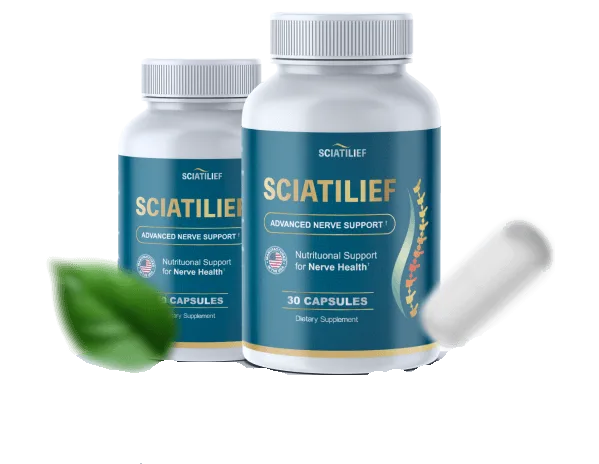
Are you tired of persistent sciatica and nerve pain disrupting your life?
The debilitating discomfort of sciatica and various forms of nerve pain can cast a long shadow over daily activities, making simple movements a challenge and impacting overall quality of life. For many, the search for effective relief often leads to conventional treatments, which while necessary for acute issues, may not always provide the long-term, gentle support desired without unwanted side effects.
In this comprehensive guide, we delve into the world of natural remedies, exploring how specific herbs and botanicals offer a promising pathway to soothing nerve discomfort and reducing inflammation. Discover how nature's pharmacy can support your journey towards greater comfort and mobility.
Understanding Sciatica and Nerve Pain
Before exploring natural solutions, it's vital to grasp the nature of sciatica and nerve pain.
Sciatica refers to pain that radiates along the path of the sciatic nerve, which branches from your lower back through your hips and buttocks and down each leg. It typically affects only one side of your body. Common causes include a herniated disc, spinal stenosis, or piriformis syndrome, all of which can compress or irritate the sciatic nerve, leading to inflammation and discomfort. The symptoms can range from a mild ache to a sharp, burning sensation or excruciating pain, often accompanied by numbness, tingling, or muscle weakness in the affected leg or foot.
Beyond sciatica, various other conditions can lead to nerve pain, medically known as neuropathy. This can be caused by diabetes, infections, autoimmune diseases, vitamin deficiencies, or even certain medications. Regardless of the underlying cause, nerve pain is characterized by a distinct set of sensations – often described as burning, shooting, stabbing, or electric-shock-like pain, along with numbness and tingling. The common thread in many of these conditions is inflammation, which plays a critical role in nerve irritation and damage. Addressing this inflammation is often key to finding relief and promoting nerve healing.
💡 Key Takeaway
Sciatica and nerve pain are often rooted in nerve compression or damage, with inflammation being a primary contributor to discomfort. Understanding these mechanisms is the first step towards effective, natural relief strategies.
The Ancient Wisdom of Botanicals for Modern Ailments
For centuries, traditional medicine systems across the globe have leveraged the healing power of plants to alleviate pain and manage various health conditions. This ancient wisdom, now increasingly backed by modern scientific research, highlights the profound potential of botanicals.
From Ayurvedic practices in India to Traditional Chinese Medicine, herbs have been central to treating inflammatory conditions and pain. These natural remedies often work through complex biochemical pathways, offering a multi-targeted approach that can be gentler on the body than synthetic drugs. Unlike single-molecule pharmaceuticals, botanicals often contain a spectrum of bioactive compounds that work synergistically, enhancing their therapeutic effects and often minimizing side effects. This holistic approach makes them particularly appealing for chronic conditions like sciatica and persistent nerve pain, where long-term management is crucial. The resurgence of interest in these natural solutions reflects a growing desire for sustainable and holistic health practices.
Key Herbal & Botanical Allies for Nerve Health and Pain Relief
Nature offers a powerful arsenal of herbs and botanicals that have demonstrated significant potential in addressing nerve pain and inflammation. Here are some of the most prominent players:
Turmeric (Curcumin)
Derived from the root of the Curcuma longa plant, turmeric is perhaps one of the most well-researched natural anti-inflammatory agents. Its primary active compound, curcumin, has been shown to powerfully inhibit several molecules known to play major roles in inflammation, including NF-kB. For nerve pain, curcumin can reduce inflammation around compressed nerves, potentially alleviating symptoms of sciatica and neuropathy. Its antioxidant properties also protect nerve cells from oxidative damage, supporting overall nerve health. You can learn more about its benefits in our article on Turmeric Curcumin for Nerve Pain Relief.
Alpha-Lipoic Acid (ALA)
Alpha-Lipoic Acid is a potent antioxidant found naturally in the body and in certain foods. It's unique in that it's both water- and fat-soluble, allowing it to work in every cell and tissue. ALA is particularly beneficial for nerve pain, especially diabetic neuropathy, due to its ability to improve nerve function and reduce symptoms like burning, numbness, and tingling. It works by neutralizing free radicals, reducing oxidative stress, and improving blood flow to nerve endings, thereby supporting nerve repair and regeneration.
Acetyl-L-Carnitine (ALC)
Acetyl-L-Carnitine is an amino acid derivative that plays a crucial role in energy production within cells, particularly nerve cells. It has neuroprotective properties and has been studied for its potential to alleviate neuropathic pain and promote nerve regeneration. ALC can help improve nerve signal transmission, reduce pain sensitivity, and support the structural integrity of nerves. It's often recommended for various forms of nerve damage and discomfort, including that associated with sciatica.
B Vitamins (B1, B6, B12)
The B-complex vitamins are essential for proper nerve function and health. Vitamin B1 (Thiamine) is crucial for nerve energy and signal transmission. Vitamin B6 (Pyridoxine) plays a role in neurotransmitter synthesis and myelin formation, the protective sheath around nerves. Vitamin B12 (Cobalamin) is vital for nerve regeneration and maintaining the myelin sheath. Deficiencies in these vitamins, especially B12, can lead to significant nerve damage and pain, making supplementation a key strategy for nerve health and recovery.
Magnesium
While technically a mineral, magnesium is often discussed alongside botanicals due to its critical role in neuromuscular function and pain regulation. Magnesium helps relax muscles, which can be beneficial in cases where muscle spasms contribute to nerve compression, such as in piriformis syndrome. It also plays a role in blocking pain receptors and reducing inflammation. Adequate magnesium levels are essential for healthy nerve transmission and can significantly contribute to alleviating nerve-related discomfort.
Boswellia Serrata
Also known as Indian frankincense, Boswellia serrata is an ancient herbal remedy renowned for its powerful anti-inflammatory properties. The active compounds, boswellic acids, specifically target and inhibit pro-inflammatory enzymes, such as 5-lipoxygenase (5-LOX), without causing the gastrointestinal side effects often associated with conventional anti-inflammatory drugs. For sciatica and nerve pain, Boswellia can help reduce swelling around affected nerves, thereby lessening pressure and alleviating pain.
White Willow Bark
Often referred to as "nature's aspirin," white willow bark contains salicin, a compound similar to the active ingredient in aspirin. It has been used for centuries to relieve pain and reduce fever and inflammation. Salicin is metabolized in the body into salicylic acid, which provides its analgesic and anti-inflammatory effects. It can be particularly effective for musculoskeletal pain, including the deep aches associated with sciatica, offering a more natural alternative to synthetic pain relievers.
Feverfew
Feverfew is a traditional herbal remedy primarily known for its use in treating migraines, but its anti-inflammatory properties extend to other pain conditions. Its active compounds, particularly parthenolides, help inhibit the release of inflammatory substances and may also have antispasmodic effects, which can be beneficial in reducing muscle tension that might contribute to nerve compression. Its broad-spectrum anti-inflammatory action makes it a valuable addition to natural pain relief strategies.
Passionflower & Oat Straw
These two botanicals are often prized for their calming and nervine properties. Passionflower (Passiflora incarnata) is traditionally used to reduce anxiety, promote relaxation, and alleviate nerve pain by influencing GABA receptors in the brain. Oat Straw (Avena sativa) is considered a nerve tonic, helping to nourish and strengthen the nervous system, potentially improving its resilience to stress and pain. Together, they can help soothe an overactive nervous system and reduce the perception of pain.
Skullcap
Skullcap (Scutellaria lateriflora) is another powerful nervine herb, traditionally used to calm the nervous system, reduce anxiety, and relieve muscle spasms and nervous tension. Its anti-inflammatory and antispasmodic effects can be particularly helpful for nerve pain that is exacerbated by muscle tightness or stress. By promoting relaxation, skullcap can indirectly help reduce pressure on nerves and alleviate associated discomfort.
Synergistic Power: The Benefit of Comprehensive Formulas
While individual herbs offer significant benefits, the true power often lies in their synergistic combination.
Many traditional healing systems, and increasingly modern supplement formulations, recognize that a blend of complementary ingredients can provide more comprehensive and effective relief than any single compound alone. This is because different botanicals and nutrients often target distinct aspects of nerve pain and inflammation. For instance, one ingredient might focus on reducing inflammation, another on supporting nerve regeneration, and yet another on modulating pain signals or relaxing tight muscles. When combined, these ingredients can create a powerful, multi-faceted approach to healing and pain management. This synergistic effect can lead to enhanced efficacy, broader relief, and often, a reduction in the required dosage of any single ingredient, potentially minimizing side effects. It’s about creating a holistic environment for the body to heal and thrive, rather than just masking symptoms.
Choosing Quality and Safety in Botanical Supplements
The effectiveness and safety of botanical supplements hinge significantly on their quality and your informed choices.
When considering natural remedies for nerve pain, it's paramount to select products from reputable manufacturers. Look for supplements that adhere to Good Manufacturing Practices (GMP), ensuring purity, potency, and consistent quality. Third-party testing can further verify that products are free from contaminants and contain the advertised ingredients at correct dosages. Always read labels carefully, pay attention to potential allergens, and be mindful of recommended dosages. It’s also crucial to discuss any new supplement regimen with your healthcare provider, especially if you have existing medical conditions or are taking other medications. Some herbs can interact with pharmaceuticals, and a medical professional can help you navigate these potential interactions safely. Prioritizing quality and open communication with your doctor ensures that you harness the benefits of botanicals responsibly and effectively for conditions like sciatica and nerve pain, and even specific situations like piriformis syndrome supplement support.
Introducing SciatiLief: A Holistic Approach to Nerve Support
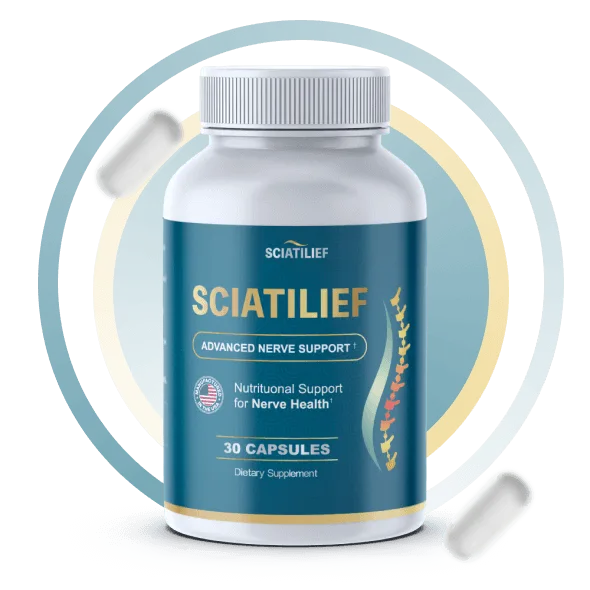
Recognizing the powerful synergy of natural ingredients, SciatiLief has been formulated to provide comprehensive support for sciatica and nerve pain.
SciatiLief combines several of the potent herbs and nutrients discussed, specifically chosen for their scientifically-backed ability to target inflammation, support nerve health, and alleviate discomfort. It represents a natural, non-addictive approach to managing chronic nerve pain, focusing on addressing the root causes rather than just masking symptoms. The formulation is designed to deliver these beneficial compounds in optimal dosages, aiming to reduce nerve inflammation, promote nerve repair, and improve overall neurological function. With ingredients like Alpha-Lipoic Acid, Turmeric, and B Vitamins, SciatiLief offers a convenient way to integrate nature's most effective pain-relieving botanicals into your daily routine, providing a pathway to lasting comfort and improved mobility. This carefully crafted blend is particularly relevant for those seeking effective support for conditions like sciatica leg pain.
Key Ingredients in SciatiLief for Nerve Pain Relief
SciatiLief's advanced formula harnesses a blend of potent botanicals and nutrients, each playing a crucial role in supporting nerve health and alleviating discomfort. Here are some of its core components:
Alpha-Lipoic Acid (ALA)
A powerful antioxidant that is both water and fat-soluble, enabling it to work throughout the body. ALA is critical for reducing oxidative stress and inflammation around nerve tissues, improving nerve conduction velocity, and alleviating neuropathic symptoms like burning, tingling, and numbness. It supports nerve cell repair and regeneration.
Turmeric (Curcumin)
The active compound curcumin in turmeric is a renowned anti-inflammatory agent. It helps to inhibit key inflammatory pathways, reducing swelling and pressure on irritated nerves. Its potent antioxidant properties also protect nerve cells from damage, contributing to long-term nerve health and pain reduction.
Acetyl-L-Carnitine (ALC)
An amino acid derivative essential for cellular energy production, especially in nerve cells. ALC has neuroprotective effects, supporting nerve fiber regeneration and improving nerve signal transmission. It can significantly reduce neuropathic pain and promote the healing of damaged nerves.
B Vitamins (B1, B6, B12)
These essential vitamins are fundamental for nervous system function. Vitamin B1 (Thiamine) aids nerve energy metabolism, B6 (Pyridoxine) supports neurotransmitter synthesis and myelin sheath integrity, and B12 (Cobalamin) is vital for nerve regeneration and protection. Deficiencies can exacerbate nerve pain, making their inclusion crucial.
Magnesium
A vital mineral involved in over 300 enzymatic reactions, including muscle and nerve function. Magnesium helps relax muscles, reducing spasms that can compress nerves, and plays a role in modulating pain signals. It also contributes to reducing inflammation and improving overall nerve communication.
Boswellia Serrata Extract
Known for its powerful anti-inflammatory boswellic acids, this botanical specifically targets inflammatory enzymes without gastrointestinal side effects. It effectively reduces swelling around compressed nerves, thereby alleviating pressure and associated pain in conditions like sciatica.
White Willow Bark
Containing salicin, a natural precursor to aspirin, white willow bark offers potent analgesic and anti-inflammatory effects. It helps to reduce general pain and inflammation throughout the body, providing a gentler, natural alternative for chronic pain relief without harsh side effects.
Feverfew
Traditionally used for migraines, feverfew's active compounds, parthenolides, are effective in inhibiting the release of inflammatory substances. It also possesses antispasmodic properties, which can help relax muscles and reduce tension contributing to nerve pain.
Passionflower & Oat Straw
These nervine herbs work synergistically to calm the nervous system. Passionflower influences GABA receptors to reduce anxiety and nerve sensitivity, while Oat Straw acts as a nerve tonic, nourishing and strengthening nerve fibers, promoting overall neurological resilience and easing discomfort.
Skullcap
A powerful herb known for its ability to soothe nervous tension, alleviate muscle spasms, and promote relaxation. Skullcap's anti-inflammatory and antispasmodic properties are beneficial for nerve pain exacerbated by stress or muscle tightness, helping to reduce pressure on irritated nerves.
Beyond Supplements: Lifestyle for Optimal Nerve Health
While botanical supplements offer significant support, integrating them with healthy lifestyle choices amplifies their benefits for nerve health.
Adopting a holistic approach can dramatically improve your quality of life when dealing with sciatica and nerve pain. Regular, gentle exercise, such as walking, swimming, or specific stretches for the lower back and legs, can help strengthen supporting muscles, improve flexibility, and reduce nerve compression. Maintaining a healthy weight lessens the strain on your spine and sciatic nerve. Practicing good posture, especially when sitting for long periods, is also crucial. Additionally, a diet rich in anti-inflammatory foods – fruits, vegetables, lean proteins, and healthy fats – can support overall health and reduce systemic inflammation. Incorporating stress reduction techniques like meditation, deep breathing, or yoga, and ensuring adequate sleep, further contributes to nerve healing and pain management. These combined strategies create a powerful foundation for long-term relief and well-being.
When to Seek Professional Medical Advice
While natural remedies can be highly effective, they are complementary to, not a replacement for, professional medical care.
It is crucial to consult a healthcare provider if you experience severe pain, sudden onset of numbness or weakness in your leg, bowel or bladder dysfunction, or if your symptoms worsen despite using natural remedies. These could be signs of a more serious underlying condition requiring immediate medical attention. A doctor can accurately diagnose the cause of your sciatica or nerve pain, rule out other conditions, and recommend the most appropriate course of treatment, including whether botanical supplements are suitable for your specific situation. Always inform your physician about any supplements you are taking to ensure there are no potential interactions with prescribed medications or treatments. Your health and safety are paramount.

Unlock Lasting Relief with SciatiLief's Advanced Botanical Formula
Don't let sciatica and nerve pain dictate your life any longer. SciatiLief offers a meticulously crafted blend of scientifically-backed herbs and nutrients designed to target the root causes of discomfort, reduce inflammation, and support nerve regeneration. Reclaim your mobility and live pain-free.
- ✓ All-natural, non-addictive formula
- ✓ Manufactured in a GMP-certified facility
- ✓ Backed by a 60-day money-back guarantee
- ✓ Non-GMO, soy-free, and gluten-free
- ✓ Made with pride in the USA




Hear From Our Satisfied Customers
"SciatiLief has been a game-changer for my chronic leg pain. I was skeptical about natural remedies, but after a few weeks, the burning sensation and tingling have significantly reduced. I'm finally getting a full night's sleep!"
"For years, I've struggled with sciatica that made even walking difficult. SciatiLief was recommended by a friend, and I'm so glad I tried it. The pain relief is noticeable, and I feel more flexible. Highly recommend it to anyone suffering."
"I've tried numerous supplements for my nerve pain, but SciatiLief stands out. The combination of ingredients seems to work synergistically. My numbness has improved, and I feel a general sense of calm in my nervous system. Excellent product!"
Frequently Asked Questions
What causes sciatica and nerve pain?
+Sciatica typically results from compression or irritation of the sciatic nerve, which runs from the lower back down each leg. Common causes include a herniated disc, spinal stenosis, piriformis syndrome, or injury. Nerve pain, or neuropathy, can also stem from diabetes, infections, autoimmune diseases, or nutrient deficiencies, leading to symptoms like tingling, numbness, burning, and sharp pain.
How do herbs and botanicals help with nerve pain?
+Many herbs and botanicals possess natural anti-inflammatory, analgesic (pain-relieving), and neuroprotective properties. They can help reduce inflammation around the nerve, modulate pain signals, improve blood flow to nerve tissues, and support nerve regeneration. Ingredients like turmeric, alpha-lipoic acid, and B vitamins are well-regarded for these effects, offering a gentler approach compared to some pharmaceutical options.
Are natural remedies safe for sciatica?
+When used appropriately and from reputable sources, many natural remedies are generally safe for managing sciatica and nerve pain. However, it's crucial to consult with a healthcare professional before starting any new supplement, especially if you have underlying health conditions, are pregnant or breastfeeding, or are taking other medications. Some herbs can interact with drugs or have side effects if not used correctly. Quality and purity of supplements are also paramount.
Can SciatiLief replace my prescribed pain medication?
+SciatiLief is designed as a dietary supplement to support nerve health and help alleviate discomfort associated with sciatica and nerve pain, using a blend of natural ingredients. It is not intended to replace prescription medication. Always consult your doctor before making any changes to your medication regimen. SciatiLief can be a valuable complementary approach, but medical guidance is essential for managing chronic conditions.
How long does it take to see results with botanical supplements?
+The time it takes to experience benefits from botanical supplements can vary widely among individuals, depending on the severity of the condition, individual metabolism, and consistency of use. While some people may notice improvements within a few weeks, it often takes consistent use over several weeks to a few months to fully appreciate the cumulative effects of natural ingredients. Patience and consistency are key.
What other lifestyle changes can support nerve health?
+Complementing botanical supplements with healthy lifestyle choices can significantly enhance nerve health and pain management. Regular, gentle exercise (like walking, swimming, or yoga), maintaining a healthy weight, practicing good posture, using proper lifting techniques, and incorporating anti-inflammatory foods into your diet are all beneficial. Stress reduction techniques and adequate sleep also play a crucial role in overall well-being and pain management.
Related Articles