Tired of Constant Sciatica Pain? Could Your Diet Be the Missing Piece in Your Relief Strategy?
Sciatica, characterized by debilitating pain radiating along the sciatic nerve, affects millions globally. This discomfort, often accompanied by tingling, numbness, or weakness in the leg, can severely impact daily life, making simple tasks feel monumental. While various factors contribute to sciatica, from herniated discs to piriformis syndrome, one often overlooked yet powerful contributor is inflammation.
Understanding the role of systemic inflammation is crucial for effective management. Many conventional treatments focus on symptom relief, but addressing the root cause can lead to more sustainable comfort. This comprehensive guide will explore how adopting a well-structured anti-inflammatory diet plan can be a cornerstone of your strategy for alleviating sciatica and chronic nerve pain.
Understanding Sciatica and the Inflammatory Connection
Before diving into dietary specifics, it's essential to grasp how inflammation contributes to sciatica and nerve pain.
Sciatica isn't a condition itself, but rather a symptom of an underlying problem affecting the sciatic nerve, the longest and thickest nerve in the body. This nerve originates in the lower back, branches through the hips and buttocks, and extends down each leg. When compressed or irritated, it can lead to the characteristic pain, numbness, and weakness. Common causes include herniated or bulging discs, bone spurs, spinal stenosis, or, less commonly, conditions like piriformis syndrome.
Regardless of the root mechanical issue, inflammation often plays a significant role in exacerbating the pain. When tissues surrounding the sciatic nerve become inflamed, they can swell and further compress the nerve, intensifying symptoms. This inflammation can be a localized response to injury or irritation, but it can also be part of a broader systemic inflammatory state within the body. Chronic, low-grade systemic inflammation is often influenced by lifestyle factors, with diet being a primary driver.
Think of inflammation as a double-edged sword. Acute inflammation is a vital part of the body's healing process, rushing immune cells to an injured area. However, when inflammation becomes chronic, it can be destructive, leading to tissue damage and persistent pain. For sciatica sufferers, reducing this chronic inflammation is key to finding lasting relief and improving nerve function. This is where the power of an anti-inflammatory diet comes into play, offering a natural and sustainable way to support your body's healing processes from within.
💡 Key Takeaway
Chronic inflammation, often fueled by poor dietary choices, significantly worsens sciatica pain by increasing pressure and irritation on the sciatic nerve. Adopting an anti-inflammatory diet can help reduce this systemic inflammation, offering a foundational approach to managing and alleviating symptoms.
The Power of an Anti-Inflammatory Diet: Your Body's Natural Defense
An anti-inflammatory diet isn't just about avoiding certain foods; it's about embracing a lifestyle of eating that actively supports your body's ability to heal and reduce inflammation at a cellular level.
The foods we consume have a profound impact on our internal environment. Some foods can trigger inflammatory responses, while others contain powerful compounds that actively fight inflammation. For individuals dealing with sciatica, shifting towards an anti-inflammatory eating pattern can yield remarkable benefits beyond just pain relief, including improved overall health, better energy levels, and enhanced mood. This dietary approach focuses on whole, unprocessed foods rich in antioxidants, healthy fats, and fiber, which work synergistically to calm inflammatory pathways and protect nerve health. By consistently providing your body with these nourishing elements, you empower it to reduce swelling around the sciatic nerve, promote tissue repair, and ultimately diminish the intensity and frequency of your pain episodes.
This isn't about restrictive diets or deprivation; it's about making informed choices that prioritize your well-being. It's about understanding that every meal is an opportunity to either fuel inflammation or soothe it. When you commit to an anti-inflammatory diet, you're not just managing sciatica; you're investing in a healthier, more vibrant future. The benefits extend to cardiovascular health, cognitive function, and even disease prevention, making it a holistic approach to wellness that goes far beyond just nerve pain.
Key Principles of Anti-Inflammatory Eating for Nerve Health
Focus on Whole, Unprocessed Foods
Prioritize foods in their natural state: fresh fruits, vegetables, whole grains, lean proteins, and healthy fats. These foods retain their full spectrum of vitamins, minerals, and phytonutrients crucial for fighting inflammation and supporting overall cellular health.
Embrace Healthy Fats
Incorporate sources of Omega-3 fatty acids (fatty fish, flaxseed) and monounsaturated fats (olive oil, avocados). These fats are powerful anti-inflammatory agents that help reduce systemic inflammation and support nerve membrane integrity.
Prioritize Antioxidants
Antioxidants combat oxidative stress, a key contributor to inflammation and nerve damage. Load up on colorful fruits and vegetables, which are rich in various antioxidants like Vitamin C, Vitamin E, carotenoids, and flavonoids.
Mind Your Gut Health
A healthy gut microbiome is strongly linked to reduced inflammation. Consume fermented foods (yogurt, kefir, sauerkraut) and plenty of fiber-rich plant foods to foster a balanced gut environment, which in turn can positively influence systemic inflammation.
Stay Hydrated
Water is essential for nearly every bodily function, including nutrient transport and waste elimination. Adequate hydration helps maintain joint lubrication, supports spinal disc health, and flushes out inflammatory byproducts, contributing to overall pain management.
Utilize Anti-Inflammatory Herbs & Spices
Integrate potent anti-inflammatory agents like turmeric, ginger, garlic, and cayenne pepper into your cooking. These natural ingredients have been used for centuries for their medicinal properties and can significantly enhance your diet's anti-inflammatory power.
Foods to Embrace for Sciatica Relief
Filling your plate with these nutrient-dense foods can significantly impact your body's inflammatory response and promote nerve healing.
1. Omega-3 Rich Foods
Omega-3 fatty acids are renowned for their potent anti-inflammatory properties. They help to reduce the production of inflammatory compounds in the body, which can be particularly beneficial for calming irritated nerve tissue. Incorporating these into your diet regularly can make a noticeable difference.
- Fatty Fish: Salmon, mackerel, sardines, herring, and anchovies are excellent sources. Aim for at least two servings per week.
- Flaxseeds and Chia Seeds: These plant-based powerhouses are rich in alpha-linolenic acid (ALA), a type of omega-3. Sprinkle them on salads, yogurt, or blend into smoothies.
- Walnuts: A handful of walnuts makes a great snack and provides a good dose of ALA.
2. Abundant Fruits and Vegetables
Fruits and vegetables are packed with vitamins, minerals, and antioxidants that protect cells from damage and reduce inflammation. The more colorful your plate, the more diverse the antioxidants you're consuming.
- Berries: Blueberries, strawberries, raspberries, and cherries are loaded with anthocyanins, powerful anti-inflammatory antioxidants.
- Leafy Green Vegetables: Spinach, kale, collard greens, and Swiss chard are rich in vitamins K and A, which play crucial roles in regulating inflammatory processes.
- Cruciferous Vegetables: Broccoli, cauliflower, Brussels sprouts, and cabbage contain compounds that help detoxify the body and fight inflammation.
- Colorful Produce: Bell peppers (especially red and yellow), tomatoes, and sweet potatoes offer a spectrum of carotenoids and Vitamin C, both vital for immune function and reducing oxidative stress.
3. Whole Grains
Unlike refined grains, whole grains retain their fiber, B vitamins, and minerals, which are important for metabolic health and reducing systemic inflammation. Fiber also supports gut health, another critical factor in managing inflammation.
- Oats: A fantastic breakfast option, rich in soluble fiber.
- Quinoa: A complete protein and gluten-free grain, versatile for meals.
- Brown Rice: A healthier alternative to white rice, providing sustained energy.
- Barley and Farro: Excellent sources of fiber and nutrients.
4. Legumes
Beans, lentils, and chickpeas are nutritional powerhouses, offering plant-based protein, fiber, and a wide array of minerals. Their high fiber content is particularly beneficial for gut health, which has a direct link to the body's inflammatory state.
- Black Beans, Kidney Beans, and Lentils: Great for soups, stews, and salads.
- Chickpeas: Versatile for hummus, roasted snacks, or added to curries.
5. Nuts and Seeds
Beyond omega-3s, many nuts and seeds provide healthy fats, fiber, and magnesium, a mineral crucial for nerve function and muscle relaxation. Magnesium deficiency can sometimes exacerbate nerve pain and muscle spasms.
- Almonds: Rich in Vitamin E and magnesium.
- Pumpkin Seeds: High in magnesium and zinc.
- Sunflower Seeds: Good source of Vitamin E.
- Pistachios: Offer a good balance of protein and healthy fats.
6. Herbs and Spices
Don't underestimate the power of your spice rack! Many herbs and spices contain concentrated compounds with potent anti-inflammatory effects.
- Turmeric: Contains curcumin, a well-researched anti-inflammatory compound. Often used in traditional medicine for pain relief.
- Ginger: Known for its anti-inflammatory and pain-relieving properties, similar to NSAIDs but without the side effects.
- Garlic and Onions: Rich in sulfur compounds that help reduce inflammation.
- Cinnamon: Has antioxidant and anti-inflammatory benefits.
- Cayenne Pepper: Contains capsaicin, which can help reduce pain perception.
7. Healthy Oils
Choosing the right cooking oils is fundamental to an anti-inflammatory diet. Avoid highly processed vegetable oils high in omega-6s, and opt for these instead.
- Extra Virgin Olive Oil: A cornerstone of the Mediterranean diet, rich in monounsaturated fats and polyphenols with strong anti-inflammatory effects.
- Avocado Oil: Similar to olive oil, it's high in monounsaturated fats and has a high smoke point, making it suitable for cooking.
Foods to Limit or Avoid for Sciatica Sufferers
Just as certain foods promote healing, others can actively trigger and perpetuate inflammation, making your sciatica worse. Reducing or eliminating these can be as crucial as adding beneficial foods.
1. Processed Foods and Refined Sugars
These are perhaps the biggest culprits in driving systemic inflammation. Foods like sugary drinks, candies, pastries, fast food, and many packaged snacks cause rapid spikes in blood sugar, leading to increased inflammatory markers in the body. They often contain artificial additives, unhealthy fats, and refined carbohydrates that offer little to no nutritional value while actively contributing to pain.
- Sugary Beverages: Sodas, fruit juices with added sugar, energy drinks.
- Baked Goods: Cakes, cookies, donuts, pastries.
- Processed Snacks: Chips, crackers, most breakfast cereals.
- Candies and Desserts: High in refined sugars and often artificial ingredients.
2. Unhealthy Fats (Trans Fats and Excessive Saturated Fats)
Not all fats are created equal. While healthy fats are anti-inflammatory, trans fats and an excess of saturated fats can significantly increase inflammation. Trans fats, often found in partially hydrogenated oils, are particularly detrimental to cardiovascular health and inflammation.
- Trans Fats: Found in fried foods, some fast food, commercial baked goods, and certain margarines. Always check ingredient labels for "partially hydrogenated oil."
- Excessive Saturated Fats: Primarily from red meat, processed meats, full-fat dairy, and tropical oils like palm and coconut oil (though coconut oil has some benefits, moderation is key due to its high saturated fat content).
3. Refined Grains
White bread, white pasta, white rice, and other refined grain products have had their bran and germ removed, stripping them of fiber, vitamins, and minerals. This leaves them as quickly digestible carbohydrates that can spike blood sugar and promote inflammation, similar to refined sugars.
- White Bread and Pastries: Opt for whole-grain alternatives.
- White Rice: Switch to brown rice, quinoa, or other whole grains.
- Most Packaged Cereals: Many are high in refined grains and sugar.
4. Red and Processed Meats (in Excess)
While lean protein is essential, excessive consumption of red meat, especially processed varieties like bacon, sausages, and deli meats, can contribute to inflammation. These often contain high levels of saturated fat and other compounds that can trigger inflammatory responses.
- Processed Meats: Bacon, sausage, hot dogs, deli meats.
- High-Fat Red Meats: Limit consumption and choose leaner cuts if consumed.
5. Alcohol
While moderate alcohol consumption might have some benefits for certain conditions, excessive alcohol intake is a known inflammatory trigger. It can disrupt gut health, impair liver function, and increase systemic inflammation, potentially worsening nerve pain.
- Heavy Drinking: Can lead to widespread inflammation.
- Moderation is Key: If you drink, do so in moderation (one drink per day for women, two for men) or consider abstaining if you notice it exacerbates your symptoms.
Beyond Diet: Lifestyle Factors for Holistic Sciatica Relief
While diet is a powerful tool, a holistic approach to sciatica relief integrates several key lifestyle factors that work in synergy with your nutritional choices.
1. Regular, Gentle Movement
Sedentary lifestyles can worsen sciatica. Regular, gentle exercise helps strengthen core muscles, improve flexibility, and increase blood flow to the affected area, which aids in nutrient delivery and waste removal. Activities like walking, swimming, yoga, and specific stretching exercises recommended by a physical therapist can be highly beneficial. It’s crucial to listen to your body and avoid movements that aggravate your pain. Consistency, even for short durations, is more important than intense, infrequent workouts. Proper posture, both sitting and standing, also plays a pivotal role in preventing nerve compression.
2. Stress Management
Stress isn't just a mental state; it has profound physical effects. Chronic stress can elevate cortisol levels, a hormone that, in excess, can promote inflammation and increase muscle tension, potentially exacerbating sciatica pain. Implementing stress-reduction techniques such as meditation, deep breathing exercises, mindfulness, spending time in nature, or engaging in hobbies can help calm your nervous system and reduce your body's inflammatory response. Finding healthy outlets for stress is a crucial component of any pain management strategy.
3. Adequate Sleep
Sleep is when your body repairs and regenerates. Poor sleep quality or insufficient sleep can disrupt hormonal balance, increase inflammation, and lower your pain threshold. Aim for 7-9 hours of quality sleep per night. Establishing a consistent sleep schedule, creating a dark and quiet sleep environment, and avoiding screens before bed can significantly improve your sleep hygiene. When your body is well-rested, it's better equipped to manage pain and inflammation, supporting the healing process.
Targeted Nutritional Support: Complementing Your Diet for Nerve Health
While an anti-inflammatory diet forms the foundation, specific nutrients can provide additional targeted support for nerve health and pain management. These can act synergistically with dietary changes to enhance relief.
Alpha Lipoic Acid (ALA)
Role: A powerful antioxidant that supports nerve function and helps reduce nerve pain. It is particularly effective in combating oxidative stress and improving blood flow to nerves, which is vital for healing. Studies suggest ALA can significantly reduce symptoms of neuropathic pain. Learn more about Alpha Lipoic Acid for nerve pain.
Typical Dose: 300-600 mg/dayTurmeric (Curcumin)
Role: The active compound curcumin in turmeric is a well-known anti-inflammatory agent. It works by inhibiting various inflammatory pathways in the body, offering natural pain relief comparable to some over-the-counter medications, but without the side effects. It's excellent for reducing systemic inflammation that contributes to sciatica.
Typical Dose: 500-1000 mg/day (with piperine for absorption)B Vitamins (B1, B6, B12)
Role: Essential for nerve health and function. B vitamins play critical roles in nerve regeneration, myelin sheath maintenance, and neurotransmitter production. Deficiencies can exacerbate nerve pain and damage. B12, in particular, is vital for maintaining healthy nerve cells.
Typical Dose: Varies by vitamin, usually part of a B-complexMagnesium
Role: An essential mineral involved in over 300 biochemical reactions, including muscle and nerve function. Magnesium helps relax muscles, reduce nerve excitability, and alleviate muscle spasms that can contribute to sciatica. It also has anti-inflammatory properties.
Typical Dose: 200-400 mg/dayBoswellia Serrata
Role: An ancient herbal extract known for its powerful anti-inflammatory effects. It works by inhibiting specific enzymes that produce inflammatory molecules, making it effective for reducing pain and swelling, particularly in conditions involving joint and nerve inflammation.
Typical Dose: 300-500 mg (standardized extract)Ginger Root
Role: Similar to turmeric, ginger possesses strong anti-inflammatory and analgesic properties. It can help reduce pain and inflammation associated with sciatica, acting as a natural pain reliever and digestive aid. It complements other anti-inflammatory compounds.
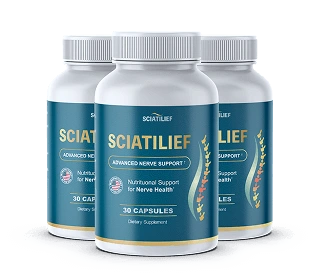
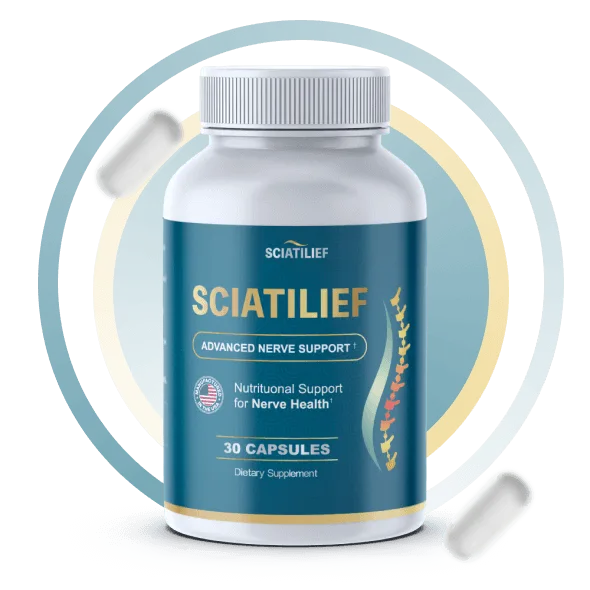
Typical Dose: 500-1000 mg/dayFor many, combining a targeted supplement like SciatiLief with an anti-inflammatory diet provides a comprehensive strategy. SciatiLief is formulated with a synergistic blend of ingredients, including Alpha Lipoic Acid, Turmeric, B Vitamins, and other potent compounds, specifically chosen for their ability to support nerve health, reduce inflammation, and alleviate the discomfort associated with sciatica and nerve pain. It's designed to complement your dietary efforts, offering concentrated support where your diet might need an extra boost.
Experience the Difference: Support Your Nerve Health with SciatiLief
While diet lays the groundwork, SciatiLief offers advanced, targeted nutritional support to help you manage sciatica and nerve pain more effectively. Our unique formula is crafted with scientifically-backed ingredients known for their anti-inflammatory and neuroprotective properties.
- ✓ Supports healthy nerve function
- ✓ Helps reduce inflammation and discomfort
- ✓ Formulated with natural, potent ingredients
- ✓ Designed for daily use and long-term relief
- ✓ Backed by a 60-day money-back guarantee




Implementing Your Anti-Inflammatory Diet Plan: Practical Steps
Transitioning to a new eating style can seem daunting, but by taking gradual, consistent steps, you can successfully integrate an anti-inflammatory diet into your life.
Start Small and Gradually
Don't try to overhaul your entire diet overnight. Begin by making one or two changes each week. For example, swap your sugary breakfast cereal for oatmeal with berries, or replace processed snacks with a handful of nuts. Gradual changes are easier to sustain and allow your body to adjust.
Meal Planning and Preparation
Planning your meals in advance can prevent impulsive, unhealthy food choices. Dedicate some time each week to plan your meals, create a shopping list, and even do some batch cooking. Having healthy options readily available makes it much easier to stick to your anti-inflammatory goals.
Read Food Labels Carefully
Become a detective when you shop. Look for hidden sugars, unhealthy trans fats (partially hydrogenated oils), and excessive sodium in packaged foods. Opt for products with shorter ingredient lists and recognizable, whole-food ingredients. This empowers you to make informed choices.
Hydrate Consistently
Make water your primary beverage. Keep a water bottle handy throughout the day and aim to drink at least 8 glasses of filtered water. Proper hydration is vital for cellular function, nutrient absorption, and flushing out inflammatory toxins, directly supporting nerve health.
Listen to Your Body and Be Patient
Pay attention to how different foods make you feel. Keep a food diary to identify any potential triggers or foods that seem to worsen your sciatica symptoms. Remember that dietary changes take time to manifest results, so be patient and consistent with your efforts.
Seek Professional Guidance
Consider consulting a registered dietitian or a healthcare professional who specializes in nutrition. They can provide personalized advice, help you identify specific dietary needs, and ensure your anti-inflammatory diet plan is balanced and appropriate for your individual health profile.
What Our Customers Say About SciatiLief
"I've struggled with sciatica for years, and while diet helped, SciatiLief has been the missing piece. The constant ache is finally manageable, and I feel more energetic. Highly recommend this supplement!"
"After trying countless remedies, SciatiLief combined with my healthier eating habits has truly made a difference. My nerve pain has significantly decreased, allowing me to enjoy walks with my dog again. Thank you!"
"I was skeptical, but the reviews convinced me. SciatiLief, along with cutting out processed foods, has been a game-changer for my sciatic pain. I wake up with less stiffness and more mobility. Fantastic product!"
Frequently Asked Questions
What is the primary link between diet and sciatica pain?
+The primary link is inflammation. Many cases of sciatica are exacerbated by inflammation around the sciatic nerve. Certain foods can either promote or reduce systemic inflammation, directly impacting the severity and frequency of sciatica pain.
Which foods are most important to avoid for sciatica sufferers?
+Foods that are highly processed, rich in refined sugars, unhealthy fats (trans fats, excessive saturated fats), and refined carbohydrates are major contributors to inflammation. Limiting these can significantly help manage sciatica symptoms.
Can an anti-inflammatory diet completely cure sciatica?
+While an anti-inflammatory diet can significantly reduce inflammation and alleviate sciatica symptoms, it's not a standalone cure for all causes of sciatica. It's a powerful supportive therapy that should be part of a broader treatment plan, which may include physical therapy, medication, and other interventions as advised by a healthcare professional.
How long does it take to see results from an anti-inflammatory diet for sciatica?
+Results can vary widely among individuals. Some people may notice improvements in a few weeks, while for others, it might take a couple of months of consistent adherence. The key is consistency and combining diet with other recommended therapies.
Are there any supplements that can complement an anti-inflammatory diet for sciatica?
+Yes, several supplements are known for their anti-inflammatory and nerve-supportive properties, such as Omega-3 fatty acids, Turmeric, Alpha Lipoic Acid, and B vitamins. Products like SciatiLief are formulated with a blend of such ingredients to offer targeted support alongside dietary changes. Always consult a healthcare provider before starting any new supplement.
Is an anti-inflammatory diet safe for everyone?
+Generally, an anti-inflammatory diet rich in whole, unprocessed foods is safe and beneficial for most people. However, individuals with specific health conditions, allergies, or those taking certain medications should consult their doctor or a registered dietitian before making significant dietary changes. For example, some anti-inflammatory foods might interact with blood thinners.
Related Articles to Support Your Nerve Health